• Study links periodic mass extinctions to “Planet X”

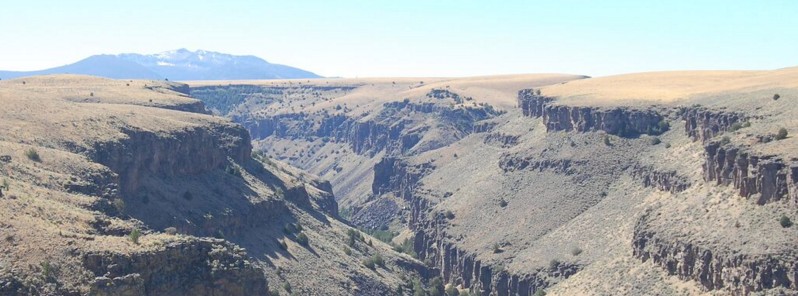
    According to research published by a faculty member of the University of Arkansas Department of Mathematical Sciences, Daniel Whitmire, periodic mass extinctions on Earth, as indicated in the global fossil record, could be linked to a suspected ninth planet. …


  • 1.4 billion people face severe risks in South Asia

    According to research released this week by risk analysis and research company Verisk Maplecroft, 1.4 billion people in South Asia, 81% of the region’s population, are acutely exposed to at least one type of natural hazard and live in areas considered to have…

  • Earth’s moon wandered off axis billions of years ago

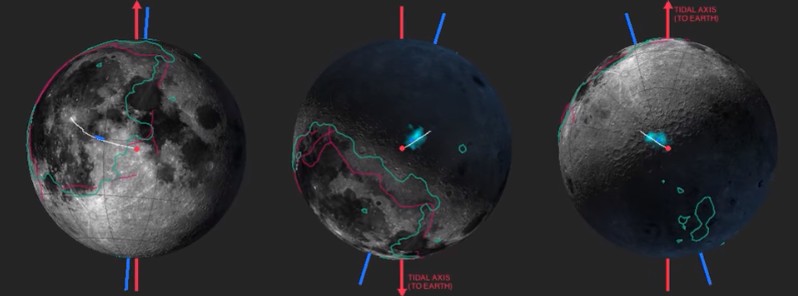
    Planetary scientist Matt Siegler at Southern Methodist University, Dallas, and colleagues discovered that Earth's moon slowly moved from its original axis roughly 3 billion years ago. The move would be as if Earth's axis relocated from Antarctica to…

  • Using supercomputers to predict severe tornadoes and large hail storms

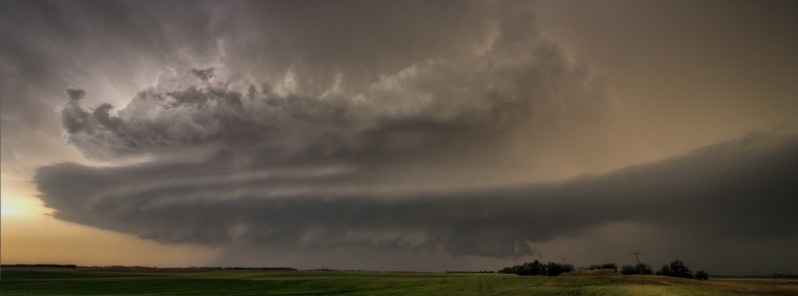
    A team of scientists based at the University of Oklahoma (OU) is using supercomputers to learn and predict how the biggest, most severe tornadoes and large hail form. When a hail storm moved through Fort Worth, Texas on May 5, 1995, it battered the highly populated…

  • Previously unknown, massive source of methanol identified

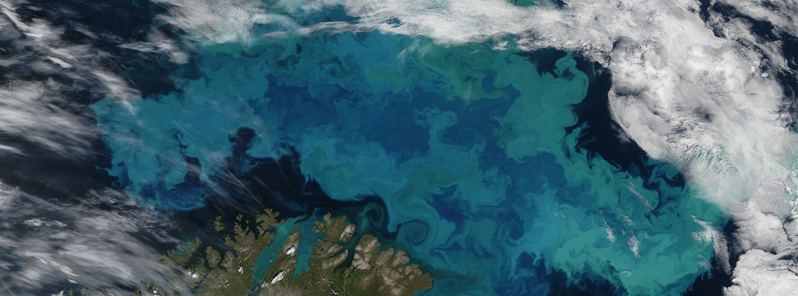
    A team of scientists from the Woods Hole Oceanographic Institution (WHOI) have identified the massive, previously unknown source of methanol in the ocean. According to the study, the phytoplankton, microscopic plant-like organisms, possess a surprising and unique…

  • Assessment of New Zealand southern right whale decline

    The New Zealand southern right whale (Eubalaena australis) was particularly exploited in the nineteenth century when demand was high for oil extracted from its blubber. They were killed on the high seas and especially in sheltered bays where females were vulnerable…

  • 2013/14 winter season in Europe most energetic since 1948

    A new study, encompassing the modelled and measured data sets from Scotland, Ireland, England, France, Portugal, Spain and Morocco, show that the extreme weather conditions which occurred during the 2013/14 winter season, were the most energetic since at least 1948….

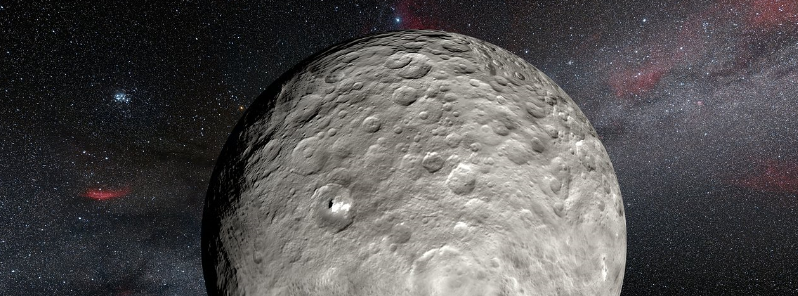
  • Bright spots of Ceres reveal unexpected changes

    New observations of the dwarf planet Ceres, made by the HARPS spectrograph at ESO's La Silla Observatory in Chile show its bright spots become brighter during the day and show other variations, not only those changes related to planet's rotation. The results…