• Night sky guide for February 2015

    The period of February through March is not known meteor activity, however, the fireball season starts this month and will last until April. The best fireball activity occurs during the early evening hours so watch out for those bright balls of fire.There are only a cou

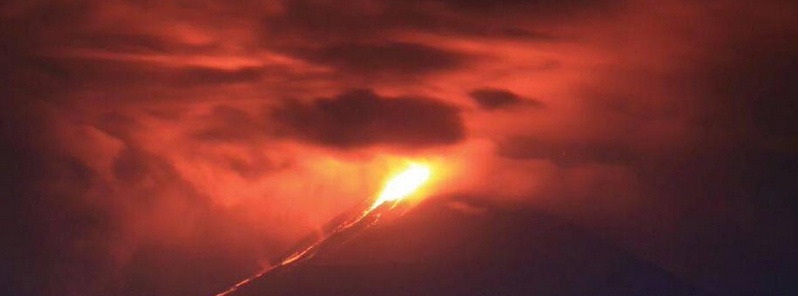
  • Intense explosions at Sakurajima, Japan

    Intense explosions accompanied by volcanic ash which is falling on nearby communities are continually observed at Japanese Sakurajima volcano.The Tokyo VAAC reported an explosion at 03:38 UTC today sent volcanic ash up to 2.7 km. Explosion at 09:41 UTC sent ash up 3 km.

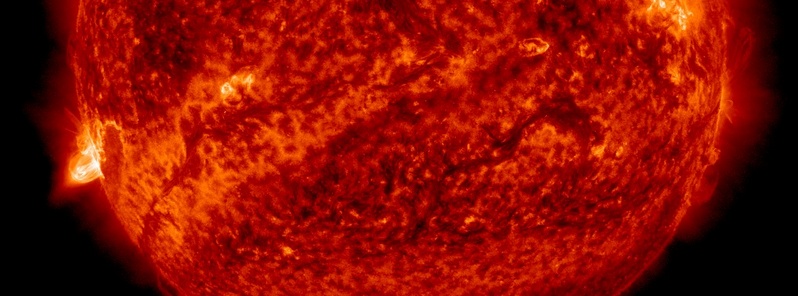
  • Increased solar activity continues

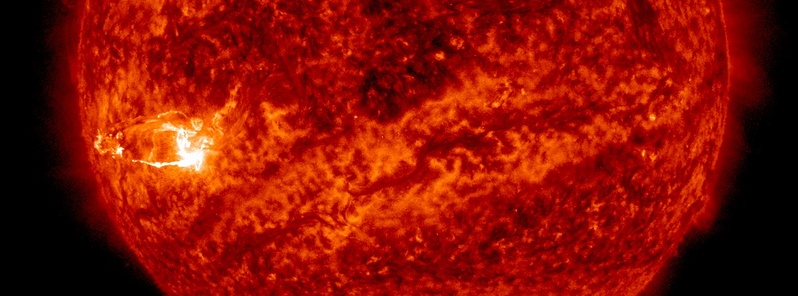
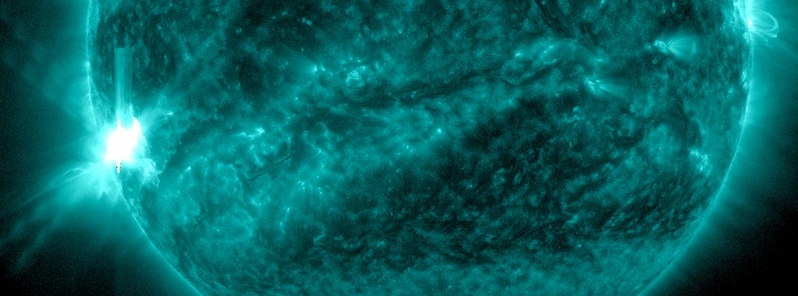
    Solar activity continues at moderate levels today with two M-class flares (M2.0 and M1.7) erupting from Region 2268 and one from newly numbered Region 2277 (M2.4).The first M-class solar flare of the day was an impulsive M2.0 which erupted at 00:44 UTC. It was followed

  • Moderately strong M2.1 solar flare erupts from Region 2268

    A moderately strong solar flare reaching M2.1 at its peak time erupted from Region 2268 on January 29, 2015. The event started at 11:32, peaked at 11:42 and ended at 11:52 UTC.As with all the previous M-class flares from this region in the past few days, this latest eve

  • Active volcanoes in the world: January 21 – 27, 2015

    New activity was observed at 7 volcanoes from January 21 – 27, 2015. During the same period, ongoing activity was observed at 12 volcanoes.New activity/unrest: Colima, Mexico | Hunga Tonga-Hunga Ha'apai, Tonga Islands | Karymsky, Eastern Kamchatka (Russia) | Klyuche

  • Moderate M1.4 solar flare erupts from Region 2268

    A moderate solar flare measuring M1.4 at its peak time erupted from Region 2268 on January 28, 2015. The event started at 04:21, peaked at 04:41 and ended at 04:55 UTC.Coronal Mass Ejection (CME) was not produced.Region 2268 ('beta-gamma') is currently the large