• Haze over Eastern China

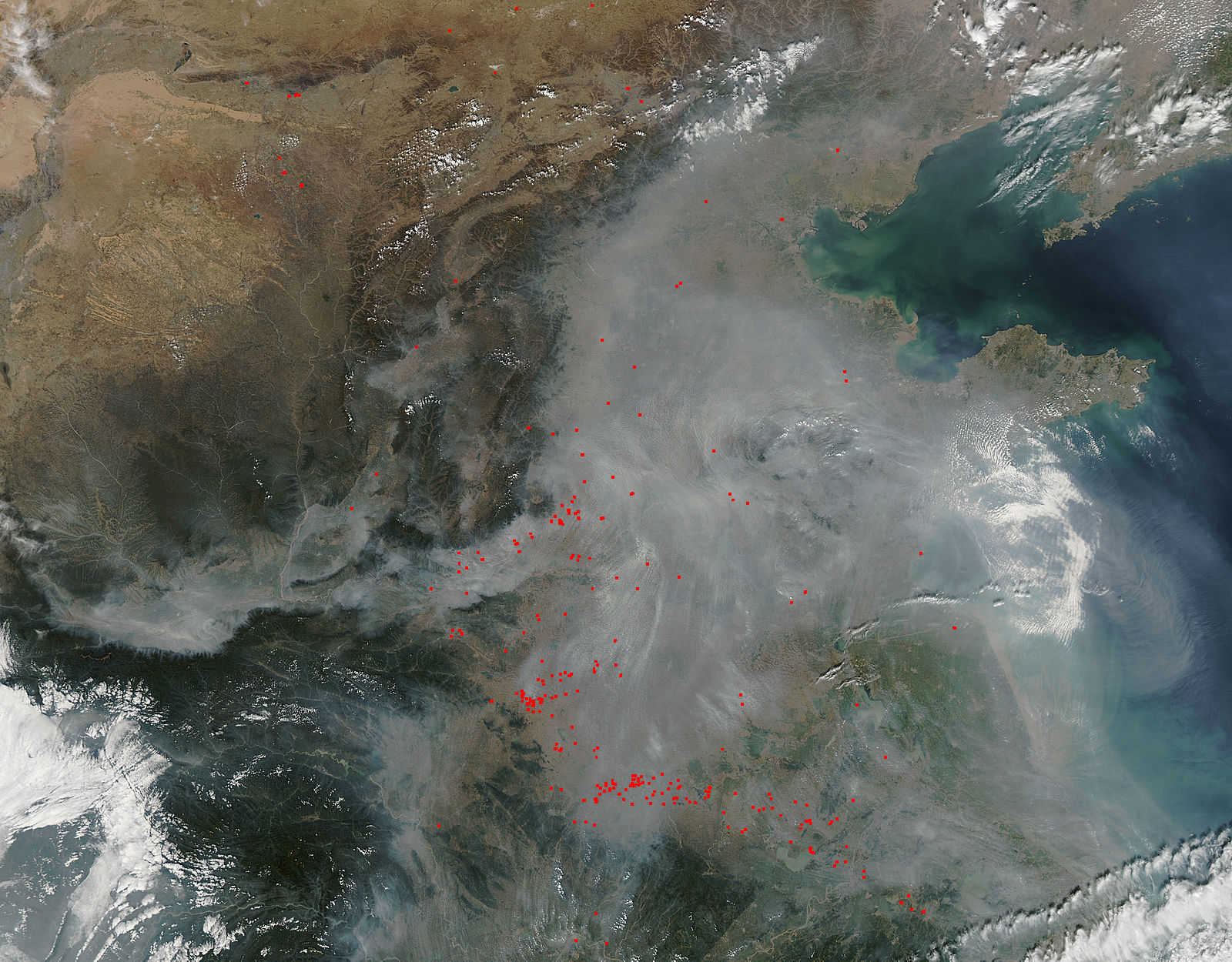
    A long band of haze, roughly 100 kilometers wide, extends east-west southwest of Beijing. South of Beijing, the haze fans out, extending from the shores of Bo Hai to the shores of the Yellow Sea. Along the Yellow Sea shoreline, the haze is thick enough to obscure the

  • Large fires burned throughout Australia’s Northern Territory

    Large fires burned throughout Australia’s Northern Territory on September 30, 2011, when the Moderate Resolution Imaging Spectroradiometer (MODIS) on NASA’s Aqua satellite acquired this image. The fires are marked in red. Fire fighters were monitoring 21 fires,
  • Fires in Northern Territory, Australia

    Large fires burned throughout Australia’s Northern Territory on September 30, 2011, when the Moderate Resolution Imaging Spectroradiometer (MODIS) on NASA’s Aqua satellite acquired this image. The fires are marked in red. Fire fighters were monitoring 21 fires,
  • Fires in north central Australia

    Each year, the cool dry season of northern Australia brings a strong threat of bushfire to the tropical savannas as the grasses and brush, made lush by summer rains, become bone-dry fuel. ABC Rural, of Australia, reported that after a summer of flooding, less rain has

  • Haze over Eastern China

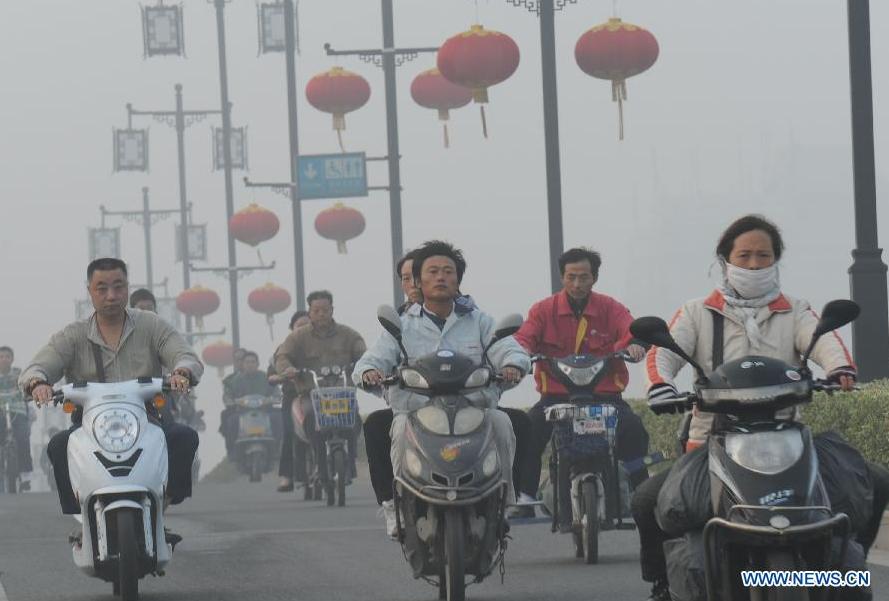
    After Tropical Storm Muifa made landfall and subsequently dissipated, haze hovered over eastern China in early August 2011. The thick band of haze stretched over the coastal plain, from Beijing southward, and over parts of Bo Hai and the Yellow Sea.The Moderate

  • The Lion Wildland Fire continues to grow

    The Lion Wildland Fire was ignited by lightning on July 8 and is located in the Golden Trout Wilderness on the Sequoia National Forest. The Lion Fire, presently at 17,436 acres, continues to grow as firefighters focus on securing the perimeter and containing the fire.

  • Arctic tundra wildfires return after 10000-year absence

    After a 10,000-year absence, wildfires have returned to the Arctic tundra, and a University of Florida study shows that their impact could extend far beyond the areas blackened by flames.In a study published in the July 28 issue of the journal Nature, UF ecologist Miche