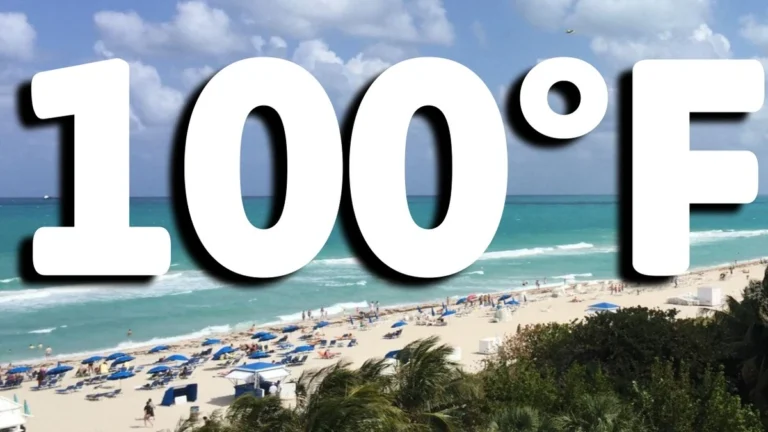
• Miami reaches 37.8°C (100°F) for only second time on record, Florida

    Miami tied its all-time temperature record at 37.8°C (100°F) on August 18, 2026, the first time the city had reached that level since July 21, 1942. Fort Lauderdale also reached 36.7°C (98°F), tying its August 18 daily record, as Heat Advisories remained in effect across South Florida.

  • Hurricane Lala leaves one dead, more than 100 homes damaged or destroyed in Hawaii

    Officials confirmed one death linked to Hurricane Lala as Hawaii remained in recovery on August 18, 2026, after the storm caused severe flooding, landslides, and widespread infrastructure damage. More than 100 homes were reported damaged or destroyed on Hawaiʻi Island, while Hawaiian Electric reported 88 670 customers without power across its service territory at 18:00 HST on August 17 (04:00 UTC on August 18).

  • Snow and 90 km/h (55 mph) winds suspend ALMA observations in the Atacama Desert, Chile

    A new snowfall accompanied by winds of 90 km/h (55 mph) reached the Chajnantor Plateau in Chile’s Atacama Desert on August 18, 2026, keeping astronomical observations suspended at the Atacama Large Millimeter/submillimeter Array (ALMA). The antennas remained in survival mode as winter weather continued to affect high-altitude roads, border crossings and communities across northern Chile.

  • El Niño forecast to reach historic strength ahead of winter 2026–27

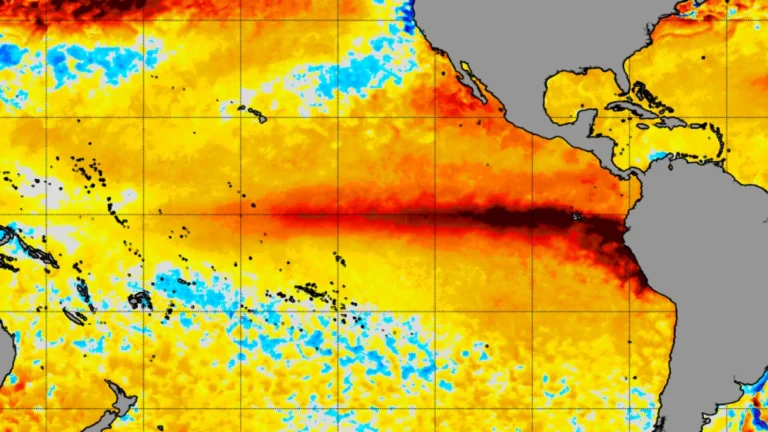
    NOAA’s Climate Prediction Center (CPC) has raised the probability of a very strong El Niño during late 2026, increasing the likelihood of characteristic El Niño impacts across the United States during winter 2026–27. Current seasonal guidance favors wetter-than-normal conditions across much of the southern tier and drier conditions across parts of the Northwest and northern United States, while above-normal temperatures are favored across much of the West, northern tier and parts of the East.

    The probability of a very strong El Niño during October–December rose from 81% in CPC’s July assessment to 95% in August, with a 69% chance that the Relative Oceanic Niño Index (RONI) will reach at least +2.5°C (+4.5°F), a level that would exceed previous El Niño events in NOAA’s record dating to 1950. The strength and location of tropical Pacific warming and convection will influence how closely winter 2026–27 follows established El Niño patterns.

  • At least six dead as severe storms and historic flooding hit Indiana

    At least six people have died after severe storms and flooding spread across Indiana beginning August 11, 2026, while major White River flooding forced evacuations and rescues across several counties. The National Weather Service said widespread flooding was affecting the White River late August 15, with major flooding at Noblesville and Nora and extensive flooding around Ravenswood near and north of Indianapolis. NWS described the flooding in parts of central Indiana as catastrophic.

  • M6.1 earthquake hits Vanuatu at intermediate depth

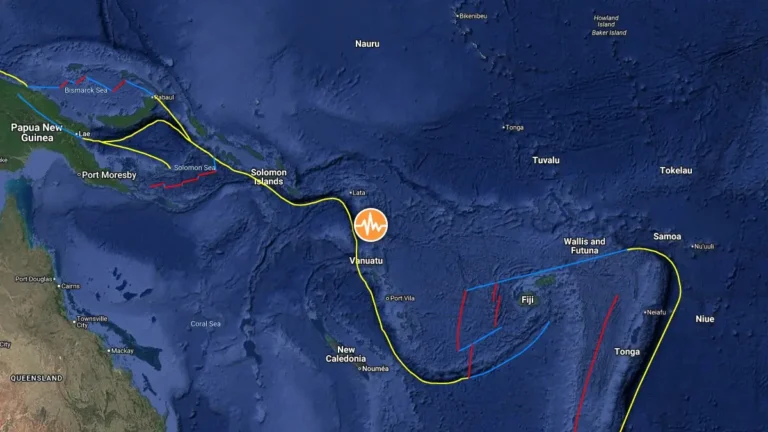
    A strong earthquake registered by the USGS as M6.1 hit Vanuatu at 03:20 UTC (14:20 LT) on August 16, 2026. The agency is reporting a depth of 188.1 km (116.9 miles). EMSC is reporting the same magnitude and depth.

  • Strong M6.9 earthquake hits North Sumatra, Indonesia

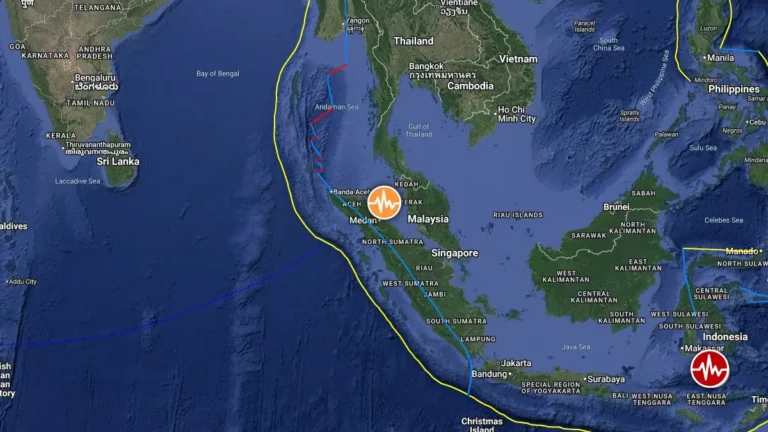
    A strong earthquake registered by the USGS as M6.9 hit North Sumatra, Indonesia, at 10:54 UTC (17:54 LT) on August 15, 2026. The agency is reporting a depth of 172.5 km (107.2 miles). EMSC is reporting M6.9 at a depth of 180 km (111.8 miles).

  • Major M7.7 earthquake hits Flores region, Indonesia, leaving 105 dead

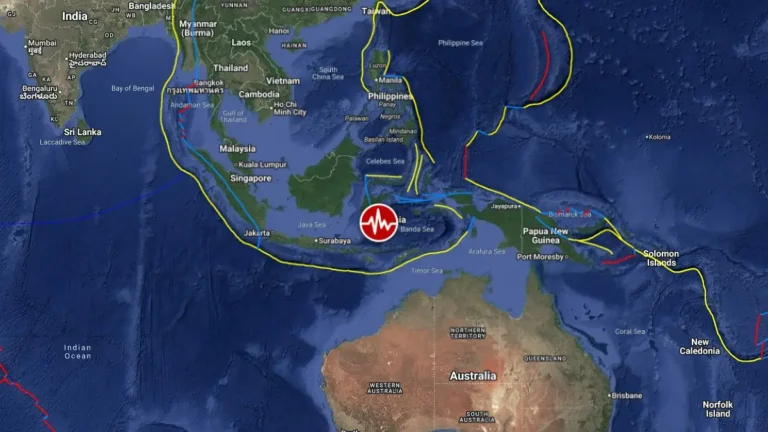
    A major earthquake registered by the USGS as M7.7 hit 68 km (42 miles) NNW of Ende, Indonesia at 21:58 UTC on August 14, 2026. The agency is reporting a depth of 10 km (6.2 miles). EMSC is reporting M7.7 at a depth of 35 km (21.7 miles). BMKG reported M7.7 and a tsunami potential following the earthquake.

  • Wildfire near Omiš burns homes and vehicles, injures 40 and forces 1 200 people to evacuate, Croatia

    A large wildfire reported near Lokva Rogoznica at 20:15 LT (18:15 UTC) on August 13, 2026, spread toward Omiš overnight, reaching residential areas and burning about 900 ha (2 200 acres) by 12:00 LT on August 14, according to the Croatian Firefighting Association (HVZ). At least 1 200 people were evacuated, 40 were treated in hospitals, of which seven with life-threatening injuries. Local media are describing it as one of the worst wildfires in Croatia’s history.