• Magnitude 6.0 earthquake struck near Aleutian Islands, Alaska

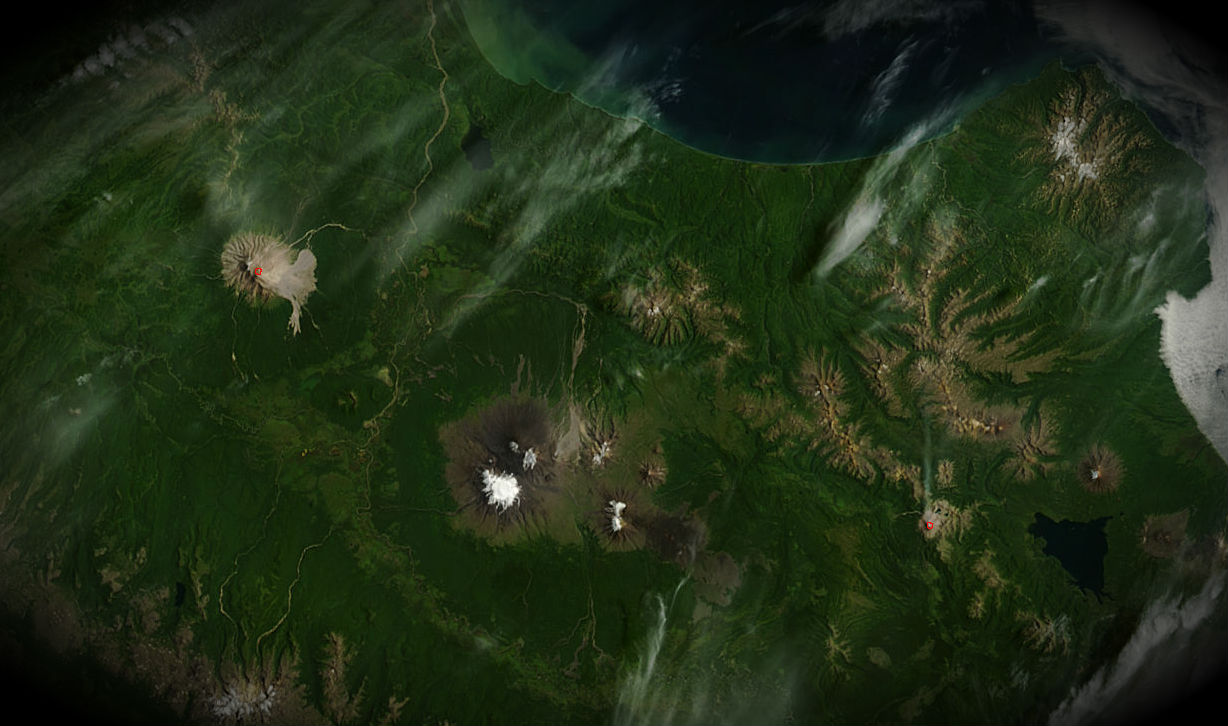
    Shallow M6.o earthquake struck near Aleutian Islands, Alaska at 15:56 UTC on June 19, 2012. The epicenter was located 120 km (74 miles) WNW of Attu Station, Alaska (53.392°N, 171.635°E) at depth of 20.9 km (13.0 miles). according to USGS. EMSC recorded magnitude

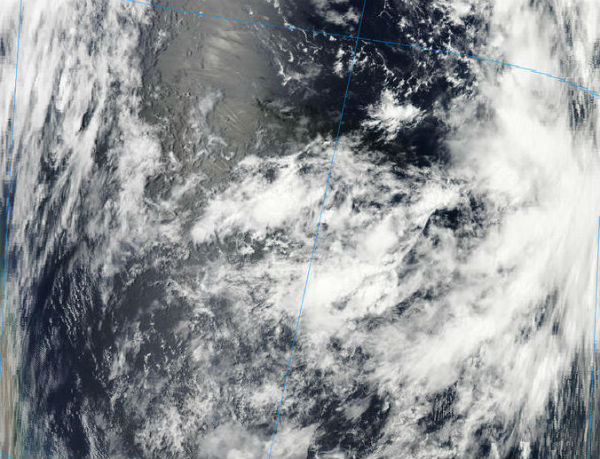
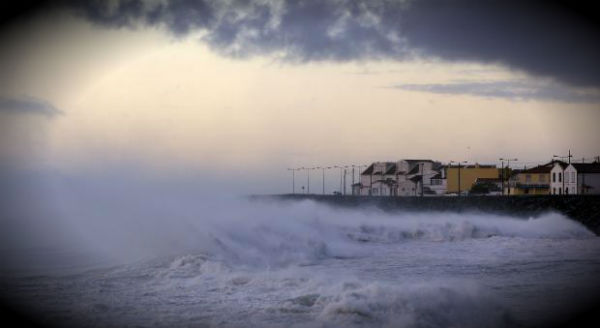
  • Typhoon Guchol bringing strong winds to Ryuku Islands

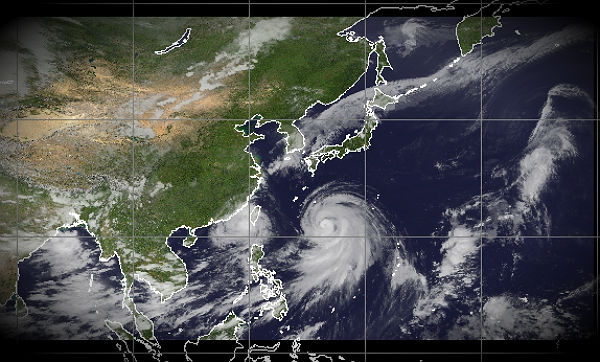
    Typhoon Guchol is predicted to be the first tropical cyclone to hit Japan this year. Yesterday Guchol was a powerful category 4 typhoon on the Simpson Scale with winds of 130 kts (~150 mph). Guchol has been weakening and may only a be a strong tropical storm when it is

  • Maricopa sandstorm timelapse (Phoenix US, June 16, 2012)

    Timelapse of the Phoenix Sandstorm from Maricopa, AZ that hit at 5.30 PM” on June 16 by YouTube poster whittakerbrock.Dust storms are common in the southwestern U.S. during the summer, which is the region’s monsoon season. During the monsoon, an overall shift in

  • 6.4 magnitude earthquake hit near east coast of Honshu, Japan

    6.4 magnitude earthquake hit near east coast of Honshu, Japan on June 17, 2012 at 20:32 UTC (5:32 JST, June 18) according to USGS. Epicenter was located 115 km (72 miles) SE (142°) from Morioka, Honshu, Japan (38.894°N, 141.946°E). Recorded depth by usgs was 31.8

  • Magnitude 6.1 earthquake struck Luzon, Philippines

    Strong earthquake with magnitude 6.1 struck Luzon, Philippines on June 16, 2012 at 22:18 UTC according to USGS. Epicenter was located 94 km (58 miles) SW of Dagupan, Luzon, Philippines (15.574°N, 119.609°E). Recorded depth was 35.3 km (21.9 miles).Philippine

  • Global supply chains cause extinction of many species

    Thirty percent of threatened species are at risk because of consumption in developed world according to research made by University of Sydney. The study mapped the world economy to trace the global trade of goods implicated in biodiversity loss such as coffee,

  • Volcanic gases could deplete ozone layer

    A new study has found that massive volcanic eruptions that took place over the past 70,000 years in Nicaragua could have injected enough gases into the atmosphere to temporarily thin the ozone layer. The study also concluded that if such an event took pace today, the