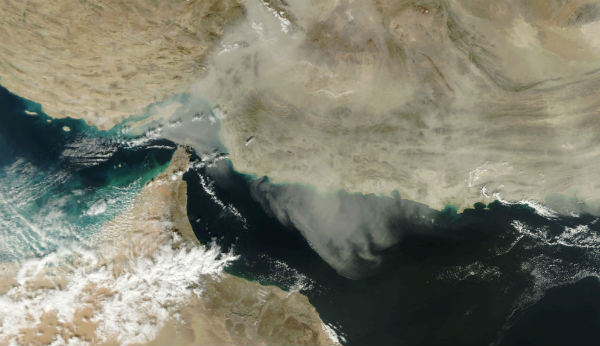
• Shamal and dust storms over Southwest Asia

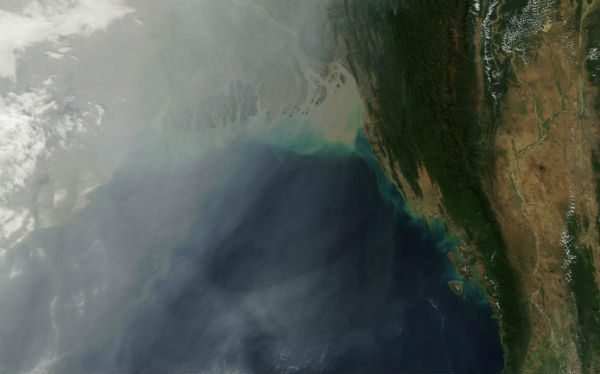
    Dust blows off the coast of Iran and over the Strait of Hormuz and the Gulf of Oman. In winter time dust storms are associated chiefly with the passage of westerly depressions in this region.This dust storm may be connected to a local phenomenon known as the
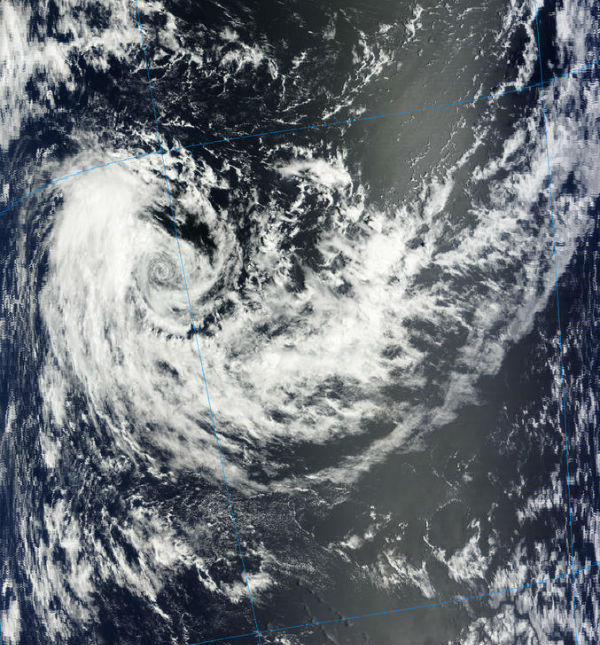
  • Tropical Cyclone Emang picks up speed

    According to latest report by Joint Typhoon Warning Center (JTWC), Tropical Cyclone Emang was located approximately 500 nm east- southeast of Diego Garcia, and was moving at speed of 5 knots. Animated infrared (IR) satellite imagery depicts a partially exposed

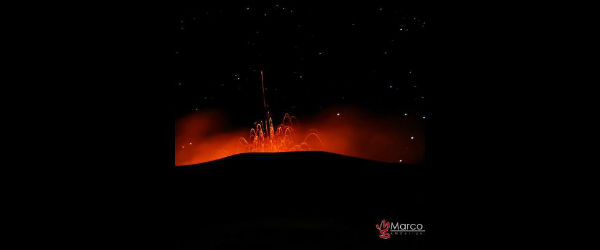
  • Bocca Nuova’s eruption at Etna volcano on January 13, 2013

    During the night of  January 9-10, 2013, vigorous Strombolian activity started within the Bocca Nuova, Etna’s largest summit crater. The source vent is the same that was the site of several episodes of similar activity between July and October

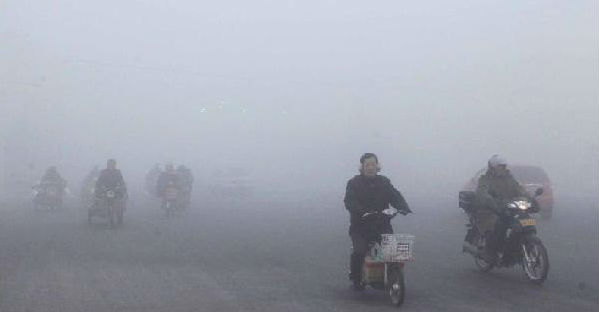
  • Air pollution in China reaches hazardous levels

    Air pollution readings in Beijing, China were at dangerously high levels for the second straight day on January 12, 2013 with hazy skies blocking visibility and authorities urging people to stay indoors. Severe pollution in Beijing is the worst since the local

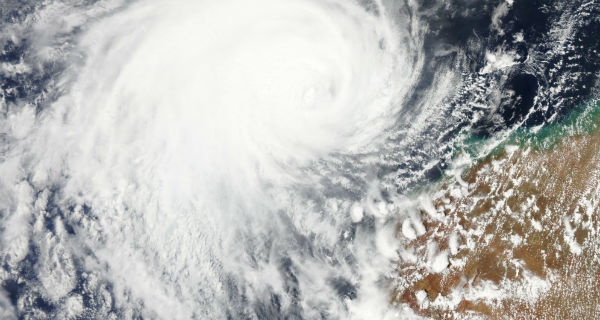
  • TC Narelle has begun a steady weakening trend

    Tropical Cyclone Narelle has begun a steady weakening trend and it is now classified as Category 1 storm with sustained winds of 145 km/h (90 mph). Narelle peaked yesterday with winds of 210 km/h (130 mph) as category 3 storm. TC Narelle captured by Terra/MODIS

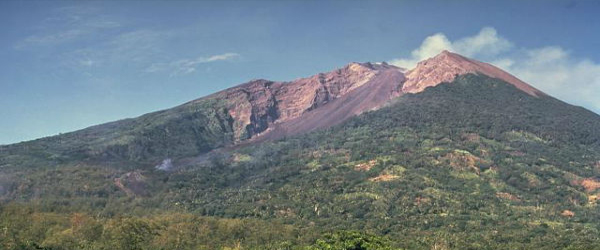
  • Explosions and ash columns at Santiaguito volcano in Guatemala

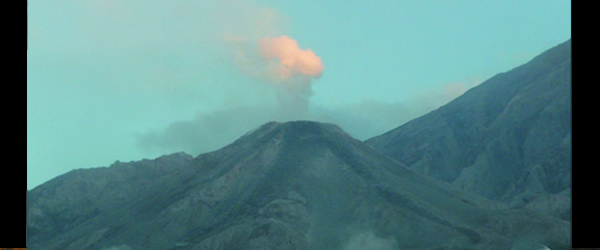
    A small eruption cloud was observed at Santiaguito volcano in Guatemala on January 11, 2013. INSUVIMEH reported  explosions at cone crater, accompanied by steam plumes and fine ash columns up to 3300 meters,  moving west-southwest. 4 lava flows from the lava dome

  • January “king tides” threaten coastal areas worldwide

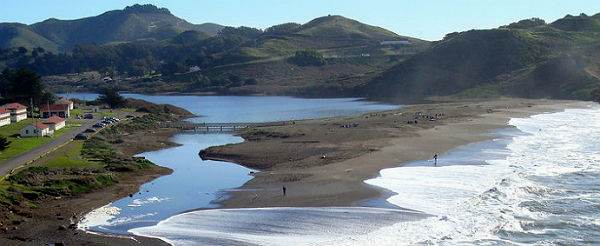
    High tides will be extra high everywhere around the world this week because the Earth is at perihelion – the point in its orbit at which it is closest to the Sun. Occurring several times a year, king tides happen when the Earth, moon and sun align in a way that