The Watchers team and our contributors bring the latest on extreme weather, earthquakes, volcanic eruptions, space weather, and all things science. We're all about making sense of the natural world and keeping you informed on what’s happening. Got a tip or a question? Hit us up using the form at newstips!

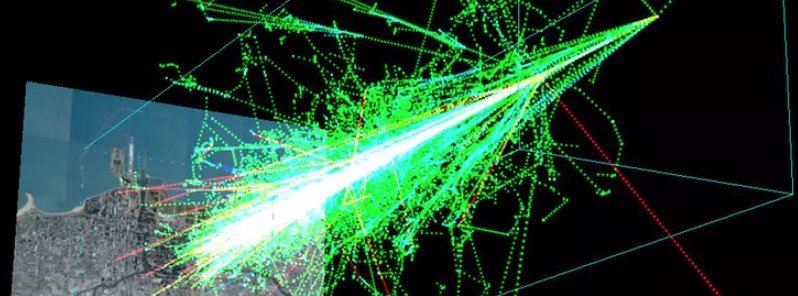
  • Thunderstorms create radioactivity

    A new study, published this week in Nature, shows that thunderstorms can also produce radioactivity by triggering nuclear reactions in the atmosphere. This may sound like the plot of a blockbuster science fiction disaster. But in reality, it’s nothing to worry…
  • Currents in the atmosphere and 2017 Atlantic hurricanes

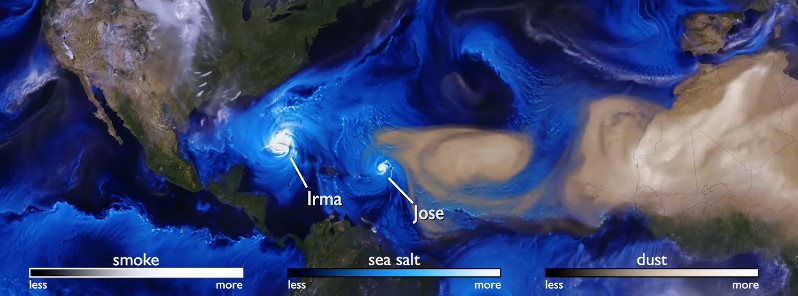
    Tracking the aerosols carried on the winds let scientists see the currents in our atmosphere. This visualization follows sea salt, dust, and smoke from July 31 to November 1, 2017, to reveal how these particles are transported across the map. The first thing that is…

  • Intergalactic plasma filaments confirmed?

    On the Space News series, a clear picture of cosmic scale phenomena has emerged: networks of filaments pervade space and are closely linked to the formation and evolution of stars and galaxies. The electric universe and plasma cosmology have always predicted that…

  • Scientists determine source of world’s largest mud eruption

    On May 29, 2006, mud started erupting from several sites on the Indonesian island of Java. Boiling mud, water, rocks and gas poured from newly-created vents in the ground, burying entire towns and compelling many Indonesians to flee. By September 2006, the largest…

  • Amazing aurora borealis over Iceland

    Because sometimes you just need to see it… "On September 27, 2017, a G3 class solar storm sparked beautiful auroras but I was way too far north to get a very good show. Instead, Lady Aurora decided to show her best colors the next night on September 28th,…

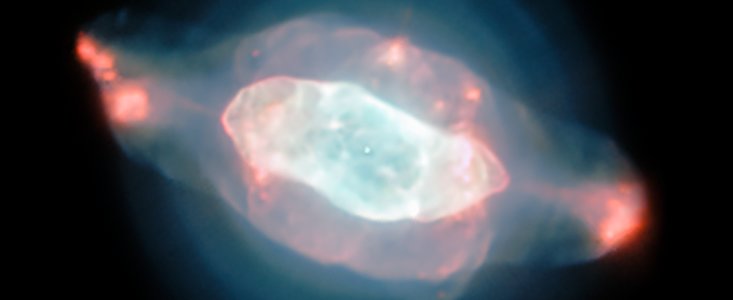
  • The strange structures of the Saturn Nebula

    The spectacular planetary nebula NGC 7009, or the Saturn Nebula, emerges from the darkness like a series of oddly-shaped bubbles, lit up in glorious pinks and blues. This colorful image was captured by the powerful MUSE instrument on ESO’s Very Large Telescope…

  • Winter is coming to Urals and Siberia with record daily lows

    The winter of 2017/18 announced itself in Urals and Siberia, Russia this week with abnormally cold temperatures, between 3 – 10 °C (5.4 – 18 °F) below average. Anomalously cold weather is affecting the Urals and southern Siberia over the past couple of days…