I'm a dedicated researcher, journalist, and editor at The Watchers. With over 20 years of experience in the media industry, I specialize in hard science news, focusing on extreme weather, seismic and volcanic activity, space weather, and astronomy, including near-Earth objects and planetary defense strategies. You can reach me at teo /at/ watchers.news.

  • Asteroid 2025 TF flew just 420 km (260 miles) above Antarctica, second-closest flyby on record

    A newly-discovered asteroid designated 2025 TF made an extremely close approach to Earth at 00:49 UTC on October 1, 2025, reaching a nominal distance of 0.02 LD (0.00005 AU / 6 790 km / 4 220 miles) from Earth’s center — equivalent to about 419 km (260 miles) above the surface over Antarctica. At this distance, it is now classified as the second-closest asteroid flyby ever recorded.

  • Positive polarity CH HSS sparks G3 – Strong geomagnetic storm

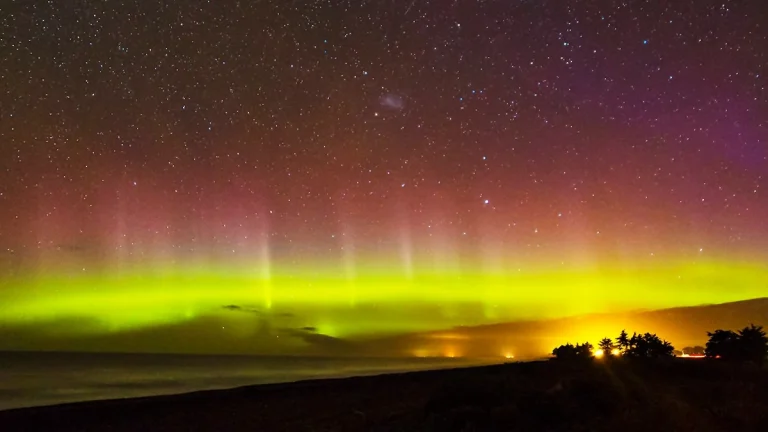
    A G3 (Strong) geomagnetic storm is in progress on October 2, 2025, driven by a positive-polarity coronal hole high-speed stream (CH HSS). The U.S. Space Weather Prediction Center (SWPC) issued an active warning valid until 12:00 UTC, with aurora sightings possible as far south as Pennsylvania, Iowa, and Oregon.

  • Dual lava fountains from Kīlauea’s Halemaʻumaʻu crater reach 400 m (1 300 feet), Hawaii

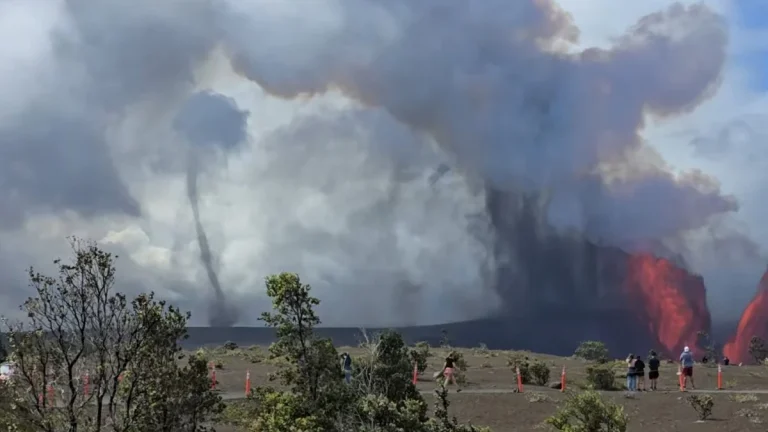
    Episode 34 of the ongoing Kīlauea eruption ended at 07:03 HST (17:03 UTC) on October 1, 2025, after 6 hours of lava fountaining from two vents in Halemaʻumaʻu crater at the volcano’s summit, Hawaii. Lava fountains reached up to 400 m (1 300 feet), erupting about 9 million m³ of lava at a peak effusion rate of 500 yd³/s. The eruption filled much of the western crater floor before activity ceased.

  • Six homes destroyed by coastal flooding in Buxton, North Carolina

    Dangerous coastal flooding from hurricanes Humberto and Imelda collapsed six oceanfront homes in Buxton, North Carolina, on September 30, 2025, with debris forcing beach closures and travel restrictions on NC12. Authorities warn of additional collapses as long-period swells continue.

  • Coastal bluff collapse damages backyards in Rancho Palos Verdes, California

    A section of coastal bluff measuring about 91–122 m (300–400 feet) collapsed in Rancho Palos Verdes, California, on September 28, 2025, falling 15–18 m (50–60 feet) toward the ocean. Four backyards were damaged, but no homes sustained structural damage, and no injuries were reported. Authorities said the collapse occurred outside the long-active Portuguese Bend Landslide Complex, located about 6 km (4 miles) away.