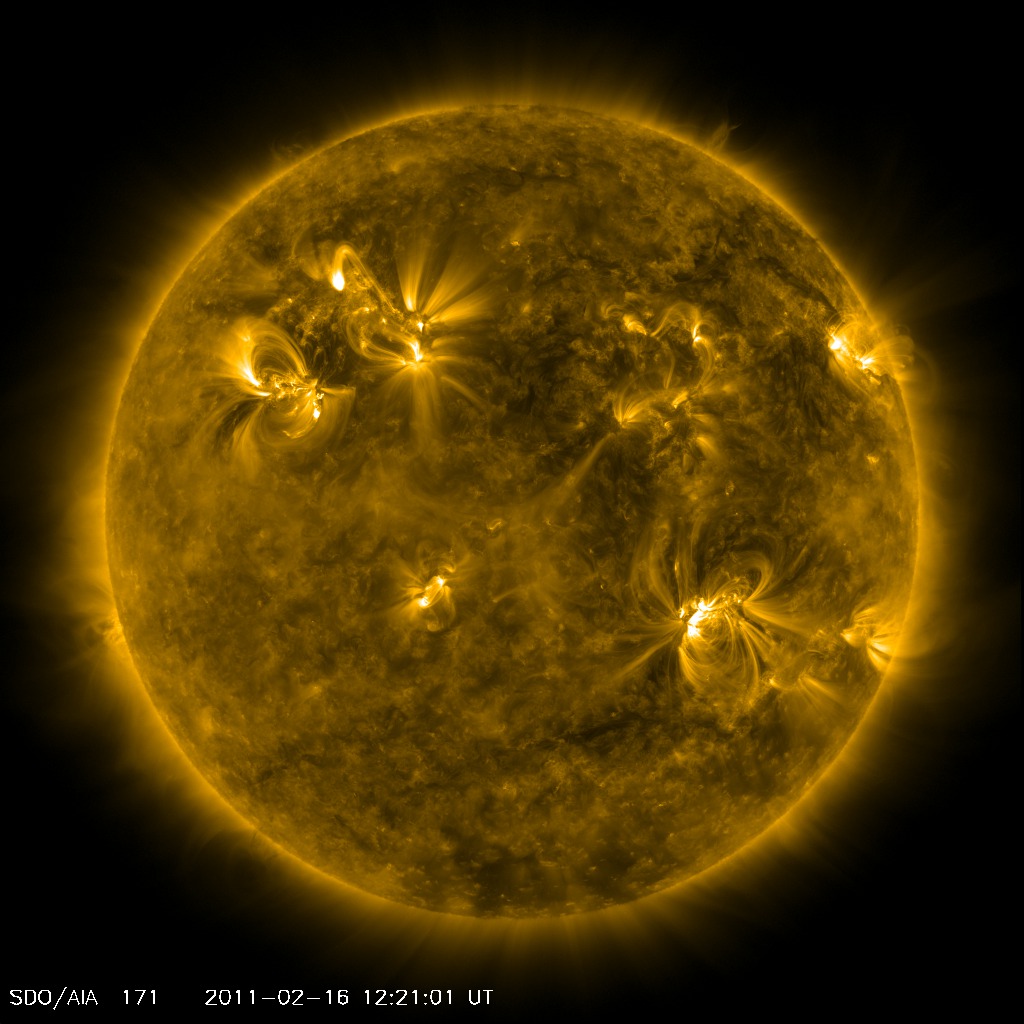
• CME expected to hit later tonight and tomorow

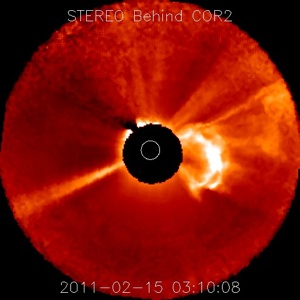
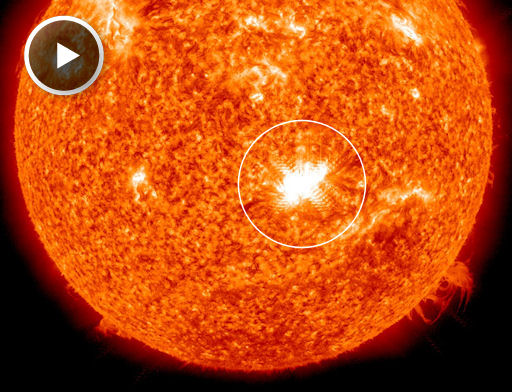
    A series of coronal mass ejections (CMEs) en route to Earth from sunspot 1158 will buffet our planet's magnetic field during the next 24-48 hours. NOAA forecasters estimate a 45% chance of geomagnetic activity on Feb. 17th.

    Image credit: NASA / SDO /
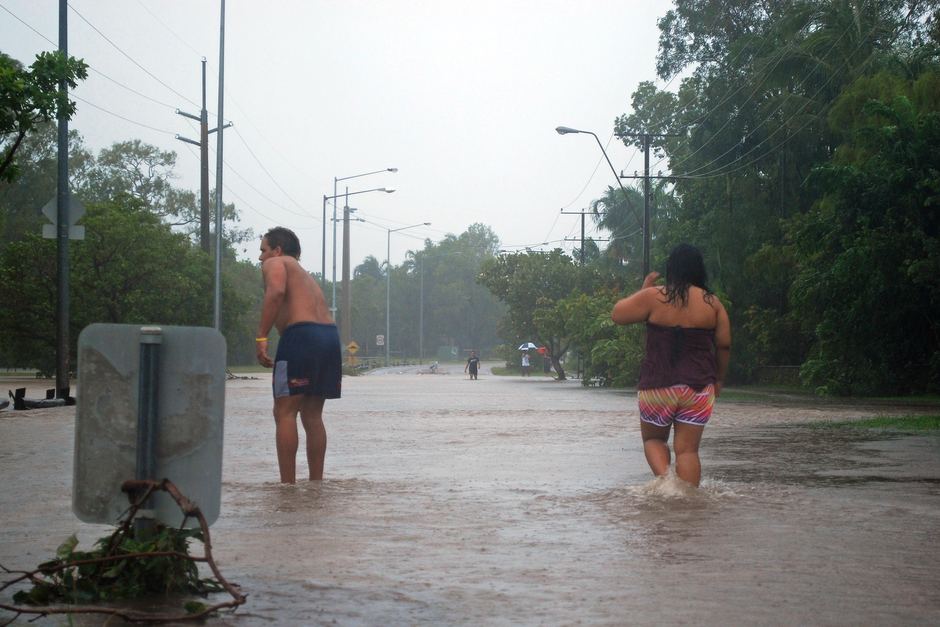
  • Cyclone Carlos lashes Australia

    Torrential rain and high winds lashed Darwin on Wednesday as a new tropical cyclone bore down on Australia's north, just two weeks after a top-strength storm caused massive destruction.

    Schools and a major airport were closed as Tropical Cyclone Carlos

  • Plasma cloud from X2.3 solar flare headed our way

    Plasma cloud from the first X-class solar flare of Solar Cycle 24 (X2.3 on February 15, 2011) is headed our way. It is expected to arrive around February 17. 2011/02/15, at 07:07 UTC – PRESTO-alert: NOAA AR 1158 has produced an X2.3 flare peaking at 01:56 UTC,…

  • Cyclone Bingiza hits Madgascar

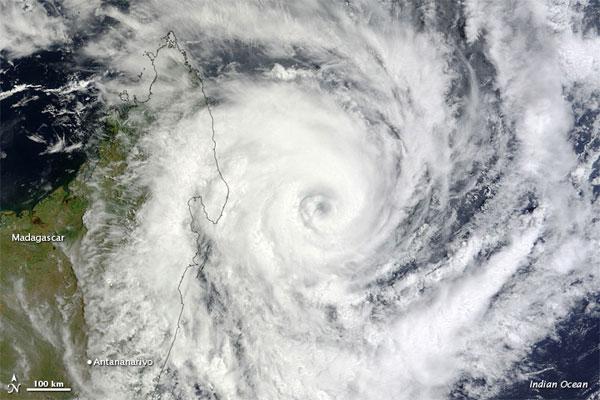
    The U.S. Navy's Joint Typhoon Warning Center (JTWC) reported that, as of about noon Madagascar time on Feb. 14, Bingiza had maximum sustained winds of 98 mph (155 kilometers per hour) and gusts up to 120 mph (195 kph).

    Image credit: NASA Terra/MODIS

  • Planetary tremors, tectonic plate movements, watch for Chile

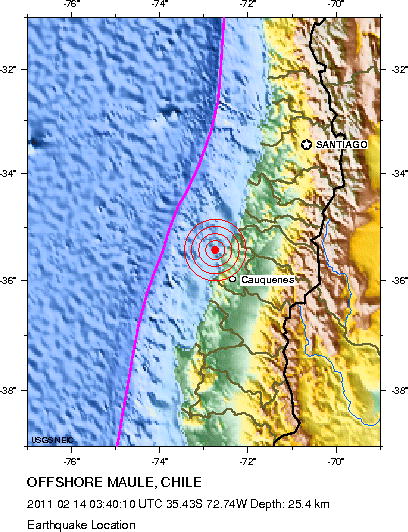
    6.6 magnitude earthquake, the fourth in the series, strike offshore of Maule Chile today at a depth of 25.4 km. The Caribbean Plate is now showing inordinate signs of strain. The region is very unstable and we could see a major seismic event soon.

    There

  • Comet Tempel 1 encounter – tonight

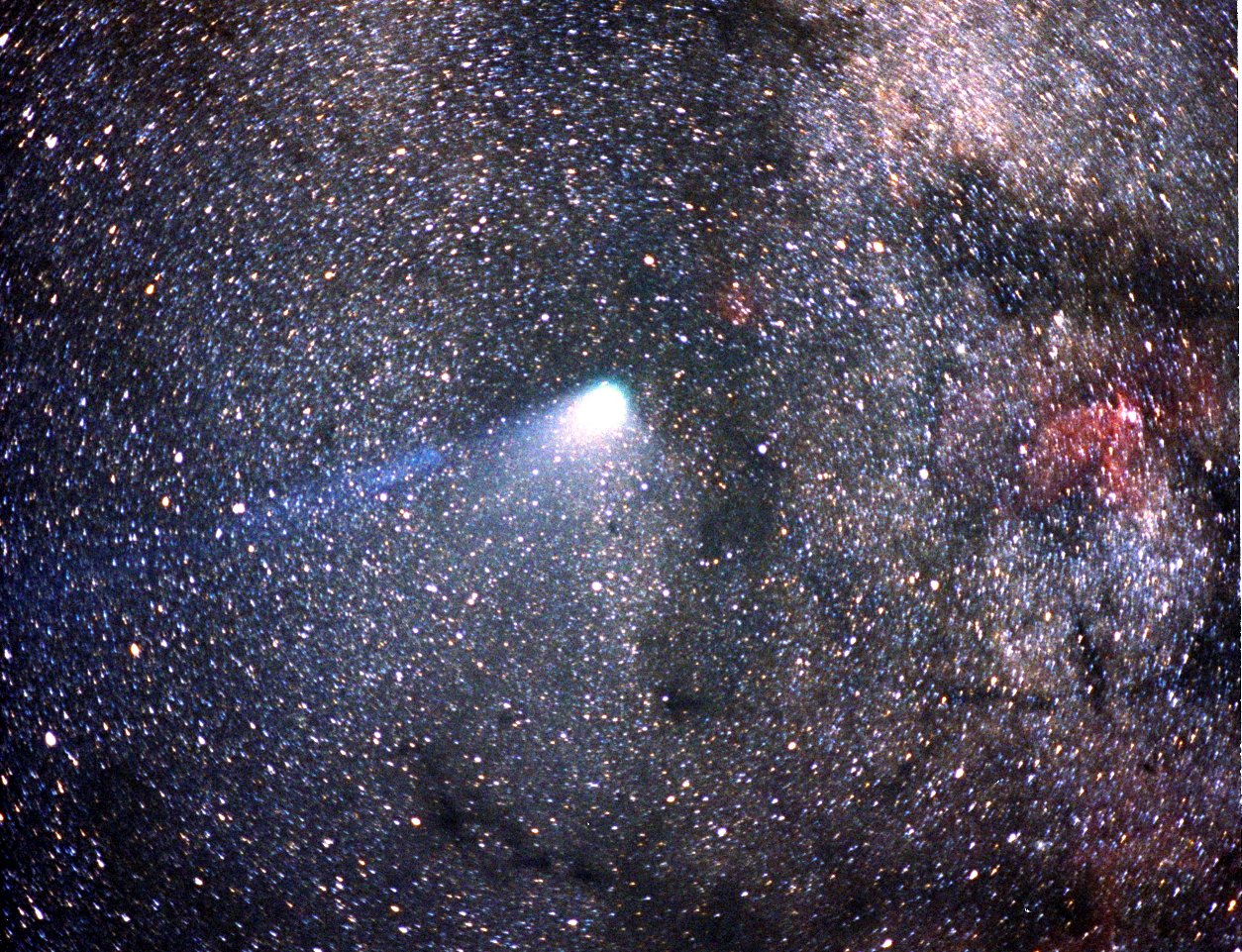
    NASA's Stardust-NExT probe is plunging toward Comet Tempel 1 for Valentine's Day encounter designed to reveal how solar heat devours the icy cores of comets. Closest approach happens at 8:37 p.m. PST (11:37 p.m. EST) on Feb. 14th. Stay tuned for fantastic…

  • Bingiza reaches major hurricane strength, eyes Madagascar

    Tropical Cyclone Bingiza has intensified to Category 3 hurricane strength. It is expected to maintain that strength prior to slamming into the southwestern Indian Ocean island of Madagascar within the next 24 hours.

    Tropical Cyclone Bingiza has taken on a westward

  • Understanding the patterns of seafloor biomass

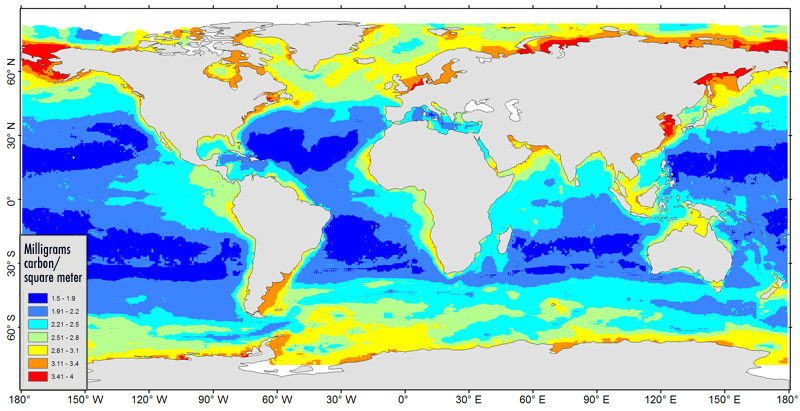
    The vast majority of the biological production in the world's oceans occurs within sunlit surface waters – the so-called photic zone. Through the process of photosynthesis, tiny marine plants called phytoplankton use the energy of sunlight to build the carbon-rich