Powerful eruption at Sangay volcano, Ecuador
A powerful eruption started at Sangay volcano, Ecuador at around 11:40 UTC on November 4, 2022.

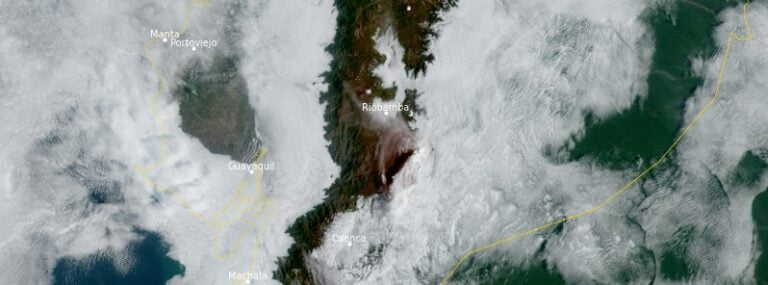
A powerful eruption started at Sangay volcano, Ecuador at around 11:40 UTC on November 4, 2022.

Very heavy rains caused by a low pressure area over the Caribbean Sea hit the mountainous coastal region of the state of La Guaira, Venezuela on October 28, 2022, causing destructive flash flooding.

Severe Tropical Storm “Nalgae” — known as Paeng in the Philippines — made four landfills in the Philipines by 09:00 UTC on October 29, 2022, leaving more than 70 people dead.
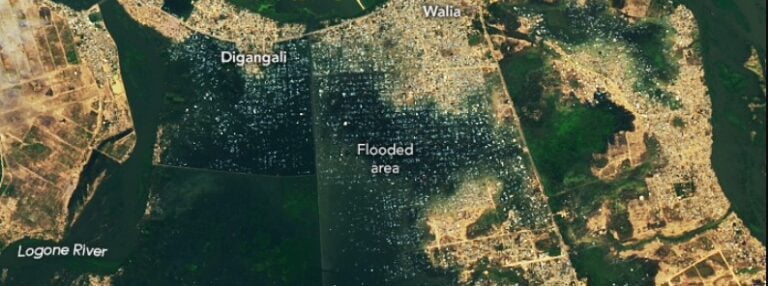
Authorities in Chad declared a state of emergency last week due to widespread floods affecting more than 1 million people. The floods affected 18 of the country’s 23 provinces.
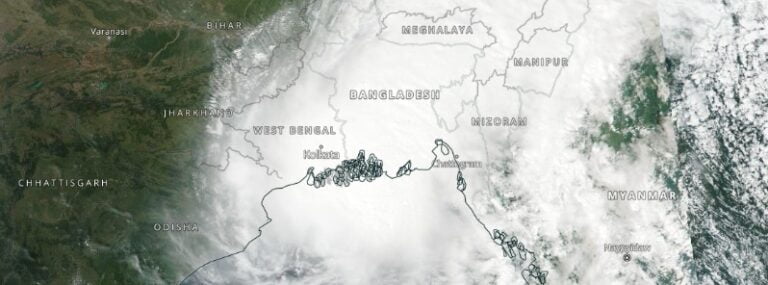
Tropical Cyclone “Sitrang” made landfall along the Chittagong-Barisal coast around 15:00 UTC on October 24, 2022, with maximum sustained winds of 80 km/h (50 mph). Sitrang left a trail of destruction and, at least 25 people dead across 9 districts and about 8 million without power.

Drier weather has returned to flood-affected parts of Victoria, Tasmania and New South Wales on Monday, October 17, 2022, however, floodwaters remain high and continue to rise at some locations. Dry conditions will be short-lived, as more widespread rain and storms are forecast across eastern Australia later this week.
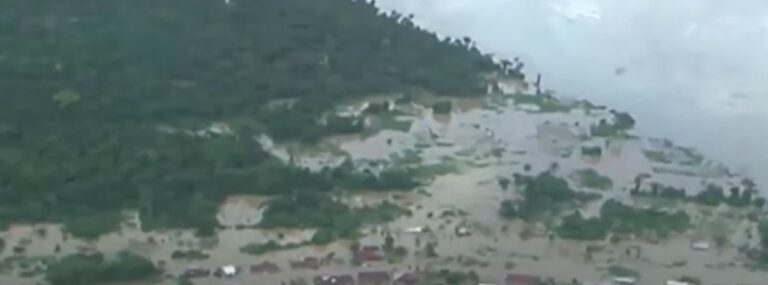
Nigeria is experiencing its worst floods on record this rainy season, with more than 1.4 million people affected and 800 000 displaced. 27 out of the 36 states in the country are experiencing flooding, with Kogi the worst affected.

A massive landslide hit the town of Las Tejerías, Venezuela on October 9, 2022, leaving at least 30 people dead and 54 others missing. The town is loaded 87 km (54 miles) SW of Caracas. This is one of Venezuela’s biggest landslides in decades.
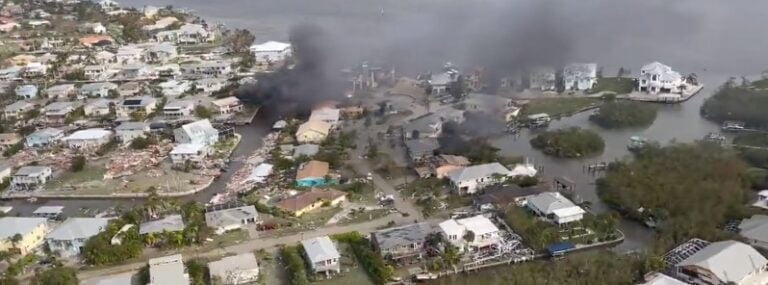
Hurricane “Ian” made landfall along the southwestern coast of Florida near Cayo Costa, an island off the coast of Fort Myers, around 19:05 UTC (15:05 EDT) on September 28, 2022, with maximum sustained winds of 240 km/h (150 mph), placing it at the upper end of the Category 4 hurricane on the Saffir-Simpson scale. Ian caused a catastrophic storm surge, winds and flooding in the Florida Peninsula, leaving more than 2.6 million customers without power.
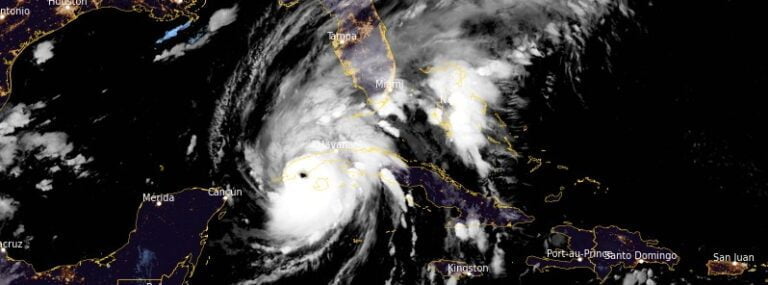
Ian strengthened into a major hurricane (Category 3) at 06:30 UTC on September 27, 2022, just 2 hours before making landfall in western Cuba. Significant wind and storm surge are occurring over the region.
