• Distant earthquakes can cause underwater landslides

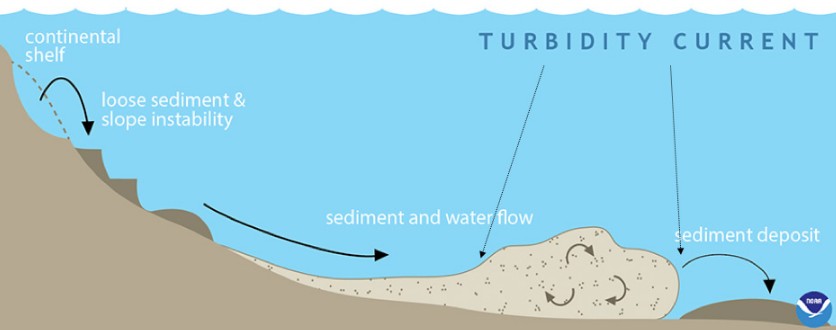
    New research finds large earthquakes can trigger underwater landslides thousands of miles away, weeks or months after the quake occurs. Researchers analyzing data from ocean bottom seismometers off the Washington-Oregon coast tied a series of underwater landslides…
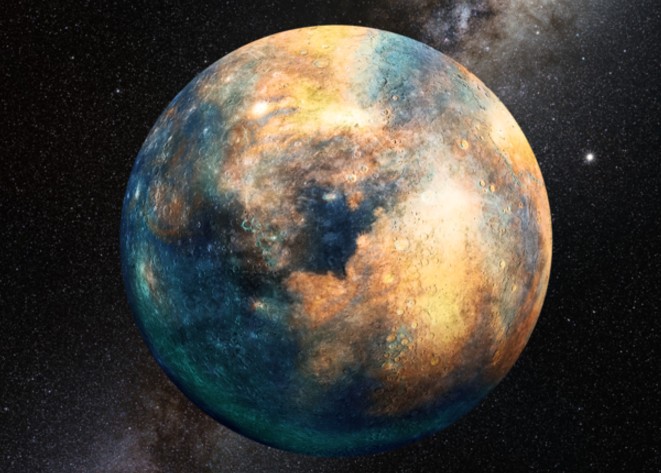
  • Study suggests another large planetary body exists in Solar System

    A new study from the University of Arizona suggests that an unknown, and currently unseen planetary body exists in the outer reaches of our solar system. The planet is located far beyond Pluto and has a mass somewhere between that of Mars and Earth. This object is…

  • How large-scale water cycles influence quake activity in California

    A new study shows how seasonal changes in large-scale water cycles in California influence small-scale quake activity. It confirms that the annual hydrological loading cycle modulates microseismicity in California. The results of the study reveal how snow, rain,…

  • Our sun had a twin when it was born, study

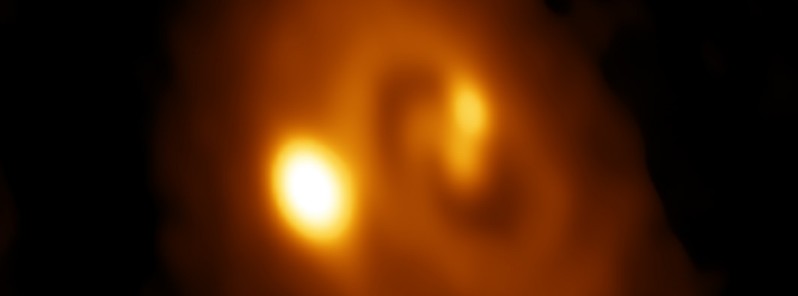
    According to a new analysis by a theoretical physicist from UC Berkley and a radio astronomer from the Smithsonian Astrophysical Observatory at Harvard University, our sun, as well as every other sunlike star in the universe, had a twin when it was born. Astronomers…

  • Enceladus’ spin axis may have tilted due to asteroid impact

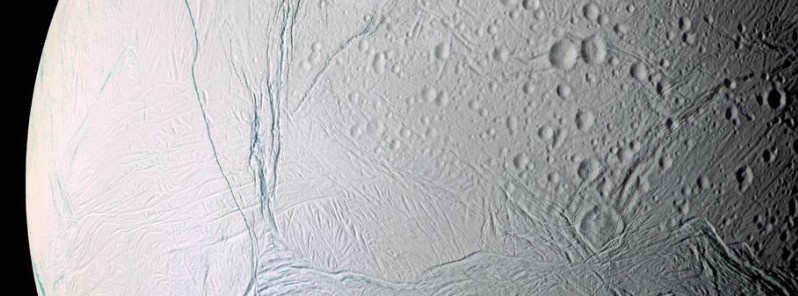
    Cassini mission scientists found evidence that Saturn's icy, ocean-bearing moon Enceladus may have tipped over in the distant past. Its spin axis, the line through the north and south poles, has reoriented, possibly due to a collision with a smaller body such as…

  • Juno mission rewrites what we know about Jupiter

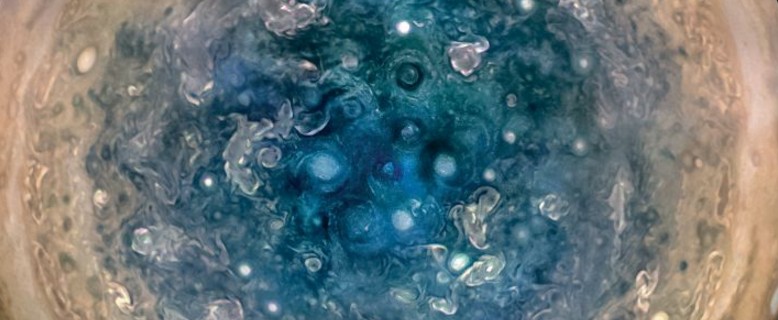
    NASA’s Juno mission, led by Southwest Research Institute’s Dr. Scott Bolton, is rewriting what scientists thought they knew about Jupiter specifically, and gas giants in general, according to a pair of Science papers released today. The Juno spacecraft…