• Dust deposits give new insights into the history of the Sahara

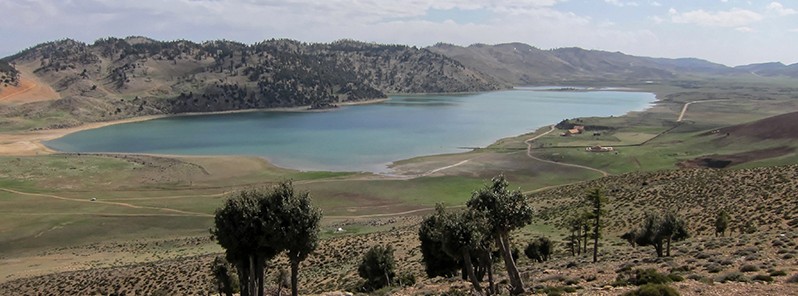
    The Sahara is the world's largest desert and dust source with significant impacts on trans-Atlantic terrestrial and large-scale marine ecosystems. Remote Saharan dust influences the Earth's radiation budget and tropical North Atlantic ocean-atmosphere…
  • CERN’s LHCb experiment announces observation of a new particle

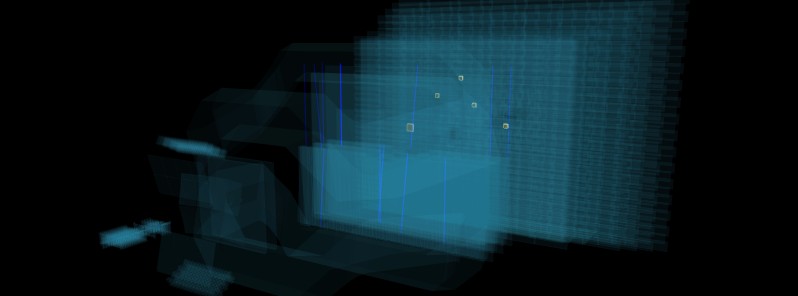
    At the EPS Conference on High Energy Physics held this week in Venice, the LHCb experiment at CERN’s Large Hadron Collider has reported the observation of Ξcc++ (Xicc++) a new particle containing two charm quarks and one up quark. The existence of this…

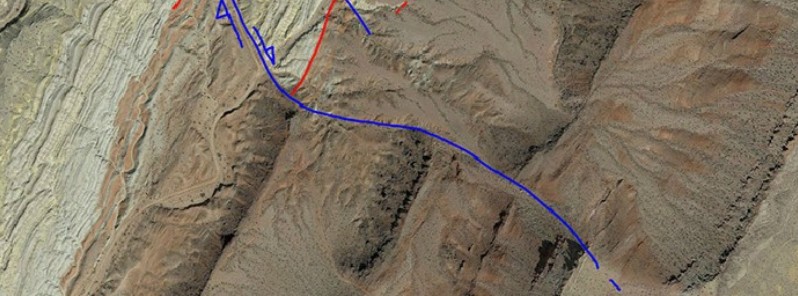
  • How strike-slip faults form, the origin of earthquakes

    Structural geologist Michele Cooke calls it the "million-dollar question" that underlies all work in her laboratory at the University of Massachusetts Amherst: what goes on deep in the earth as strike-slip faults form in the crust? This is the fault type…

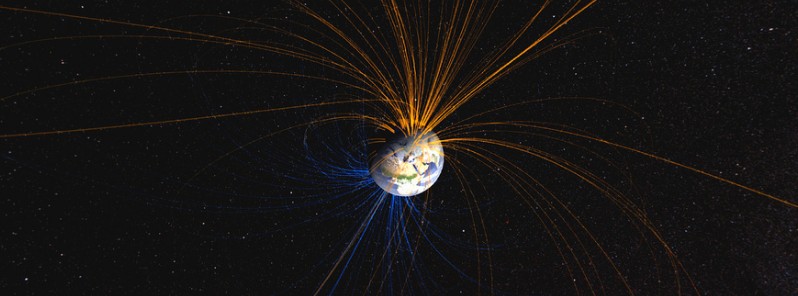
  • Study finds Earth’s magnetic field ‘simpler than we thought’

    Scientists have identified patterns in the Earth’s magnetic field that evolve on the order of 1 000 years, providing new insight into how the field works and adding a measure of predictability to changes in the field not previously known. The discovery also…

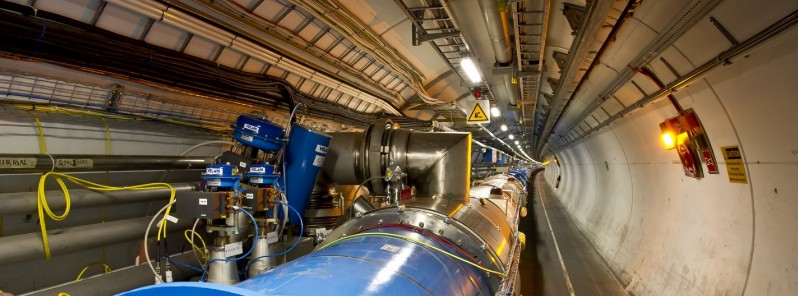
  • CERN: Unprecedented number of particles reached in record time at LHC

    CERN reports that an unprecedented number of particles has been reached in record time at their Large Hadron Collider (LHC). Just five weeks after physics resumed, the Large Hadron Collider (LHC) is already running at full throttle, their report said. On Wednesday,…

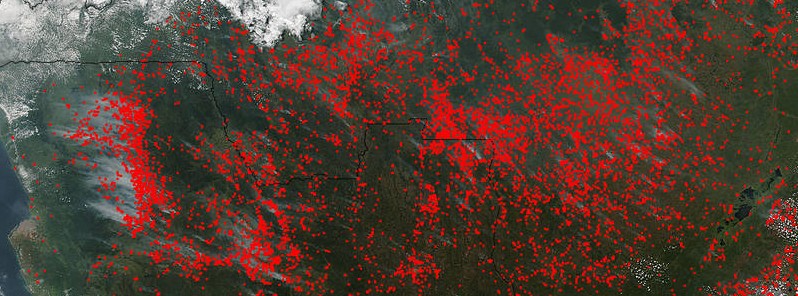
  • Steep drop in natural and human-caused fires worldwide

    Researchers using NASA satellites to detect fires and burn scars from space have found that an ongoing transition from nomadic cultures to settled lifestyles and intensifying agriculture has led to a steep drop in the use of fire for land clearing and an overall…

  • Previously unknown extinction of marine megafauna discovered

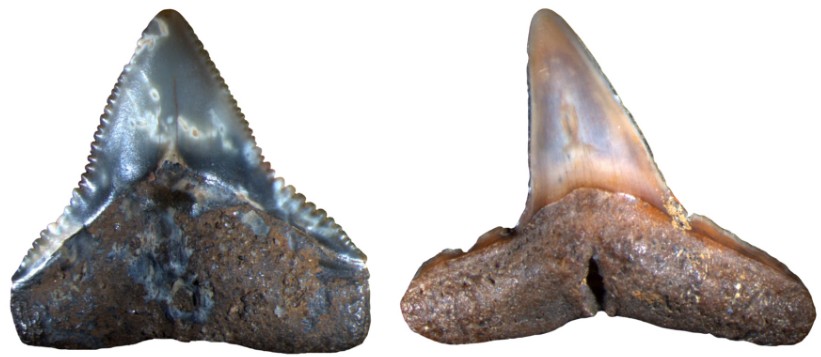
    Over two million years ago, a third of the largest marine animals like sharks, whales, sea birds and sea turtles disappeared. This previously unknown extinction event not only had a considerable impact on the Earth’s historical biodiversity but also on the…

  • Sound waves direct particles to self-assemble, self-heal

    An elegantly simple experiment with floating particles self-assembling in response to sound waves has provided a new framework for studying how seemingly lifelike behaviors emerge in response to external forces. Scientists at the Department of Energy’s…