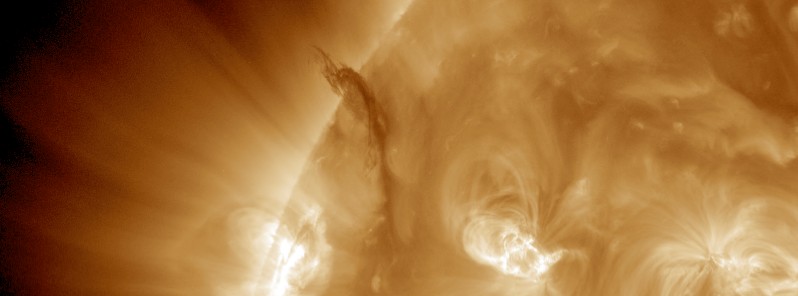
• Solar tornadoes not rotating after all, study shows

    According to a team of European scientists, solar tornadoes are not rotating after all. Their new analysis of these gigantic structures, each one several times the size of the Earth, indicates that they may have been misnamed because scientists have so far only been…

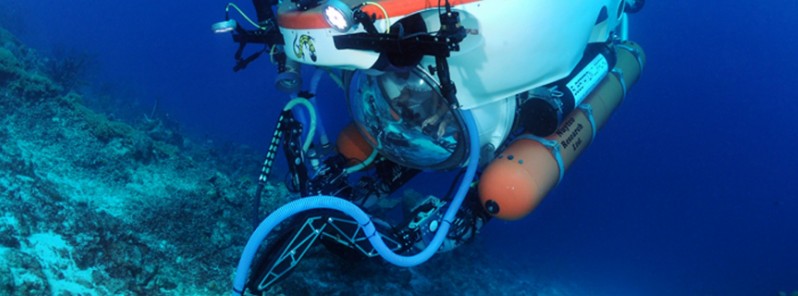
  • Researchers define a new ocean-life zone, name it the Rariphotic

    Smithsonian scientists have recently defined a new ocean-life zone, comprising of reef fishes, including numerous new species, that live well below shallow coral reefs. The new zone was named Rariphotic. The new zone was defined based on the unique fish fauna…

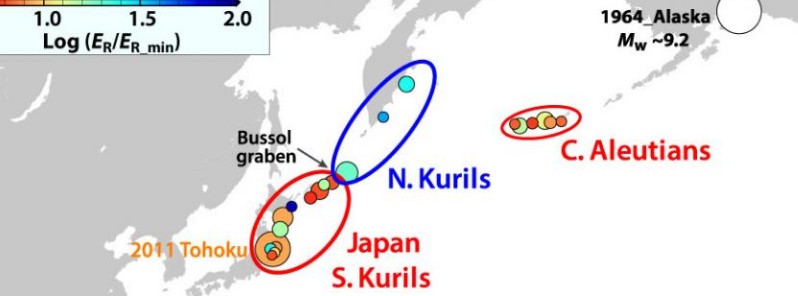
  • REEF – A new measure of earthquake ruptures

    A team of seismologists has developed a new measurement of seismic energy release that can be applied to large earthquakes. Called the Radiated Energy Enhancement Factor (REEF), it provides a measure of earthquake rupture complexity that better captures variations…

  • World’s first 3D thermal image of volcano

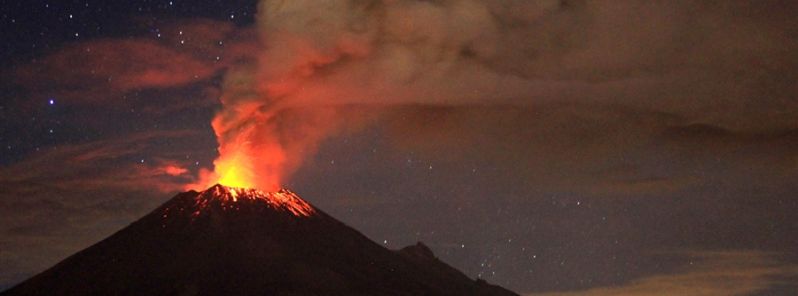
    Scientists from the University of Aberdeen have created the world's first 3D thermal image of an active volcano. The spectacular 3D image of Stromboli in Italy was made using high-precision cameras which are mounted to an aerial drone. The team of geoscientists…

  • West Texas oil patch heaving and sinking at alarming rates

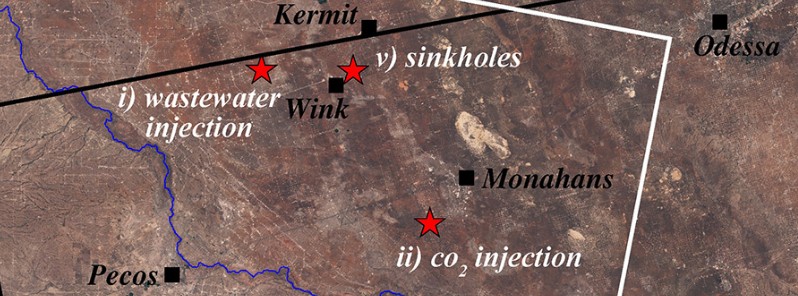
    Geophysicists from the Southern Methodist University in Dallas found that decades of oil production activity in Texas have destabilized localities of an area about 10 000 km2 (4 000 mi2) populated by small towns, roadways and a vast network of oil and gas pipelines…

  • Major flooding cyclical rather than random, new research says

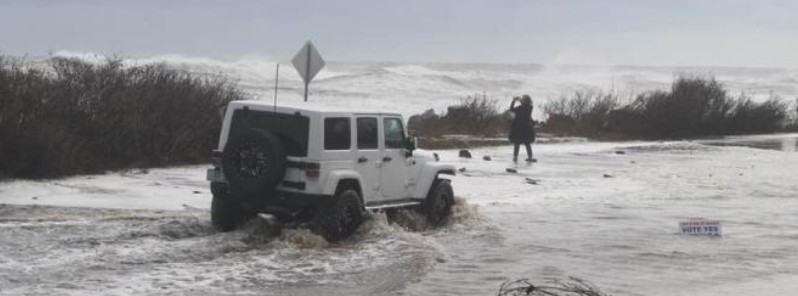
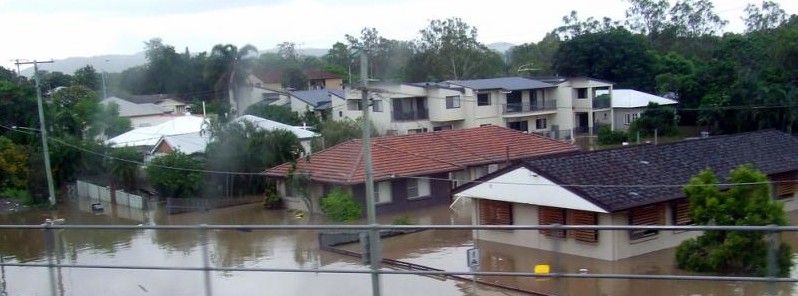
    University of Newcastle's (UON) fresh research found further evidence to support the notion that severe flooding events occur cyclically, challenging the widely approved assumption that floods occur randomly. The study is now raising questions about the…