• The most powerful gamma-ray burst on record

    A record-breaking gamma-ray burst known as GRB 221009A was detected in October 2022, and now, a trio of papers has been submitted to The Astrophysical Journal Letters, revealing new insights about this rare and unique event. With up to 18 teraelectronvolts of energy packed in its emissions of light, GRB 221009A is considered the most powerful gamma-ray burst on record, and its afterglow has been challenging our current theoretical models of gamma-ray bursts.

  • Thousands of buildings in Auckland unsafe for living after worst rains in 170 years, New Zealand

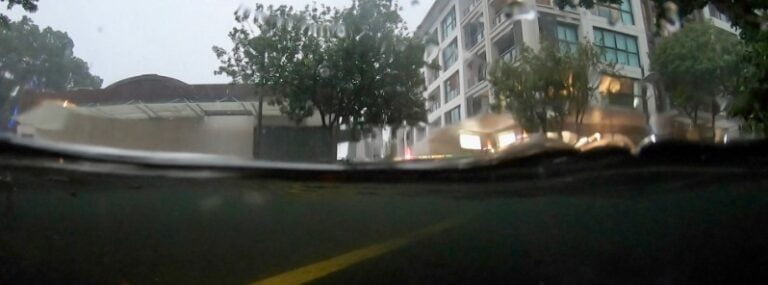
    Thousands of buildings in New Zealand’s Auckland area are currently unsafe for living after the region was hit by extreme rainfall and severe flooding at the end of January. The amount of rain that fell in a matter of days made January 2023 Auckland’s wettest month in at least the last 170 years. The flooding has put the public’s focus on nature-based alternatives to traditional stormwater systems.

  • Series of destructive landslides in Peru claim at least 40 lives, destroy 200 homes

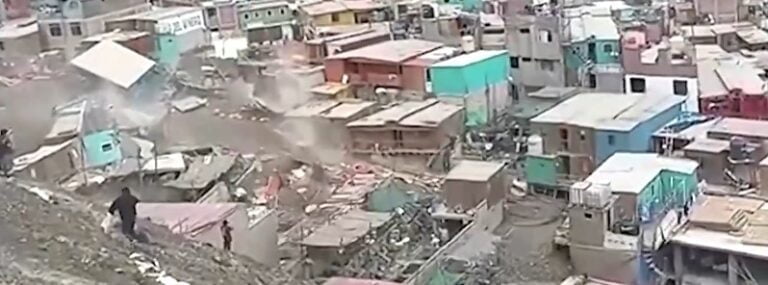
    At least 40 people have lost their lives and 200 houses have been swept away by a series of landslides caused by heavy rains in the Peruvian department of Arequipa. The landslides began on Sunday, February 5, 2023, and affected the town of Secocha and other localities in the province of Camaná.

  • Europe experienced record number of hailstorms in 2022 for the second year in row

    2022 saw a record-breaking number of hailstorms in Europe with 8 224 large hail reports. That is 2 791 large hail reports more than in 2021, which was already a record-breaking year. France had the most reports with 2 461 and was also the country with the largest economic impact of 4.8 billion €.

  • Increased seismicity at Lascar volcano, Alert Level raised to Orange, Chile

    Seismic activity around Chile’s Lascar volcano has increased over the past 2 days, causing Sernageomin to raise its Alert Level to Orange. The security perimeter around the crater was expanded to 10 km (6.2 miles), with the community urged to avoid unnecessary exposure to potential dangers. The seismicity is primarily linked to fluid dynamics within the volcanic system, which could be a result of the destabilization of a remnant magmatic body. This activity could lead to explosive events, potentially causing ashfall in the area.