• Unexpected G4 – Severe geomagnetic storm

    A combination of factors led to unexpectedly strong geomagnetic storm levels on Thursday, March 23, and Friday, March 24, 2023. The storm reached G3 – Strong levels at 14:49 UTC on March 23 and escalated to G4 – Severe at 04:04 UTC on March 24. The precise cause of this geomagnetic storm is still under investigation, but it is possible that coronal mass ejections (CMEs) from March 20 to 21 played a role.
  • From drought to deluge: California experiences second snowiest winter on record

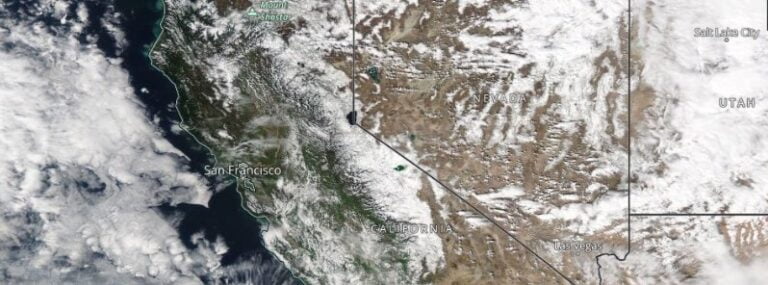
    This winter season in California has been one for the books, with snowpack statewide doubling the normal levels and much above what’s typical by April 1st, historically the deepest snow depth of the season. Despite widespread flooding and mandatory evacuations around rivers and creeks, the southern Sierra region, particularly Soda Springs, has seen an impressive amount of snowfall, marking the second snowiest winter on record with over 17 m (56 feet) of snow. While still shy of the record set during the 1951-52 season, with more snow predicted, it’s expected to come close in the next couple of weeks.

  • Earthquake swarm rattles Central Volcanic Region of New Zealand

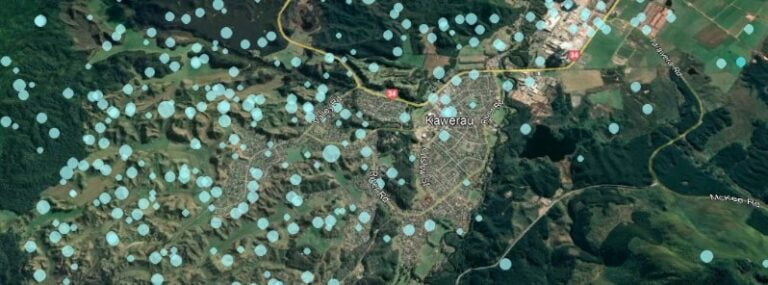
    Located in the Central Volcanic Region, the town of Kawerau in New Zealand has been hit by a series of earthquakes since March 17, 2023, with a tally of over 780 quakes. Of these, six earthquakes have registered magnitudes above M4.0. The seismic activity has caused noticeable shaking in the region, with the most substantial earthquake having a magnitude of M4.8, while the majority of the quakes have been rated between M2.0 and M2.9.

  • Tornado rips through village in central France, causing significant damage

    A tornado tore through the village of Pontarion in Creuse, central France, around 17:00 LT on Thursday, March 9, 2023, leaving behind a trail of destruction to infrastructure and buildings. The violent weather caused significant damage to a number of houses, leaving roofs and windows shattered, while telephone lines were also damaged.

  • When summer turned extreme: A statistical analysis of New Zealand’s remarkable summer of 2022/23

    February 2023 was a month of extremes for New Zealand’s weather and climate. While some parts of the North Island received at least 400% of their normal February rainfall and experienced the 2nd wettest summer on record, the South Island faced below-normal rainfall and the 5th driest summer on record. Cyclone Gabrielle brought destructive winds and historic extreme rainfall, resulting in widespread destruction and loss of life. The nationwide average temperature was 1.1 °C (2 °F) above the February average, making it the 3rd warmest summer on record. Despite the heavy rainfall, some locations experienced high sunshine hours.

  • Floods submerge towns and villages in Malaysia, forcing mass evacuations

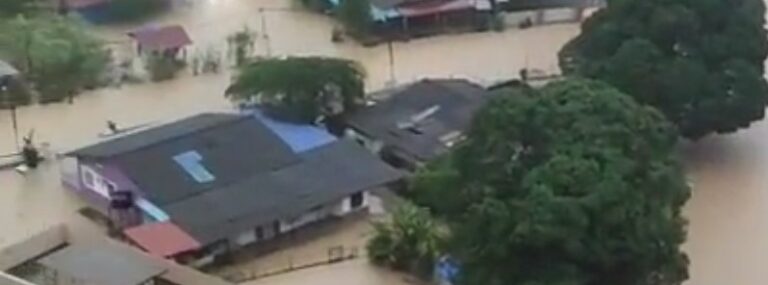
    Heavy rain and severe flooding in Malaysia have forced over 26 000 people to evacuate their homes, as rivers continue to rise above their danger marks. The southern state of Johor has been the worst hit, with more than 25 000 people moved to relief centers in schools and community halls. The country is experiencing its sixth episode of continuous heavy rain from the annual monsoon season that started in November, and the Meteorological Department has warned that the situation may continue until April.