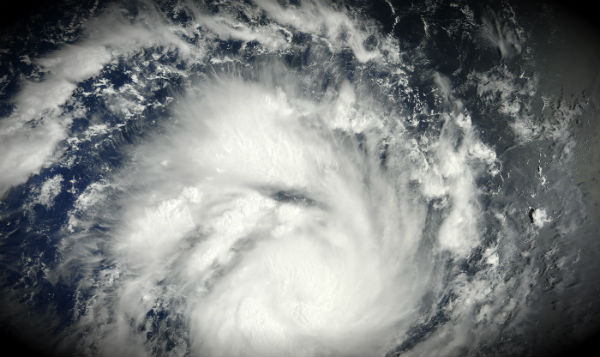
• Massive typhoon hits Philippine capital of Manila

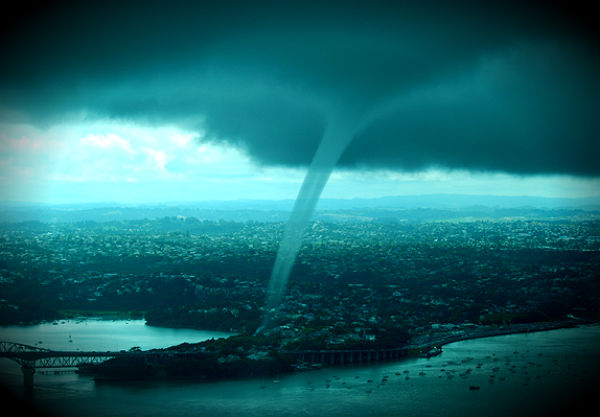
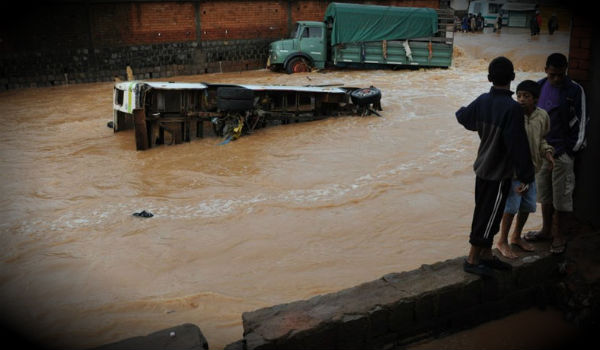
    At least seven people were killed when a typhoon hit the Philippine capital of Manila on Tuesday. Typhoon winds and rains isolated the historic old city, and residents waded in waist-deep waters, dodging tree branches and debris.Authorities ordered more than 100,000

  • A low pressure area sitting over the Great Lakes region

    A low pressure area has been sitting over the Great Lakes region for about a week now, keeping the region and the U.S. northeast and Mid-Atlantic under cloud cover.NASA’s Aqua satellite flew over head on Sept. 26, and captured two views of the low pressure

  • Typhoon Roke makes landfall in central Japan

    The 15th typhoon of the season landed near Hamamatsu, Shizuoka Prefecture, at around 2 p.m., bringing strong winds and heavy rain to vast areas of western and northern Japan.Typhoon Roke is moving northeast after making landfall on the Pacific coast of central Japan.

  • Typhoon Roke forcing mass evacuations in Japan

    Dangerous Typhoon Roke, now the equivalent of a Category 3 hurricane, is set to be the strongest typhoon to hit Japan so far this year. Though the typhoon is expected to weaken to a Category 1 hurricane before roaring onshore over south-central Honshu Wednesday, it

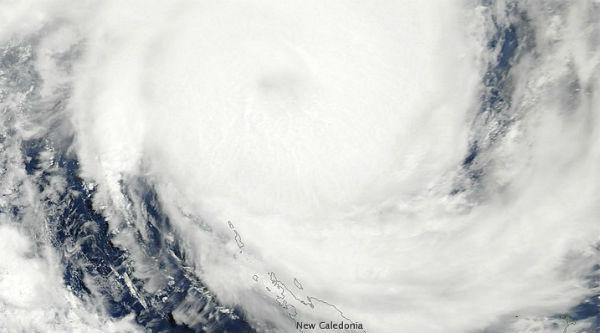
  • Two typhoons churn in the West Pacific basin

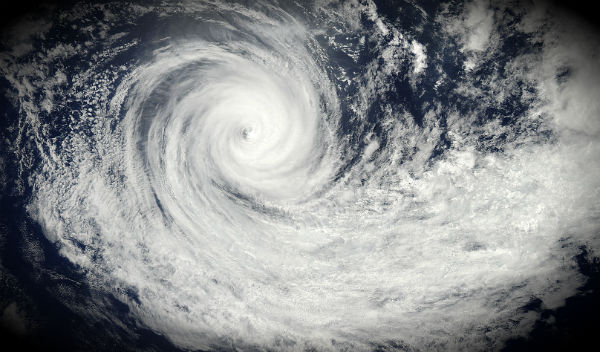
    Typhoon Roke (Onyok) is the seventh typhoon and fifth major typhoon of the 2011 Asia Pacific typhoon season. The storm is currently located about 280 nautical miles south of Sasebo, Nagasaki Prefecture, Japan and is a category 3 typhoon with a maximum sustained wind

  • Maria becomes third hurricane of 2011 season

    Maria, the 13th named storm of the season, has sustained winds of 75 mph (120 kph), just above the hurricane-strength threshold. The storm is currently on a latitude about level with North Carolina and is spinning some 205 miles (330 kilometers) north-northwest of

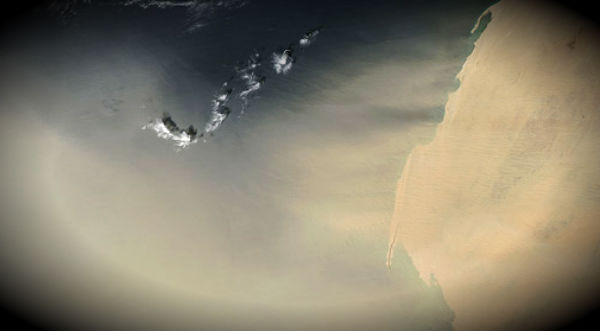
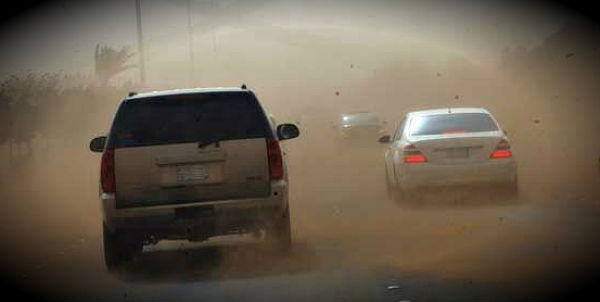
  • Dust plumes over Red Sea

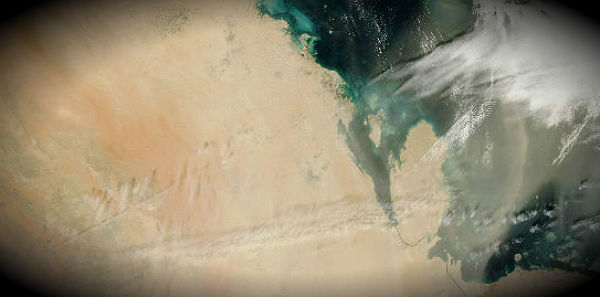
    Another dust storm blew off the coast of Africa and over the Red Sea on September 15, 2011. The Moderate Resolution Imaging Spectroradiometer (MODIS) on NASA’s Aqua satellite took this picture the same day.Dust plumes travel in a generally clockwise direction

  • Former Hurricane Katia hits the U.K.

    The Met Office has issued a yellow severe weather warning today for the north of England, Northern Ireland and Scotland before the winds die down tomorrow. The gales, the tail-end of Hurricane Katia, hit Britain yesterday morning, bringing the worst storms since the

  • Atlantic winds: Nate, Maria, Lee & Kate

    Tropical Storm NateTropical Storm Nate formed in the Bay of Campeche on September 7, 2011. Nate remained a tropical storm two days later. At 1:00 p.m. Central Daylight Time (CDT) on September 9, the U.S. National Hurricane Center (NHC) reported that Nate had maximum

  • How a hurricane impacts the ocean

    Hurricanes have marked effects not just on land, but also on coastal waters. Their high winds mix ocean water, bringing nutrients to the surface at a time when warm summer waters are often nutrient-depleted. The nutrients spur algae to grow, creating large blooms of