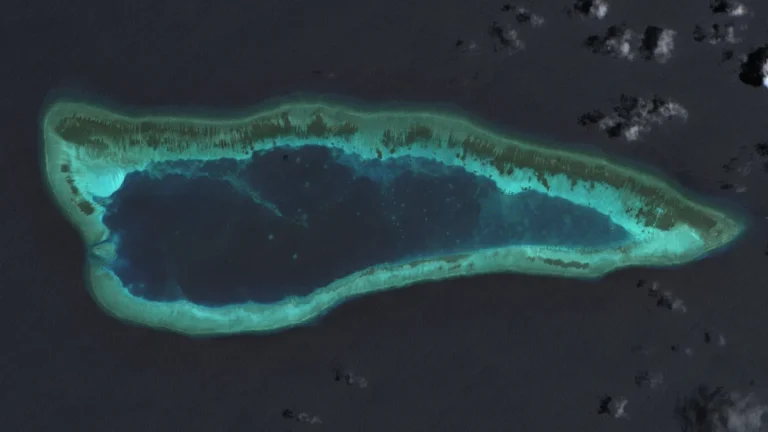
• Nuclear-linked iodine-129 detected in the West Philippine Sea

    Elevated concentrations of iodine-129 were detected in seawater samples collected recently from the West Philippine Sea during a nationwide marine radioisotope survey conducted by the University of the Philippines Marine Science Institute. The concentrations were higher than those measured in other Philippine marine areas, despite the Philippines having no active nuclear power plant or nuclear weapons program.

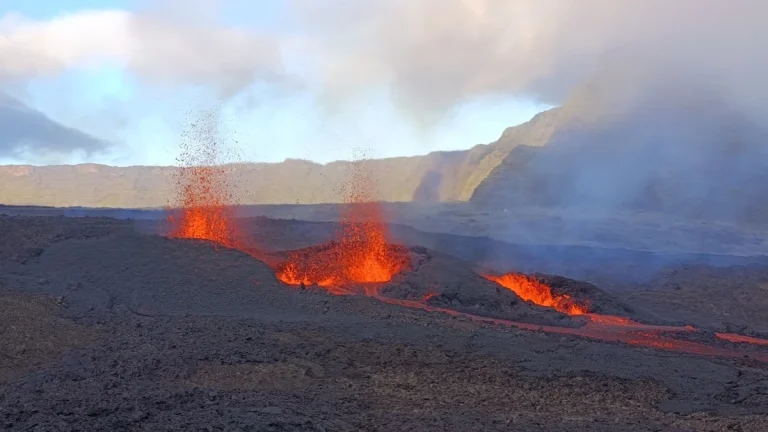
  • Piton de la Fournaise enters new effusive phase inside Enclos Fouqué caldera, La Réunion

    Piton de la Fournaise volcano on La Réunion entered a new eruptive phase at 19:42 LT (16:42 UTC) on January 18, 2026, after a strong seismic crisis and rapid ground deformation. The eruption is effusive, producing lava flows from fissures on the northern flank inside the Enclos Fouqué caldera. This is the first eruption at Piton de la Fournaise since August 2023.

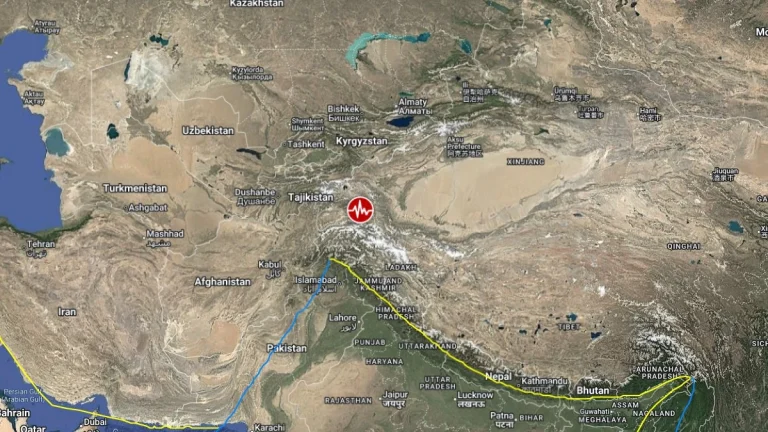
  • Shallow M5.6 earthquake hits Gilgit-Baltistan region, Pakistan

    A shallow earthquake registered by the USGS as M5.6 (downgraded from M5.9) struck near Barishal, Gilgit-Baltistan, Pakistan at 06:21 UTC on January 19, 2026. The agency is reporting a depth of 35 km (21.7 miles). EMSC is reporting M5.7 at a depth of 31 km (19.3 miles).

  • Snow squalls create hazardous travel conditions across Ohio and Pennsylvania

    Snow squalls continued through the Saturday afternoon, January 17, 2026, across parts of Ohio and Pennsylvania as an Arctic cold front advanced eastward from the Midwest into the Interior Northeast. The National Weather Service warned of sudden whiteout conditions, gusty winds, and rapidly deteriorating visibility, creating dangerous travel for motorists.