• NWS data show heavy snow and significant ice from the January 2026 U.S. winter storm

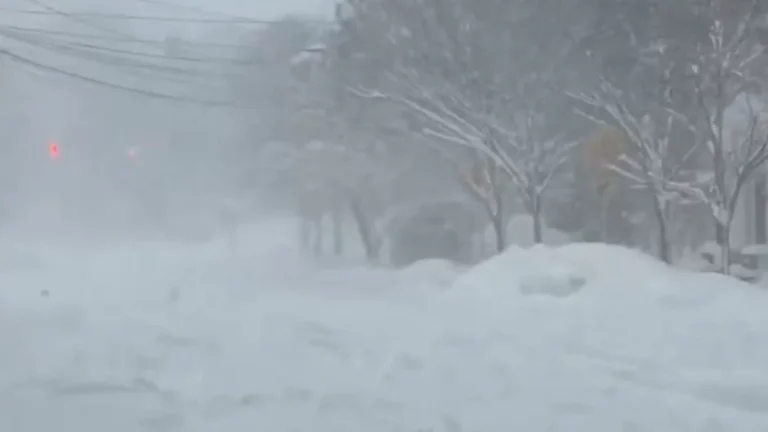
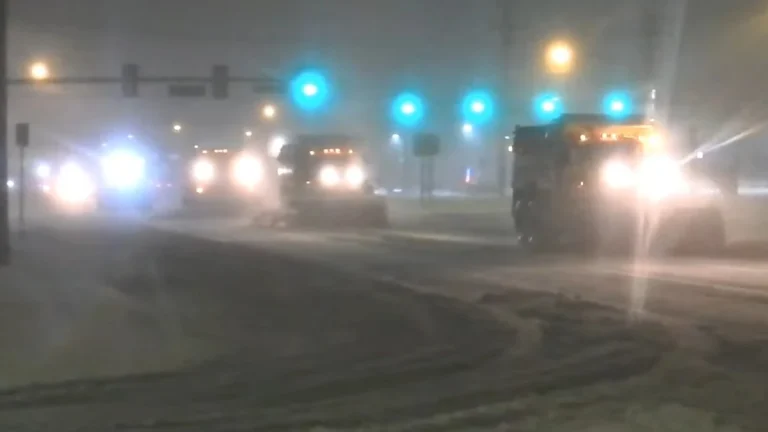
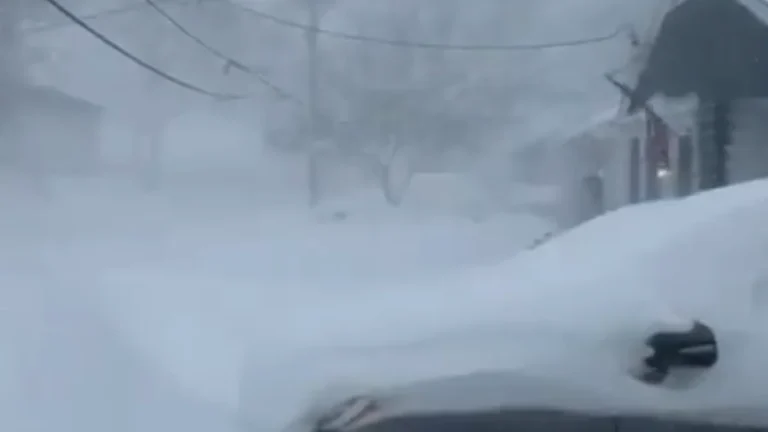
    Official data from the National Weather Service Weather Prediction Center (WPC) confirms widespread snow, sleet, and freezing rain accumulations across large portions of the United States during the January 23–26, 2026, winter storm. Preliminary data show snowfall exceeded 50 cm (20 inches) in parts of New England and the interior Northeast, while ice accretions reached 25 mm (1 inch) across portions of the Carolinas and northern Georgia. The system’s departure early on January 26 ended four days of significant winter weather affecting more than a dozen states.

  • Toronto Pearson sets all-time daily snowfall record as January 2026 becomes snowiest month since records began, Canada

    A powerful winter storm delivered record-breaking snowfall across Toronto, Ontario, Canada, on January 25, 2026, with 46 cm (18.1 inches) measured at Toronto Pearson International Airport as of 05:00 LT on January 26. This marks the highest single-day snowfall recorded since observations at the airport began in 1937. The event established new daily and monthly records for the site and caused widespread disruption across the Greater Toronto Area.

  • Major U.S. winter storm claims at least 24 lives in 14 states, leaves over 1 million customers without power

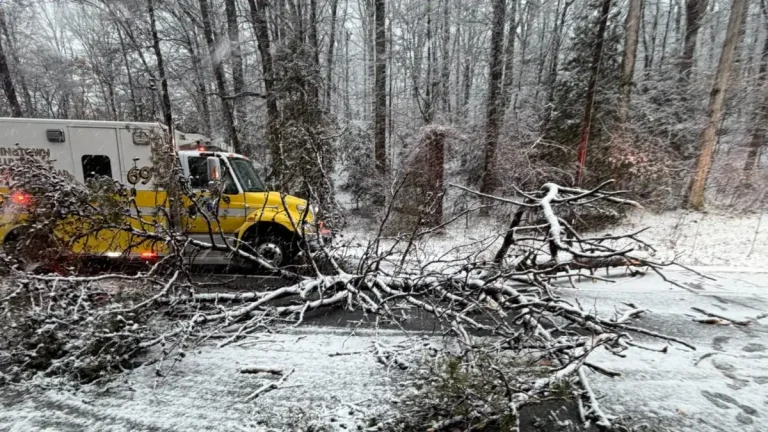
    A major winter storm swept across the eastern two-thirds of the U.S. over the weekend, claiming at least 24 lives as of Monday, January 26, 2026. Over a million customers, roughly 2.5 million people, were left without power as snowstorms hit the northern and northeastern regions, while freezing rain and ice storms wreaked havoc in the south. States of emergency have been declared across multiple regions as the storm’s impacts linger.

  • Victorians urged to evacuate as massive fire burns through the Otways, Australia

    A large out-of-control bushfire burning near Carlisle River and Gellibrand in Victoria’s Otways region has forced authorities to issue evacuation warnings for more than 1 100 properties. The fire, which started west of Gellibrand on January 10, has burned approximately 9 400 ha (23 200 acres) of forest and farmland by Monday afternoon (LT) January 26, 2026. Emergency Victoria urged residents and visitors in affected towns to leave before sunset due to forecast catastrophic fire conditions expected on January 27.

  • Episode 41 eruption at Kīlauea produces 480 m (1 575 feet) fountains, tephra reaches Hilo and Puna, Hawaii

    Episode 41 of Kīlauea’s ongoing Halemaʻumaʻu eruption began at 11:10 HST (21:10 UTC) on January 24, 2026, producing lava fountains up to 480 m (1 575 feet) high and the broadest verified tephra dispersal of the current summit eruption sequence. Fine ash and Pele’s hair were carried by easterly winds to communities as far as Hilo and coastal Puna, while coarse fragments up to 30 cm (1 foot) fell near the vent. The eruption ended abruptly after about eight hours of activity.

  • Stratospheric warming developing over the Arctic forecast to weaken the polar vortex and influence February weather

    Meteorological forecasts show a major sudden stratospheric warming event forming over the Arctic, likely to cause significant weakening of the polar vortex in early February 2026. The resulting atmospheric disruption may alter jet-stream dynamics and increase the risk of Arctic air intrusions into North America and northern Europe during the second half of February.

  • Severe snowstorm leaves 11 dead in Afghanistan

    Heavy winter storms struck northern and central Afghanistan on Thursday, January 22, 2026, causing avalanches, building collapses, and road blockages across several provinces. At least 11 people were confirmed dead, with fatalities reported in Kandahar, Parwan, Bamyan, Maidan Wardak, Jawzjan, and Faryab.