• Researchers found evidence of warm periods in Arctic

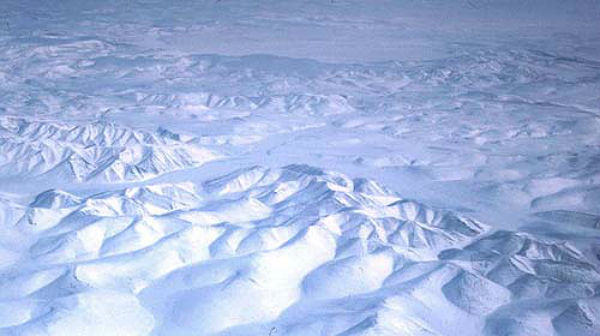
    Analytical results from the longest sediment core that has ever been drilled in the terrestrial areas of the Arctic have shown temperatures that were previously considered impossible for the Arctic Circle. In addition, a notable correlation of the warm periods in the

  • Start of Noctilucent Clouds season

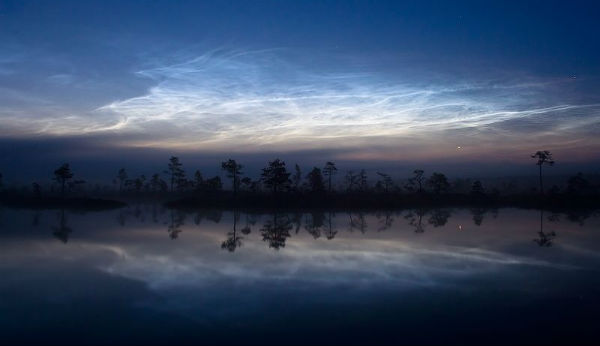
    Noctilucent clouds (NLCs) turn on every year in late spring, reaching almost full intensity over a period of no more than 5 to 10 days. These electric-blue ice clouds hang 85 km (53 miles ) above Earth’s surface, at the edge of space itself, circling the north and

  • New Low Pressure Area forming near Philippines

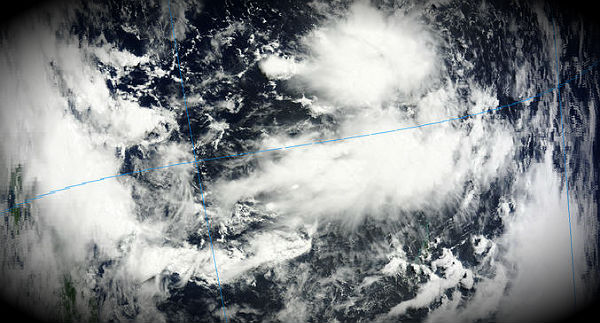
    According to PAGASA, the Active Low Pressure Area (ALPA) was estimated based on satellite and surface data at 930 km east of Borongan, Eastern Samar (11.8°N, 134.6°E). The other low pressure area east of Southern Luzon has now dissipated. JTWC reported winds at the

  • Yellowstone geysers became active again

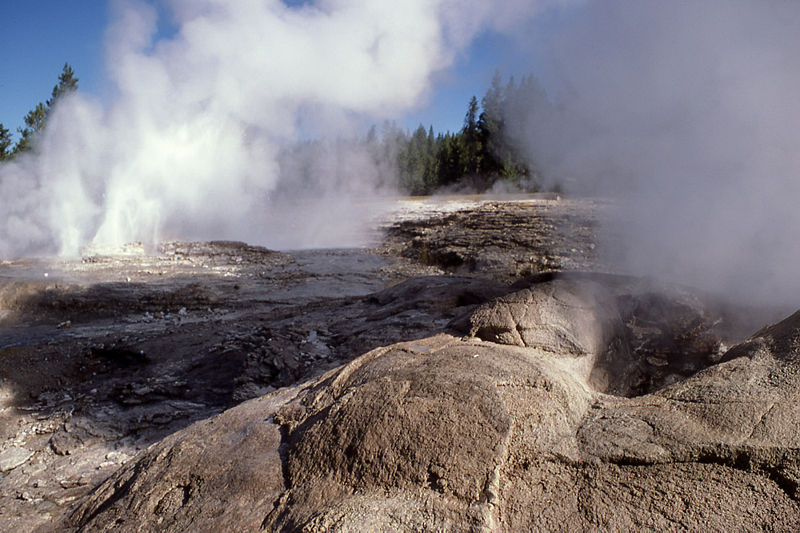
    According to article published in YellowstoneGate a handful of Yellowstone National Park geysers appear to be active again after periods of dormancy, including one geyser that last erupted almost two decades ago.Morning Geyser, quiet for 18 years, is now active,

  • Magnitude 6.1 earthquake hit near the east coast of Kamchatka

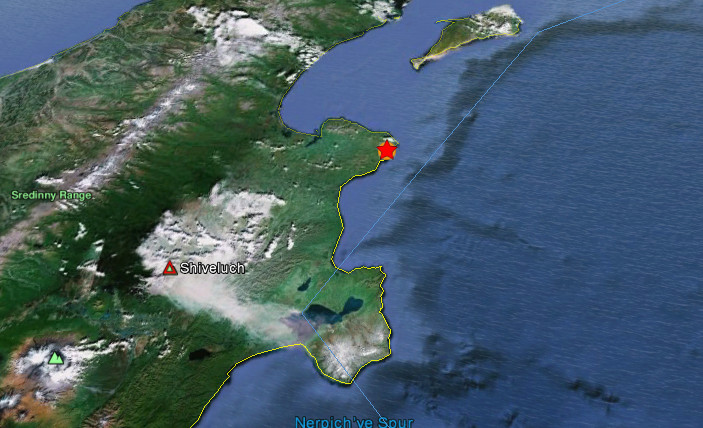
    Strong earthquake with magnitude 6.1 hit near the east coast of Kamchatka, Russia on June 24, 2012 at 03:15 UTC according to USGS. Epicenter was located 268 km (166 miles) SSW (192°) from Il’pyrskiy, Russia (57.601°N, 163.218°E). Recorded depth was 17.4 km (10.8

  • Constant lava emission at Guatemalan Fuego volcano continues

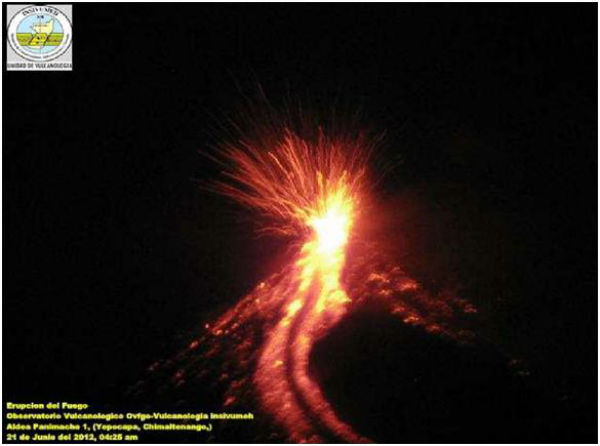
    Fuego volcano continues to produce lava flows and strong strombolian explosions. CONRED warned about possibly pyroclastic flows that could be generated by collapsing lava flow fronts and incandescent material rolling down the steep upper slopes of the volcano as has

  • Dust over Syria, Iran and Iraq

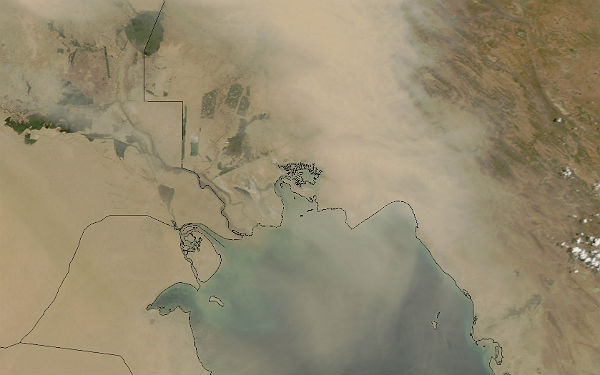
    The dust that blew over Syria and Iraq on June 18, 2012, continued its southeastward journey the following day. On June 19, the dust had spread to western Iran and the Persian Gulf. By the time MODIS acquired this image below, the satellite sensor could barely