• Strong M6.1 earthquake registered near Tonga

    A strong and deep M6.1 earthquake at a depth of 200 km (124 miles) was registered by Geoscience Australia near Tonga at 00:30 UTC on May 20, 2015. USGS registered it as M6.0 at a depth of 80.3 km (112.0 miles).According to the USGS, epicenter was located 128km (80mi) WN

  • Massive landslide hits Santa Margarita, northern Colombia

    At least 47 people have been killed after a massive landslide buried the small town of Santa Margarita around 08:00 UTC (03:00 local time) on Monday, May 18, 2015. According to media reports, heavy rain caused the river Liboriana to burst its banks setting off the lands

  • Severe weather outbreak across the US Plains and Midwest

    US Plains and Midwest are again experiencing severe weather outbreak. Preliminary reports mention at least 27 tornadoes on Saturday, May 16 (Oklahoma, Minnesota, Texas, Kansas, Missouri, Nebraska and Wyoming) and baseball-size hail.Severe thunderstorms are expected acro

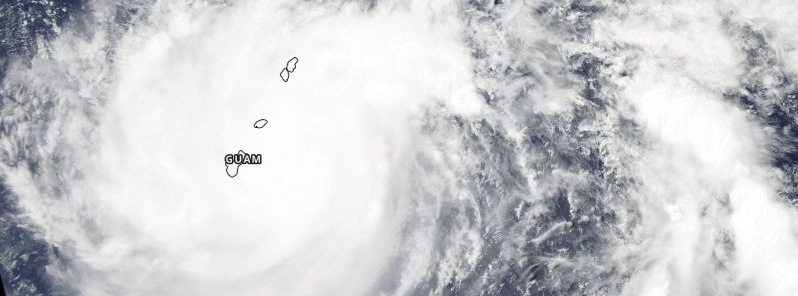
  • Dolphin becomes Super Typhoon after passing Guam

    Typhoon "Dolphin" passed through the Rota Channel between Guam and Rota on May 15, 2015 forcing more than 1 100 people to seek cover in shelters. It was packing maximum winds of about 177 km/h (109 mph) taking down trees, power lines and grounding flights on

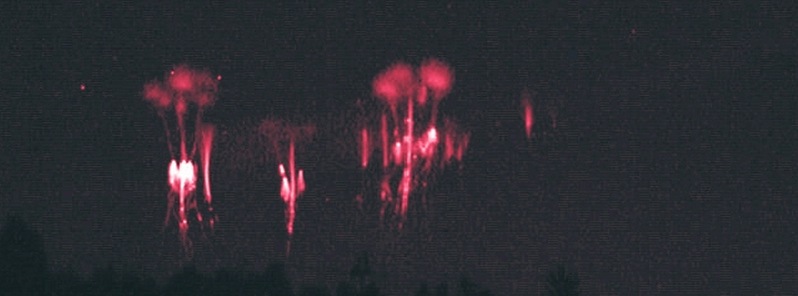
  • Sprite season begins in northern hemisphere

    Sprite season – spectacular, eerie flashes of colored lights that appear high above the tops of powerful thunderstorms – is underway, SpaceWeather reports. Because sprites are associated with thunderstorms, they tend to occur in late spring and summer. "Sprites…

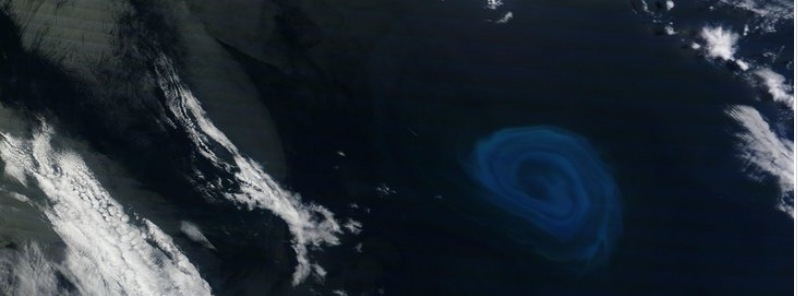
  • ‘Dead zones’ found in Atlantic open waters

    A team of German and Canadian researchers have discovered areas with extremely low levels of oxygen in the tropical North Atlantic, several hundred kilometres off the coast of West Africa. The levels measured in these ‘dead zones’, inhabitable for most

  • Study shows Antarctic ice shelf is thinning from above and below

    A decade-long scientific debate about what’s causing the thinning of one of Antarctica’s largest ice shelves has now been settled, European Geosciences Union (EGU) reports. The Larsen C Ice Shelf – whose neighbours Larsen A and B collapsed in 1995 and