• Global SAR arc outbreak: Geomagnetic storm leads to rare SAR arc sightings across the globe

    On November 5, 2023, observers across the globe were treated to a striking light show, courtesy of a G3 – Strong geomagnetic storm. This solar event was powerful enough to push the typically high-latitude auroras into lower latitudes, with sightings as far south as Texas and Arizona in the United States, as well as in European countries like Italy and Greece. Sightings were also reported in Australia and New Zealand.

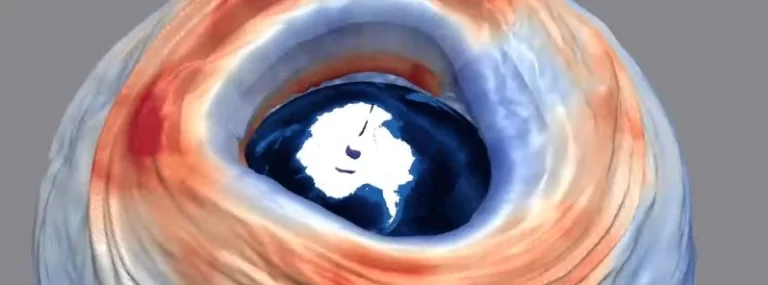
  • Ozone hole over Antarctica soars to one of its largest sizes on record, Hunga Tonga eruption possible cause

    On September 16, 2023, a significantly large ozone hole stretched over Antarctica, covering an area of 26 million km3 (10.04 million mi3), prompting a deeper look into the possible causes. The fluctuating size of the ozone hole is a yearly phenomenon, with a notable increase from August to October, and a decrease as temperatures in the southern hemisphere’s stratosphere rise towards the year’s end.

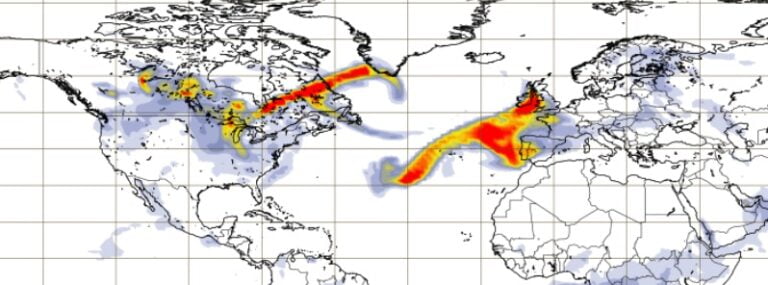
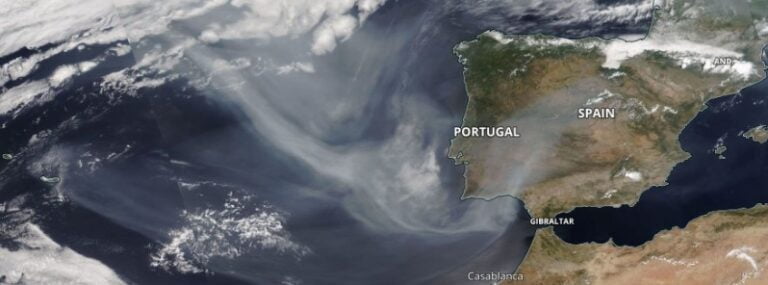
  • Transatlantic smoke: Europe experiences significant impact of Canadian wildfires

    Europe has experienced significant smoke transport from the intense wildfires that have been raging in Canada since May. The Copernicus Atmosphere Monitoring Service (CAMS) has been closely monitoring the situation, tracking active fire locations, fire radiative power, emissions, and forecasting the impacts of the resulting smoke on the atmosphere.

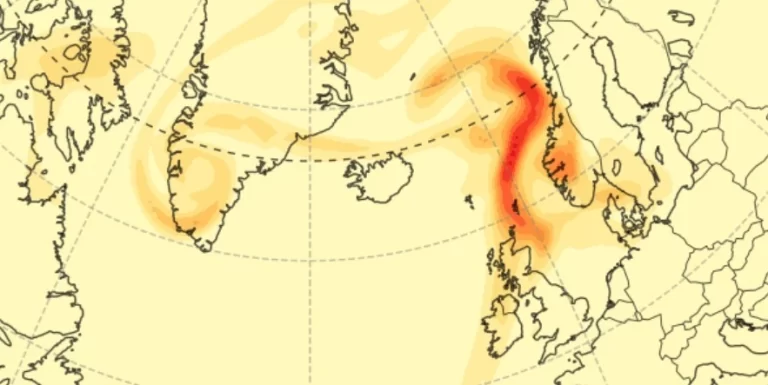
  • Stratospheric temperature rise signals weakened polar vortex and Arctic air outbreaks in the northern hemisphere

    The polar vortex, a large area of low pressure in the upper atmosphere that typically sits over the poles, is set to weaken as a sudden stratospheric warming (SSW) event unfolds in the northern hemisphere. This event has the potential to have a significant impact on winter weather, as it allows cold Arctic air to escape and cause outbreaks in Europe, Asia, Canada, and the United States.