The Watchers team and our contributors bring the latest on extreme weather, earthquakes, volcanic eruptions, space weather, and all things science. We're all about making sense of the natural world and keeping you informed on what’s happening. Got a tip or a question? Hit us up using the form at newstips!

  • Editing the human genome one letter at a time

    Scientists at the Gladstone Institutes have found a way to efficiently edit the human genome one letter at a time. The discovery is boosting researchers' ability to model human disease, and paving the way for therapies that cure disease by fixing these
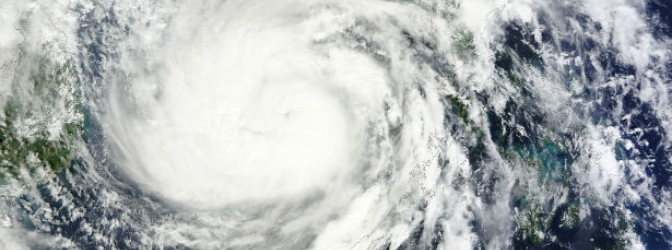
  • Global warming actually decreases storm activity, says science paper

    Current weather patterns are changing, we are constantly told by everyone from President Obama during his most recent State of the Union Address on down through various academic circles. And few of us dispute that; weather, after all, changes over time, as

  • Hawking still in the dark on black holes

    In a new online paper titled Information Preservation and Weather Forecasting for Black Holes, the 72-year-old scientist Stephen Hawking says, "There are no black holes — in the sense from which light can't escape to infinity."

    The

  • Studies find new links between sleep duration and depression

    A genetic study of adult twins and a community-based study of adolescents both report novel links between sleep duration and depression. The studies are published in the February 1 issue of the journal Sleep.

    "Healthy sleep is a necessity for physical,

  • Greenland’s fastest glacier reaches record speeds – Jakobshavn Glacier

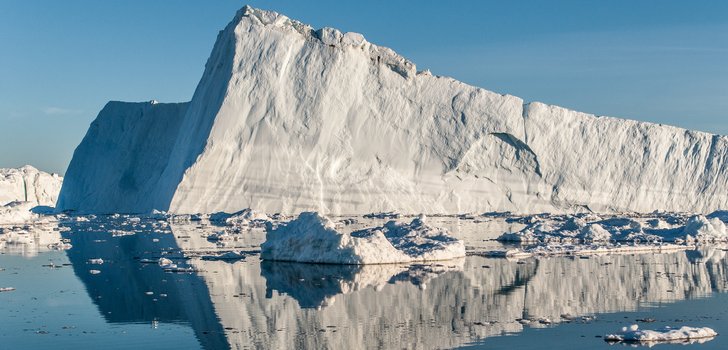
    Jakobshavn Isbræ (Jakobshavn Glacier) is moving ice from the Greenland ice sheet into the ocean at a speed that appears to be the fastest ever recorded. Researchers from the University of Washington and the German Space Agency (DLR) measured the dramatic speeds

  • Our changing climate and the variable Sun

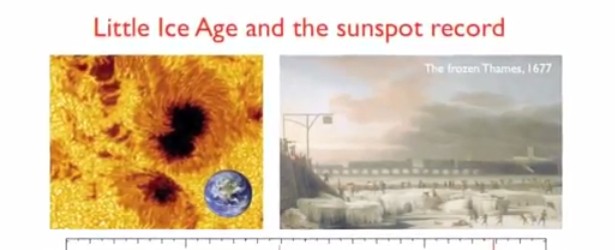
    Solar physicists around the world today are wondering: has the Sun fallen silent? In 2013, the Sun began the peak phase of its 11-year sun spot cycle called the Solar Maximum when sunspot production should be at its highest. However, the lack of sunspot activity has

  • Asteroid diversity points to a "snow globe" solar system

    Our solar system seems like a neat and orderly place, with small, rocky worlds near the Sun and big, gaseous worlds farther out, all eight planets following orbital paths unchanged since they formed.

    However, the true history of the solar system is more riotous.

  • Unique brain area linked to higher cognitive powers

    Oxford University researchers have identified an area of the human brain that appears unlike anything in the brains of some of our closest relatives.

    The brain area pinpointed is known to be intimately involved in some of the most advanced planning and

  • Intuitive number games boost children's math performance

    A quick glance at two, unequal groups of paper clips (or other objects) leads most people to immediately intuit which group has more. In a new study, researchers report that practicing this kind of simple, instinctive numerical exercise can improve children's

  • Agent Orange linked to skin cancer risk

    Vietnam War veterans with prior exposure to the herbicide Agent Orange may be at higher risk for certain types of skin cancer, suggests a report in the February issue of Plastic and Reconstructive Surgery®, the official medical journal of the American