The Watchers team and our contributors bring the latest on extreme weather, earthquakes, volcanic eruptions, space weather, and all things science. We're all about making sense of the natural world and keeping you informed on what’s happening. Got a tip or a question? Hit us up using the form at newstips!

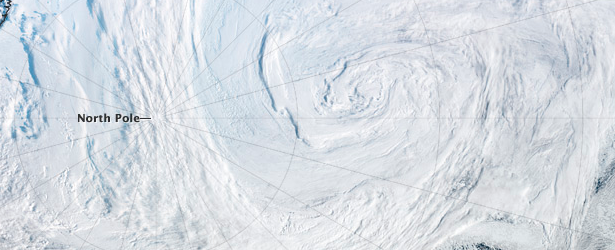
  • Increase in Arctic cyclones linked to climate change, new study shows

    Winter in the Arctic is not only cold and dark, it is also storm season when hurricane-like cyclones traverse the northern waters from Iceland to Alaska. These cyclones are characterized by strong localized drops in sea level pressure, and as Arctic-wide decreases in
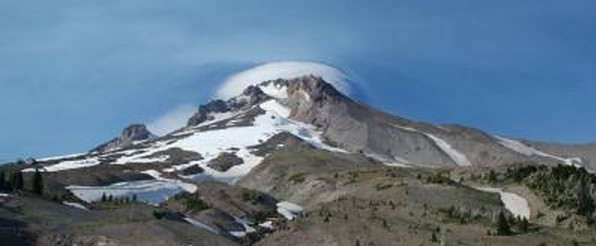

  • Volcanoes, including Mt. Hood, can go from dormant to active quickly

    A new study suggests that the magma sitting 4-5 kilometers beneath the surface of Oregon's Mount Hood has been stored in near-solid conditions for thousands of years, but that the time it takes to liquefy and potentially erupt is surprisingly short – perhaps

  • Cassini gets a 360-degree view of Saturn's auroras

    While Hubble Space Telescope, orbiting around Earth, was able to observe the Saturn's northern auroras in ultraviolet wavelengths, Cassini spacecraft, orbiting around Saturn, got complementary close-up views in infrared, visible-light and ultraviolet

  • Rewriting the text books: Scientists crack open 'black box' of development

    We know much about how embryos develop, but one key stage – implantation – has remained a mystery. Now, scientists from Cambridge have discovered a way to study and film this 'black box' of development. Their results – which will lead to the

  • From artificial to natural, the food industry makes a major shift

    Extracts from algae, rosemary and monk fruit could soon replace synthetic ingredients and food additives such as Blue No. 1, BHT and aspartame that label-conscious grocery shoppers are increasingly shunning.

    Research is enabling this shift from artificial colors,

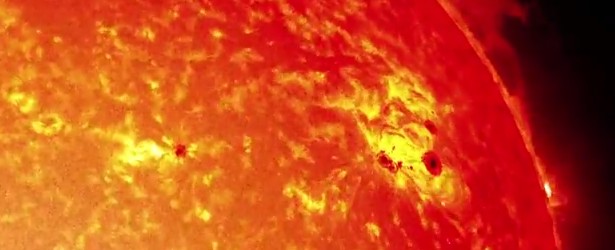
  • Solar Dynamics Observatoy (SDO) – Year 4

    NASA's Solar Dynamics Observatory (SDO), launched on February 11, 2010, keeps a 24-hour eye on the entire disk of the Sun, with a prime view of the graceful dance of solar material coursing through the Sun's atmosphere, the corona. The

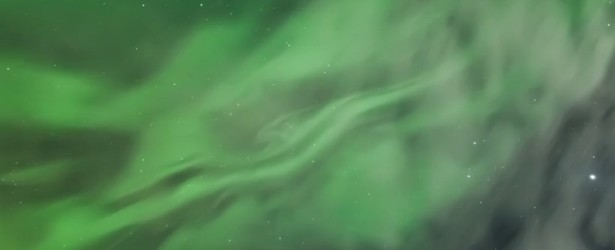
  • Sky Dance – Time-lapse video by InFocus Imagery

    Found a little bit of Aurora on Februaty 8/9, 2014. There was a very subdued show. Conditions on Friday were blowing snow, -22 deg C with a 15 km/h wind from the north. I thought that was pretty cold until I headed out again on Saturday night when it was crystal clear