The Watchers team and our contributors bring the latest on extreme weather, earthquakes, volcanic eruptions, space weather, and all things science. We're all about making sense of the natural world and keeping you informed on what’s happening. Got a tip or a question? Hit us up using the form at newstips!

  • Most detailed map of ‘super Earth’ reveals a lava planet

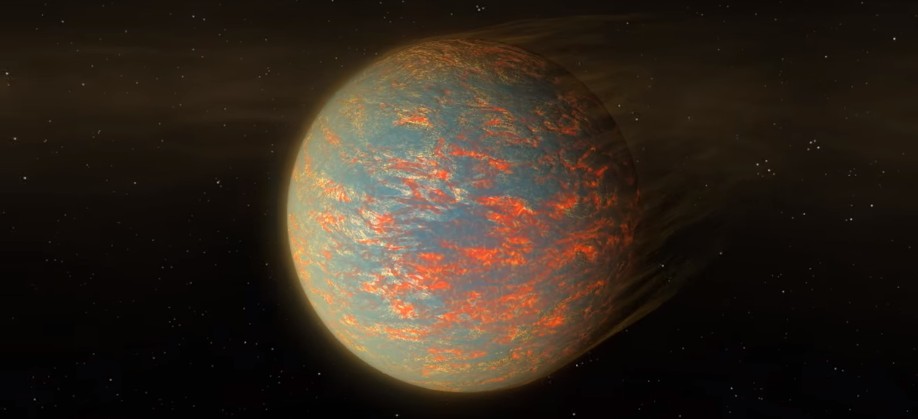
    An international team of astronomers, led by the University of Cambridge, used data from NASA’s Spitzer Space Telescope and obtained the most detailed ‘fingerprint’ of a rocky planet outside our solar system to date. They found a planet of two…

  • Study links periodic mass extinctions to “Planet X”

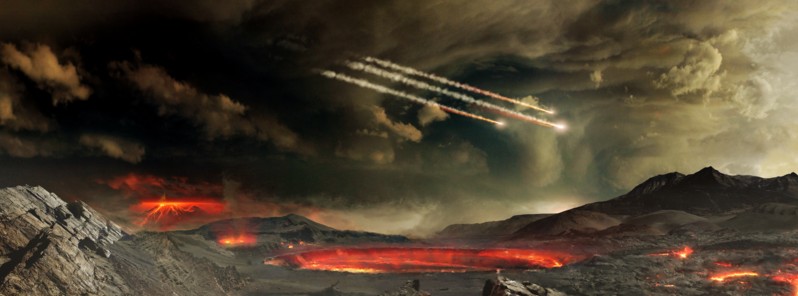
    According to research published by a faculty member of the University of Arkansas Department of Mathematical Sciences, Daniel Whitmire, periodic mass extinctions on Earth, as indicated in the global fossil record, could be linked to a suspected ninth planet. …

  • 2016 Arctic sea ice sets another record low wintertime maximum extent

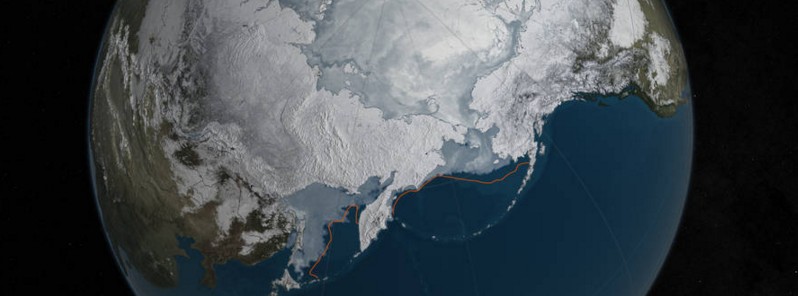
    According to scientists at the National Snow and Ice Data Center (NSICD) and NASA, the 2016 Arctic sea ice appears to have reached a record low wintertime maximum extent for the second year in a row. On March 24, Arctic sea ice extent peaked at 14.52 million square…

  • 1.4 billion people face severe risks in South Asia

    According to research released this week by risk analysis and research company Verisk Maplecroft, 1.4 billion people in South Asia, 81% of the region’s population, are acutely exposed to at least one type of natural hazard and live in areas considered to have…

  • Monitoring volcanoes using ASTER satellite imagery

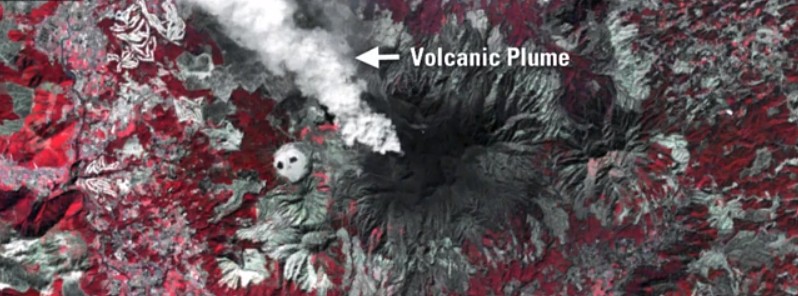
    The Advanced Spaceborne Thermal Emission and Reflection Radiometer (ASTER) sensor is one of five sensors on board NASA's Terra satellite. ASTER data and imagery are crucial tools for monitoring volcanoes for any clues of imminent eruptions, for studying…

  • Earth’s moon wandered off axis billions of years ago

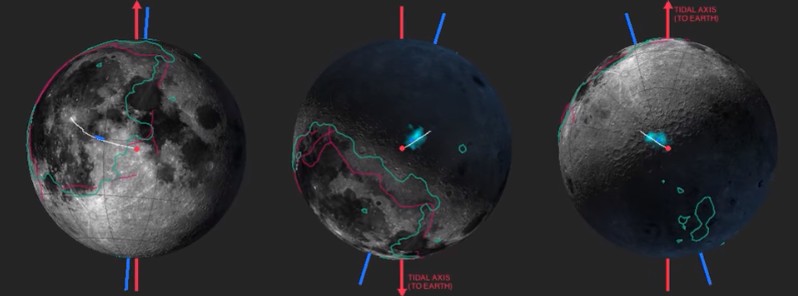
    Planetary scientist Matt Siegler at Southern Methodist University, Dallas, and colleagues discovered that Earth's moon slowly moved from its original axis roughly 3 billion years ago. The move would be as if Earth's axis relocated from Antarctica to…