I am an Assistant Editor and Severe Weather & Science Journalist at The Watchers, specializing in real-time severe weather coverage, geophysical event reporting, and research-driven scientific analysis. You can reach me at rishav(at)watchers(.)news.

  • Destructive storms hit Ecuador, claiming at least 10 lives

    On June 16, 2024, a catastrophic landslide in Baños, Ecuador, claimed the lives of at least eight people, leaving many more injured, and several missing. The disaster followed days of torrential rain that destabilized a hillside, causing it to collapse and bury parts of the city under tonnes of mud and debris.

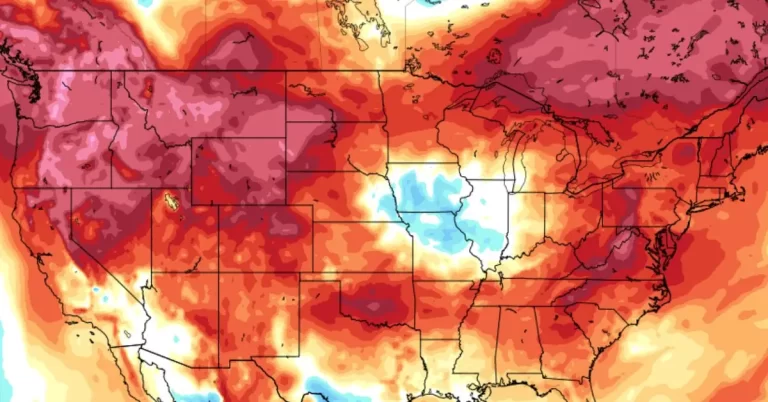
  • Record-breaking heat wave forecast from Midwest to Northeast, U.S.

    NWS Weather Prediction Center is forecasting record-breaking heat to expand from the Midwest and Great Lakes to the Northeast this week, potentially lingering through early next week. The duration of this heat wave is notable and potentially the longest experienced in decades for some locations.

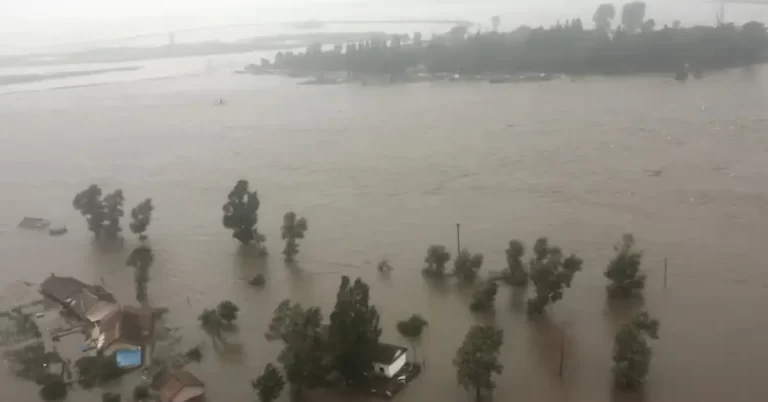
  • Extremely heavy rains hit Abidjan, causing deadly floods, Ivory Coast

    Severe flooding hit Ivory Coast’s largest city, Abidjan after heavy rains triggered devastating floods and landslides on Thursday, June 13, 2024. The floods caused widespread disruption, claiming the lives of at least 8 people, injuring at least 18, and overwhelming the city’s infrastructure. Unconfirmed reports on Monday, June 17, mention as many as 61 fatalities.

  • Earth’s inner core slowdown confirmed by seismic data

    A new scientific study proves that the Earth’s rotation speed has been decreasing throughout the past decade, with data suggesting that the rotational speed of the inner core has gotten 2.5 times slower compared to the past decade.

  • Epic solar storm impacts Mars

    May 2024 saw increased solar activity, leading to numerous significant events including a rare G5 – Severe geomagnetic storm and a powerful solar flare directed at Mars on May 20. This event, estimated at X12, sent X-rays, gamma rays, and charged particles toward the red planet, providing valuable data for future Mars missions.