I'm a dedicated researcher, journalist, and editor at The Watchers. With over 20 years of experience in the media industry, I specialize in hard science news, focusing on extreme weather, seismic and volcanic activity, space weather, and astronomy, including near-Earth objects and planetary defense strategies. You can reach me at teo /at/ watchers.news.

  • Strong M6.3 earthquake registered near Port-Vila, Vanuatu

    A strong earthquake measuring M6.3 on the Richter scale hit Vanuatu on July 8, 2014, at 12:56 UTC. USGS reports depth of 114 km (70.8 miles). Geosciece Australia is reporting M6.0 (Mwp) at depth od 100 km.Epicenter was located 13 km (8 miles) NNE of&

  • Strong and shallow M6.6 earthquake hit Papua New Guinea

    A strong and shallow earthquake measuring M6.6 on the Richter scale hit New Britain region, Papua New Guinea, on July 4, 2014, at 15:00 UTC. USGS reported depth of 10 km (6.2 miles). Geoscience Australia is reporting M6.6 at depth of 20 km.Epicenter was located&nbs

  • Noctilucent clouds outburst reported

    Sky watchers in Europe are reporting an outburst of bright noctilucent clouds (NLCs). The display began at sunset on July 3rd, filling northern horizons with electric-blue ripples, swirls, and tendrils of light.Morten Ross sent this picture to SpaceWeather.com from

  • Strong M6.2 earthquake hit Kermadec Islands, New Zealand

    A strong earthquake measuring M6.2 (Geonet) on the Richter scale hit Kermadec Islands region, New Zealand, on July 3, 2014, at 19:50 UTC. New Zealand's Geonet is reporting depth of 33 km. USGS reported M6.3 at depth of 20 km (12.4 miles).Epicenter was loca

  • Active volcanoes in the world: June 25 – July 1, 2014

    New activity/unrest was observed at 6 volcanoes from June 25 – July 1, 2014. Ongoing activity was reported for 12 volcanoes.New activity/unrest: Cleveland, Chuginadak Island (USA)  | Kusatsu-Shiranesan, Honshu (Japan)  | Nyamuragira, D

  • Night sky guide for July 2014

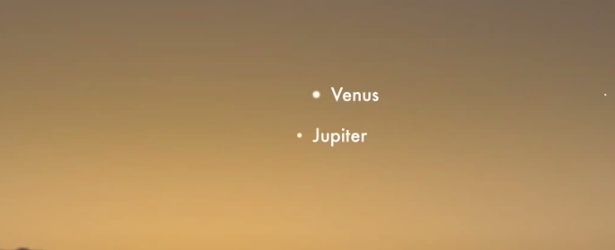
    July is the month when meteor activity starts to increase and continues into August. Several minor meteor showers during July and average Delta Aquarids on July 28/29 will introduce us to Perseids (August), one of the strongest meteor displays of the year