I'm a dedicated researcher, journalist, and editor at The Watchers. With over 20 years of experience in the media industry, I specialize in hard science news, focusing on extreme weather, seismic and volcanic activity, space weather, and astronomy, including near-Earth objects and planetary defense strategies. You can reach me at teo /at/ watchers.news.

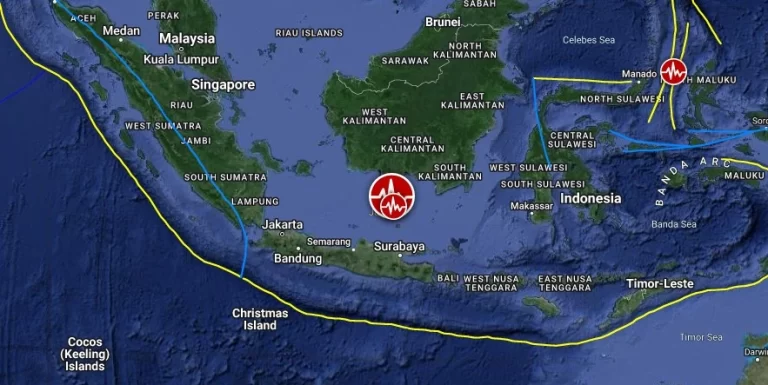
  • Strong and shallow M6.5 earthquake hits Java Sea, Indonesia

    A strong and shallow earthquake registered by the BMKG as M6.5 hit Java Sea, Indonesia at 08:52 UTC (15:52 LT) on March 22, 024. The agency is reporting a depth of 10 km (6.2 miles). USGS and EMSC are reporting M6.4 at a depth of 8.5 km (4.3 miles).

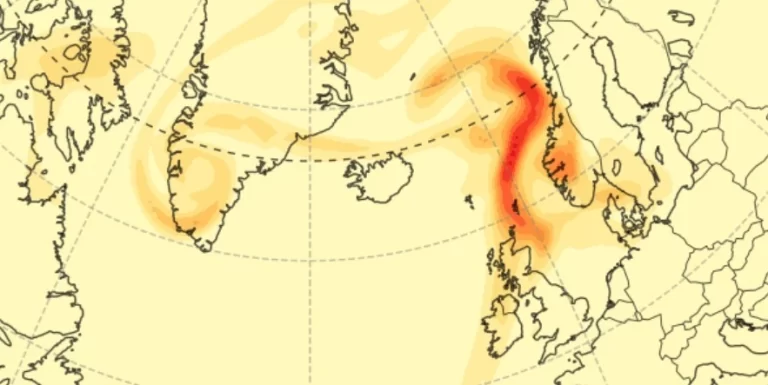
  • Volcanic sulfur dioxide emissions from Iceland reach continental Europe

    The volcanic eruption that started in Reykjanes Peninsula, Iceland on March 16, 2024, continues at a fairly constant rate, marking the most substantial activity in the region with four registered eruptions since December 2023. This event has caught the attention of the Copernicus Atmosphere Monitoring Service (CAMS) due to the large volumes of sulfur dioxide (SO2) released into the atmosphere.

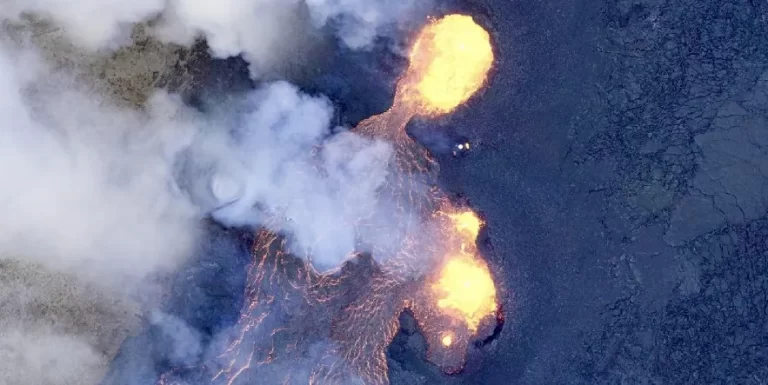
  • Fairly constant rate of eruption at Reykjanes, Iceland

    A fissure eruption that started on Reykjanes Peninsula, Iceland on March 16, 2024, continues at a fairly constant rate, with an average lava flow from the craters of about 14.5 m3 per second (512 feet3/s) from March 17 to 20. About 700 people at the Blue Lagoon spa and several in the town of Grindavík were evacuated within a 30-minute period after the start of the eruption.

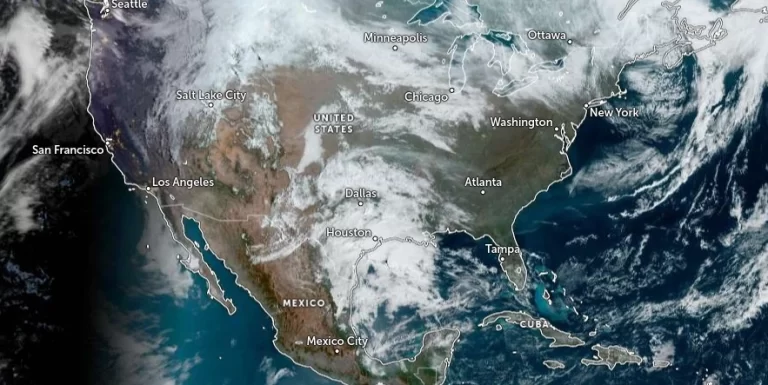
  • Series of strong weather systems target the United States

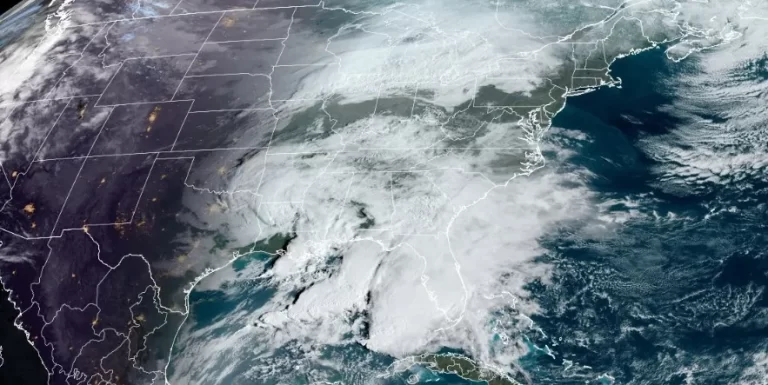
    A series of potent weather systems will impact the United States over the coming days, causing a wide array of severe conditions from heavy snowfall across the northern states to thunderstorms and potential severe weather in the southern regions. Travel disruptions and severe weather warnings have been issued for affected areas.

  • DART impact altered Dimorphos’ orbit and shape, proving asteroid deflection technique viable

    On September 26, 2022, NASA’s Double Asteroid Redirection Test (DART) mission made history by intentionally colliding with the asteroid Dimorphos, significantly altering both its orbital period and physical shape. This is the first time humanity has purposefully altered the motion of a celestial object, as well as the first full-scale demonstration of asteroid deflection technology.

  • Public meteorite hunt after large fireball streaks over New Zealand

    A very bright fireball was seen over Otago and Canterbury, New Zealand at 08:04 UTC (21:04 LT) on March 13, 2024. Analysis shows that some 0.5 km (1.1 pounds) of the object survived the entry and ended up scattered on the ground in MacKenzie Country. A public search for meteorites is scheduled for March 21.

  • WMO declares 2023 as the hottest year on record ahead of the Copenhagen Climate Ministerial

    The World Meteorological Organization (WMO) released its “State of the Global Climate 2023” report on March 19, 2024, confirming 2023 as the warmest year on record. The report is published ahead of the Copenhagen Climate Ministerial on March 21 and 22, where climate leaders and ministers from around the world will gather to push for accelerated climate action.