Large waterspout makes landfall in Okinawa, damaging several buildings, Japan
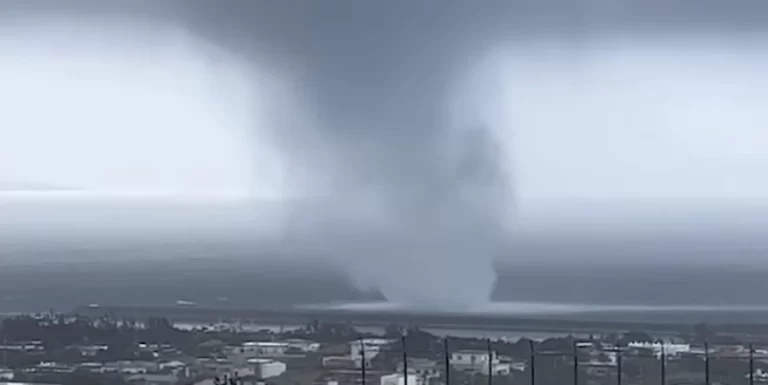
A large waterspout made landfall on the island of Ie in Japan’s Okinawa on March 5, 2024, damaging several buildings.

A large waterspout made landfall on the island of Ie in Japan’s Okinawa on March 5, 2024, damaging several buildings.

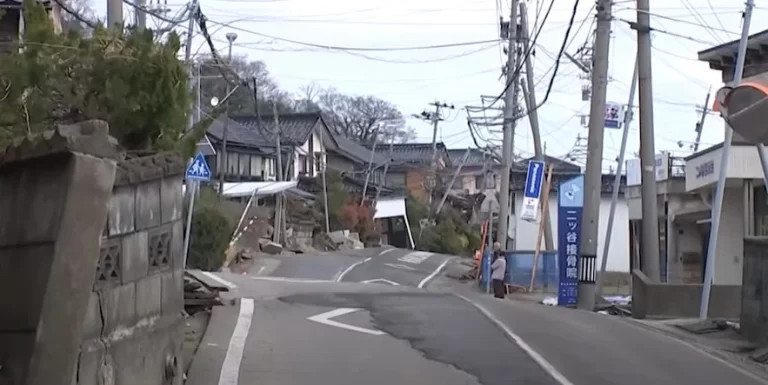
In the aftermath of the January 1 earthquake, the city of Wajima in Ishikawa Prefecture faces significant challenges due to liquefaction, severely impacting infrastructure and complicating relief efforts. Continuous aftershocks further hinder the restoration process, with houses, roads, and manholes notably affected. Governor Hiroshi Hase has requested a comprehensive investigation from the central government to address the escalating situation, emphasizing the need for seismic reinforcement of underground infrastructure.

A strong eruption took place at Sakurajima’s Minamidake crater at 09:33 UTC (18:33 LT) on February 14, 2024, producing a thick black ash column that rose up to 6 km (20 000 feet) above sea level accompanied by volcanic lightning. This is the strongest eruption at Sakurajima since 2020.

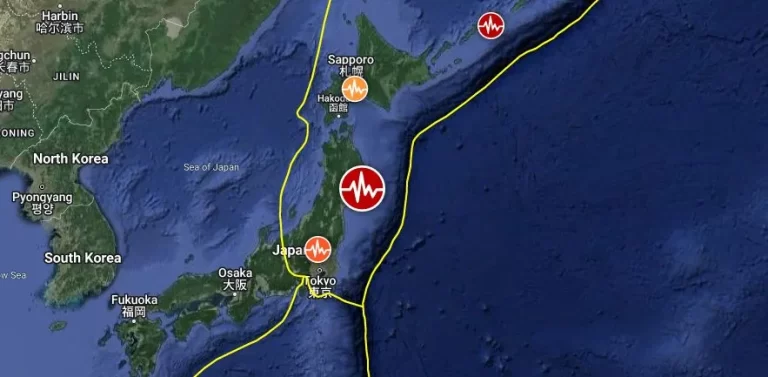
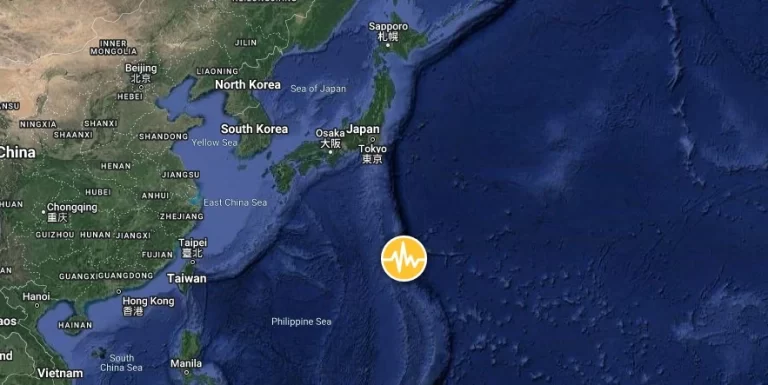
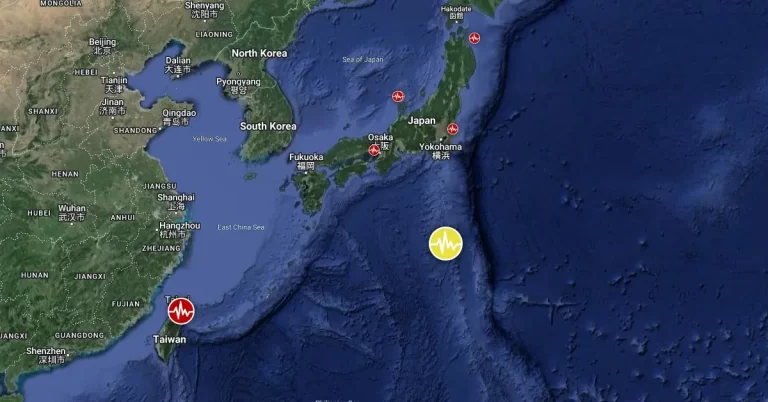
A strong earthquake registered by the JMA as M6.3 hit Volcano Islands, Japan at 11:19 UTC on February 12, 2024. The agency is reporting a depth of 260 km (161 miles). The USGS is reporting the quake as M6.1 at a depth of 250 km (155 miles); EMSC as M6.0 at a depth of 254 km (159 miles).

Heavy snowfall hit Japan’s capital, Tokyo (population 14 million), on Monday, February 5, 2024, injuring more than 130 people and causing traffic chaos. This is the first significant snowfall to hit Tokyo since February 2022 and the city’s first heavy snowfall warning this year.

A bright daylight meteor was recorded over Japan’ Kanto Region at 06:55 JST on January 15, 2024. The event was accompanied by a sonic boom.

The M7.6 earthquake that struck Japan’s Noto Peninsula on January 1, 2024, has caused significant changes in the coastal landscape, leaving at least 15 ports unusable and impacting local fisheries.

The Shika Nuclear Power Plant in Ishikawa Prefecture, Japan, experienced a 3 m (9.8 feet) tsunami waves after the M7.6 earthquake hit Noto Peninsula on January 1, 2024. While the plant sustained no major damage, the incident has raised concerns about nuclear safety, reminiscent of the Fukushima disaster.

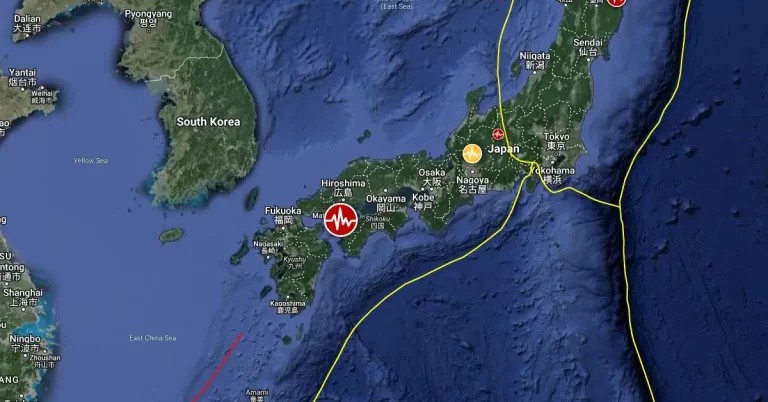
A strong and shallow earthquake registered by the JMA as M6.0 hit off the coast of Noto Peninsula, Japan at 08:59 UTC on January 9, 2024. The agency is reporting a depth of 10 km (6.2 miles). The USGS is reporting M5.9 at a depth of 10 km.

A powerful M7.6 earthquake centered in the Noto region of Ishikawa Prefecture, central Japan, on January 1, 2024, was followed by intense snowfall a week later, creating very hard conditions for survivors and complicating rescue efforts. On January 8, authorities reported 161 fatalities caused by the earthquake and 305 people missing.