Asteroid 2023 HH to fly past Earth at 0.3 LD on April 18
A newly-discovered asteroid designated 2023 HH will fly past Earth at a distance of 0.3 LD / 0.00096 AU (143 839 km / 89 280 miles) at 12:49 UTC on April 18, 2023.

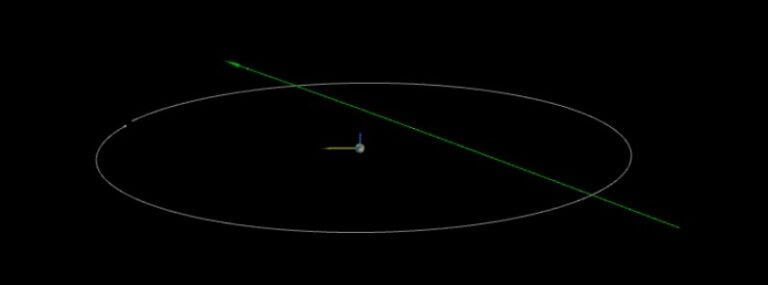
A newly-discovered asteroid designated 2023 HH will fly past Earth at a distance of 0.3 LD / 0.00096 AU (143 839 km / 89 280 miles) at 12:49 UTC on April 18, 2023.
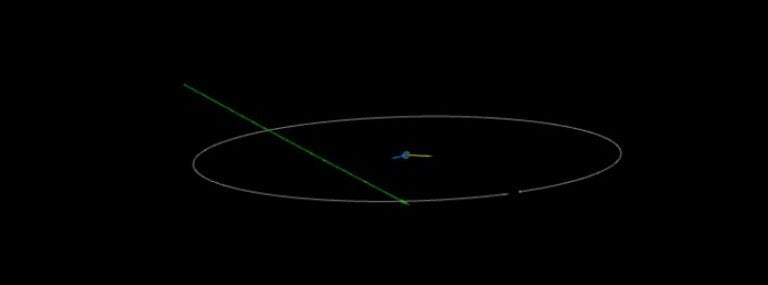
A newly-discovered asteroid designated 2023 HB flew past Earth at a distance of 0.5 LD / 0.00130 AU (195 073 km / 121 212 miles) at 06:58 UTC on April 17, 2023.
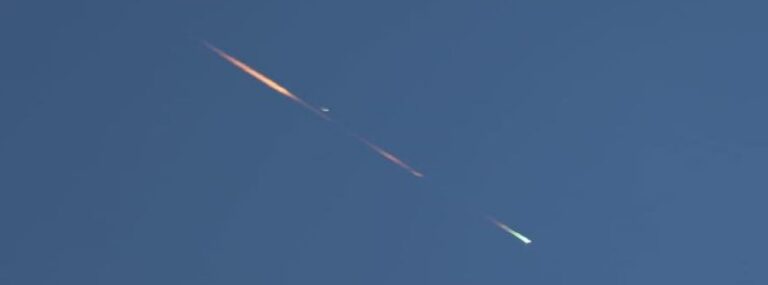
A bright daylight fireball was seen flashing across the sky over Israel around 14:16 UTC on April 16, 2023.

A bright daylight fireball exploded over Maine, U.S. at 15:52 UTC (11:52 EDT) on April 8, 2023, causing loud sonic booms and lighting up the daytime sky. Four radar sweeps recorded signatures consistent with falling meteorites, making this the first radar-observed meteorite fall seen in Maine.
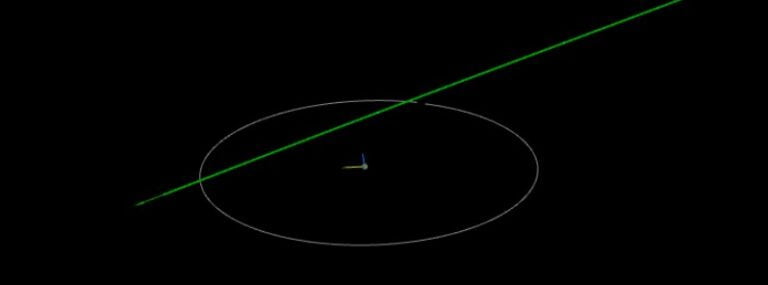
A newly-detected asteroid designated 2023 GQ flew past Earth at a distance of 0.35 LD / 0.00089 AU (133 880 km / 83 189 miles) at 11:35 UTC on April 11, 2023. This is the 20th known asteroid to fly past Earth within 1 lunar distance since the start of the year.
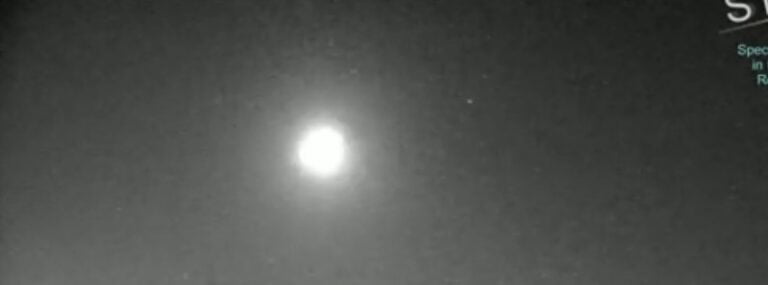
A fireball brighter than the full Moon was observed over Toledo, Spain at 19:28 UTC (21:28 LT) on April 2, 2023. Numerous casual eyewitnesses reported the event on social networks.

A notable meteor was seen from Puerto Rico at about 23:34 UTC (19:34 LT) on Monday, March 20, 2023, looking in an easterly direction.
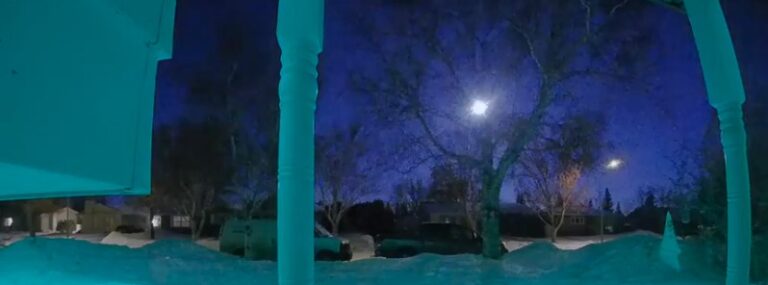
A bright fireball exploded over western Canada at 06:23 UTC on March 18, 2023.
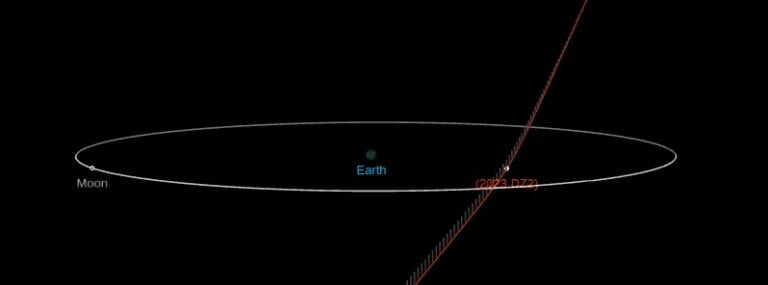
A newly-discovered asteroid designated 2023 DZ2 will fly past Earth at a distance of 0.4 LD / 0.00117 AU ( 175 029 km / 108 758 miles) from the center of our planet at 19:51 UTC on March 25, 2023.

A newly-discovered asteroid designated 2023 EY will fly past Earth at a distance of 0.6 LD / 0.0016 AU (239 356 km / 148 729 miles) at 11:39 UTC on March 17, 2023.
