Long-duration M4.6 solar flare erupts from AR 3190
Solar activity has reached moderate levels in 24 hours to 12:30 UTC on January 25, with a long-duration M4.6 flare peaking at 10:11 UTC today.

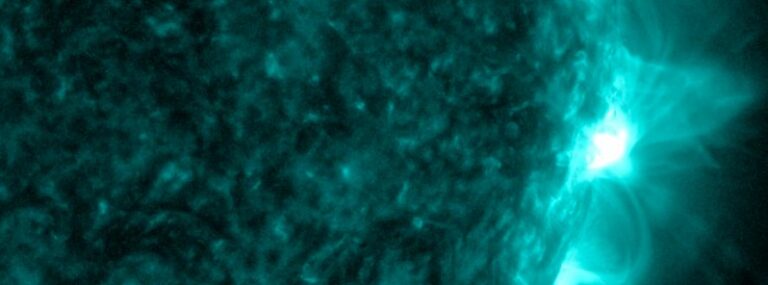
Solar activity has reached moderate levels in 24 hours to 12:30 UTC on January 25, with a long-duration M4.6 flare peaking at 10:11 UTC today.
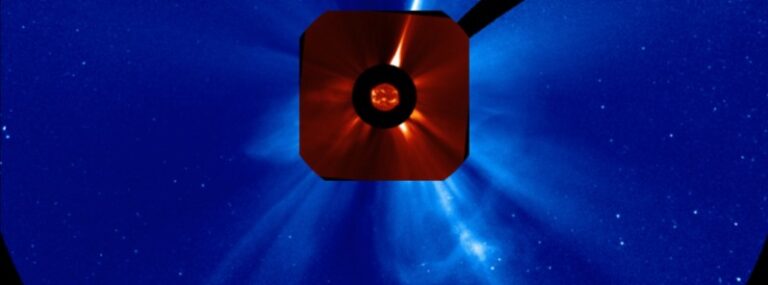
The period of January 9 to 15, 2023, was marked by intense solar activity, with numerous M and X-class flares being observed. The largest event of the period was an X1.9 flare on January 9, followed by an X1.0 on January 10. There were a total of 2 X-flares and 25 M-flares during the period but only two Earth-directed CMEs were observed from this flurry of activity.
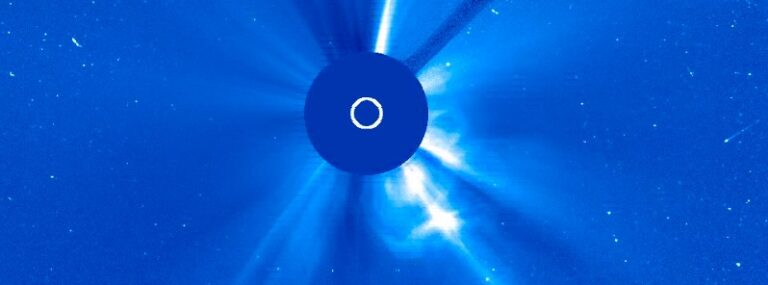
Solar activity reached high levels in the past 24 hours, with the strongest event being an M6.0 flare from Region 3191. This event was accompanied by a Type II radio sweep and a Coronal Mass Ejection (CME) signature, however, analysis and modeling indicate that no Earth-directed component was produced. A CME was also observed off the southwest limb at 22:00 UTC on January 14, with analysis and modeling suggesting the possibility of a glancing blow on January 19.
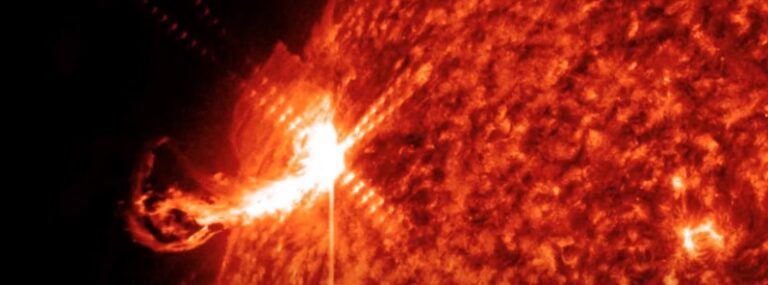
Solar activity is expected to remain moderate through January 13, with the continuing likelihood of M-class flares (70%) and a chance of X-class events (30%) due primarily to the combined flare probabilities of Regions 3181, 3182, 3184, and 3186.
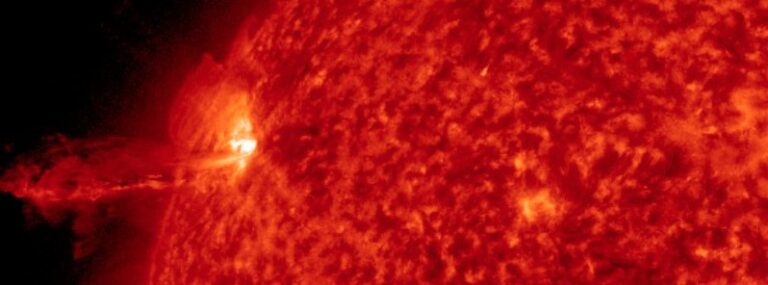
A major solar flare measuring X1.0 erupted from the newly-numbered Active Region 3186 on January 10, 2023. The event started at 22:39 UTC, peaked at 22:47 and ended at 22:52 UTC.

A major solar flare measuring X1.9 erupted from the newly-numbered Active Region 3184 on January 9, 2023. The event started at 18:37, peaked at 18:50, and ended at 18:57 UTC.

Solar activity increased over the past 4 days, with numerous C- and M-class solar flares and one X-class flare. With now geoeffective AR 3182, the source of the X1.2 solar flare on January 6, developing unstable ‘beta-gamma-delta’ magnetic configuration, the chances for more X-class solar flares have increased to 30%.
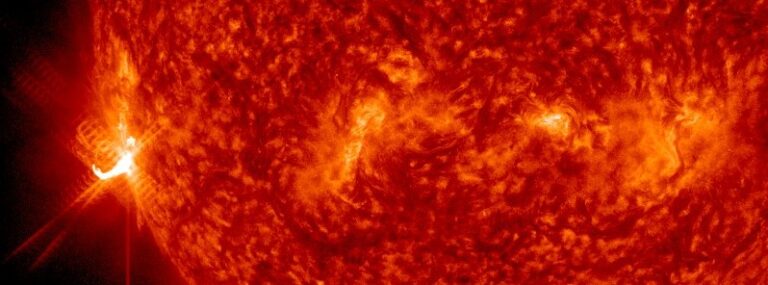
A major solar flare measuring X1.2 at its peak erupted from AR 3182 at 00:57 UTC on January 6, 2023. The event started at 00:43 UTC and ended at 01:07 UTC.
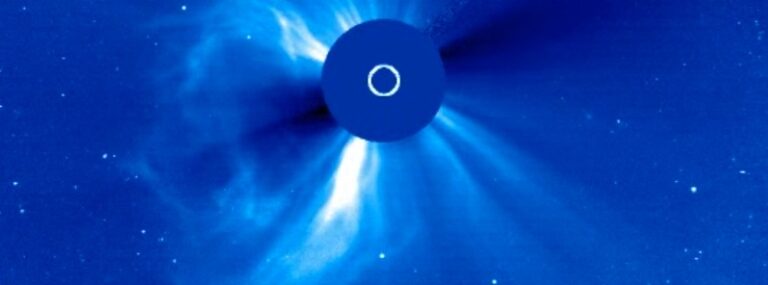
A large asymmetric partial halo CME was observed just beyond the east limb of the Sun at approximately 06:36 UTC on January 3, 2023.
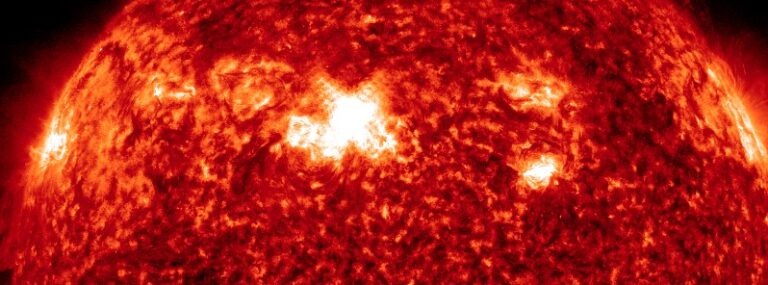
Geomagnetic storms reaching G1 – Minor levels are likely on January 4 and 5, 2023 due to combined effects of a coronal mass ejection (CME) that left the Sun on December 30 and coronal hole high speed stream (CH HSS) effects. Solar activity is expected to be at low levels, with a chance for M-class flares through January 28.
