• Prehistoric volcanic eruption leaves intercontinental footprint

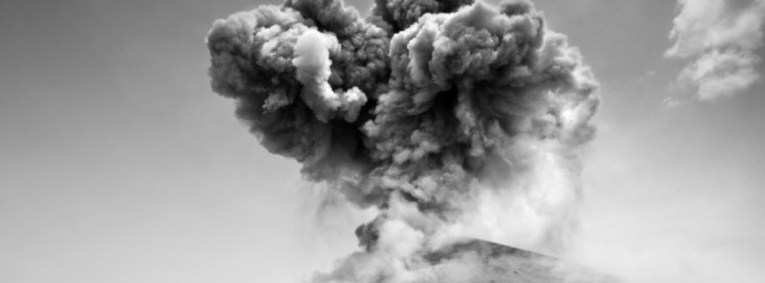
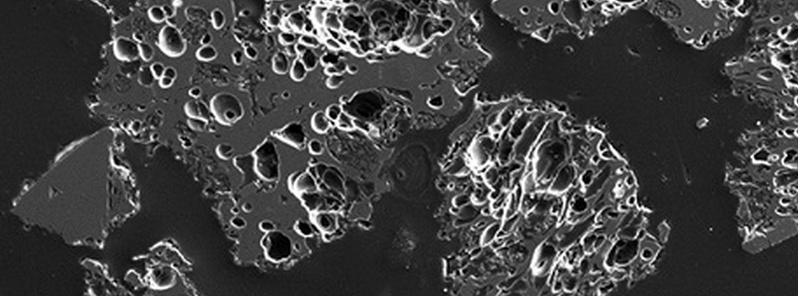
    A new study led by University of Alberta researchers has shown that a volcanic eruption 1 200 years ago scattered ash from Alaska to Europe – a discovery that will help researchers understand how future eruptions could affect the world.Britta Jensen and Duane Froese in
  • Groundwater chemistry as a precursor for earthquakes: The Iceland experience

    Even during ancient times, our predecessors have used numerous precursor signals for upcoming natural disasters. Groundwater chemistry is one of them and according to latest scientific researches it has been observed to change before earthquakes. Alasdair Skelton from

  • Finding hints of gravitational waves in the stars

    New model describes overlooked prediction of Einstein's theory of relativity, demonstrates that stars can absorb gravitational ripples.Scientists have shown how gravitational waves – invisible ripples in the fabric of space and time that propagate through the univer

  • Massive galaxies grow by eating their smaller neighbors

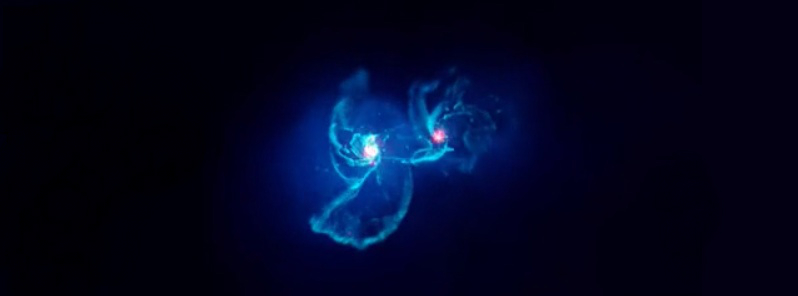
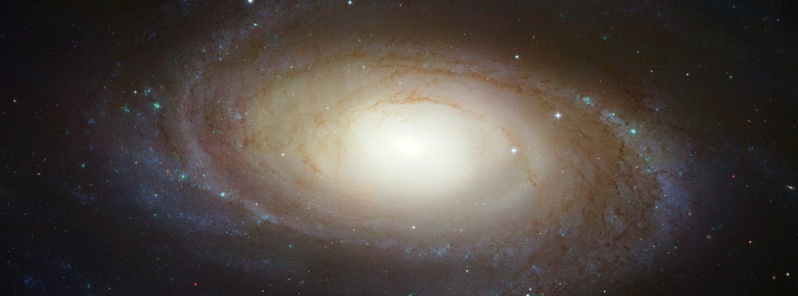
    Australian astronomers have found out that massive galaxies in the Universe have stopped making their own stars and are instead snacking on nearby galaxies. They looked at more than 22 000 galaxies and found that while smaller galaxies were very efficient at creating st

  • Mysterious volcanic eruption given light

    One of the biggest unknown volcanic eruptions" in the last 500 years has been given new light through the collaboration of Bristol University colleagues from the School of Earth Sciences, PhD student Alvaro Guevara-Murua, and Dr. Caroline Williams, from the Departm

  • British weather set to become more unsettled

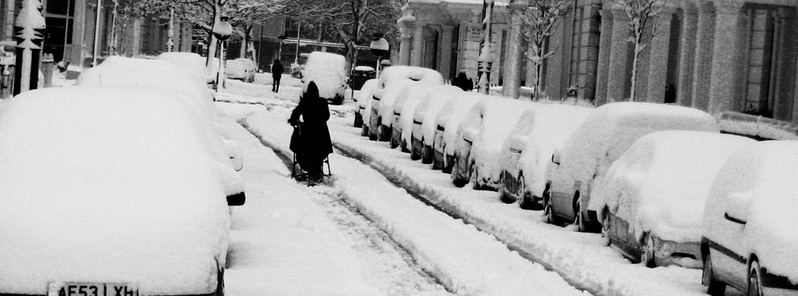
    British winters are becoming increasingly volatile due to extreme variations in pressure over the North Atlantic according to scientists from the University of Sheffield.The new research, published on September 9, 2014, in the International Journal of Climatology,

  • Scientists discover hazardous waste-eating bacteria

    Tiny single-cell organisms discovered living underground could help with the problem of nuclear waste disposal, say researchers involved in a study at The University of Manchester.Although bacteria with waste-eating properties have been discovered in relatively pristine

  • How many lakes are there in the whole world?

    Finland is called ‘the land of a thousand lakes’. On registration plates in Minnesota it says ‘10,000 lakes!’, and in Sweden there are about 100,000 lakes. But how many lakes are there in the whole world? New research from Uppsala University give