The Weekly Volcanic Activity Report: July 20 – 26, 2022
New activity/unrest was reported for 2 volcanoes from July 20 to 26, 2022. During the same period, ongoing activity was reported for 15 volcanoes.


New activity/unrest was reported for 2 volcanoes from July 20 to 26, 2022. During the same period, ongoing activity was reported for 15 volcanoes.
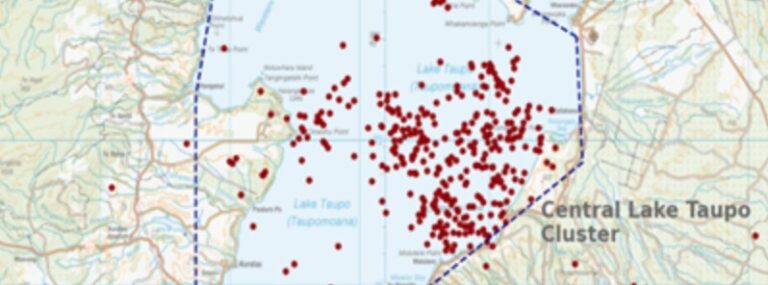
GeoNet is reporting an increase in earthquake activity under Lake Taupō since May 2022. Lake Taupō is a large caldera volcano, a special type of volcano that has rare but unusually large eruptions.
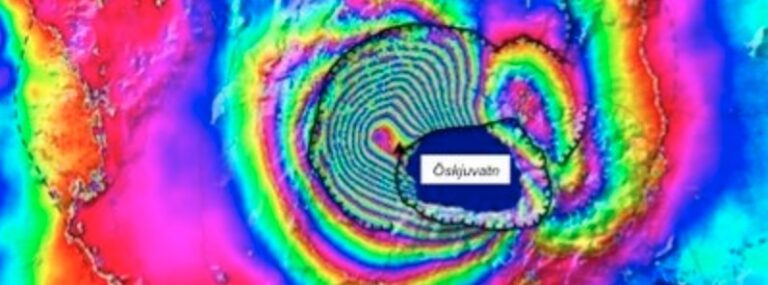
Scientists from the Institute of Geosciences, the Icelandic Met Office (IMO) and representatives of Iceland’s civil protection met on July 25, 2022, to discuss land changes and earthquakes at Askja volcano observed over the past few months.

Monitoring networks at Stromboli volcano recorded lava overflow from the volcano’s North crater area starting at 17:30 UTC on July 27, 2022.
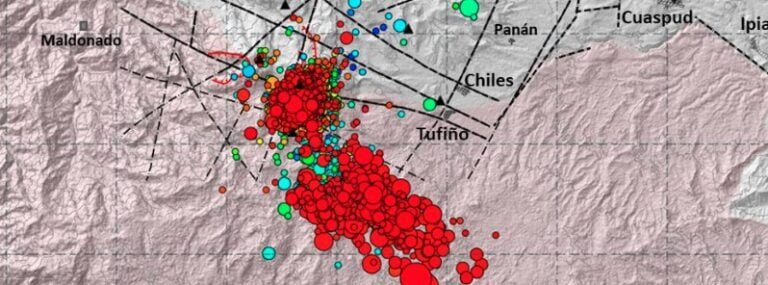
A new increase in seismic activity has been recorded in the area of the Chiles-Cerro Negro Volcanic Complex (CVCCN) and its surroundings since May 2022, which includes volcano-tectonic and long-period earthquakes which are now at more shallow depths than those recorded in previous years.
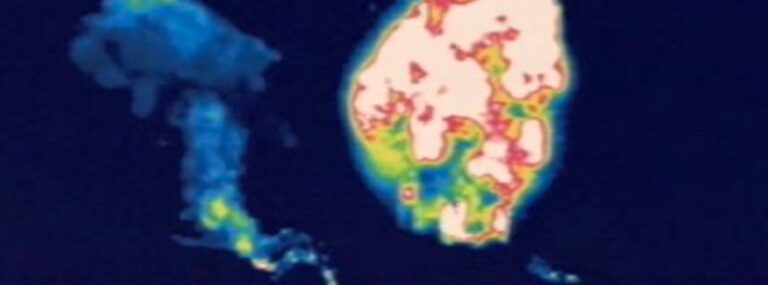
A series of explosions were registered at Stromboli volcano’s North crater area, starting at 02:56 UTC on July 25, 2022. The strongest explosion took place at 02:56:30 UTC.

A strong explosive eruption took place at Sakurajima volcano, Japan at 20:05 LT (11:05 UTC) on July 24, 2022, prompting the Japan Meteorological Agency (JMA) to raise the Volcanic Alert Level from 3 to 5 and urge residents living within 3 km (1.8 miles) from the volcano to evacuate.

Pavlof Volcano continues to erupt from the active vent on its east flank, just below the summit. The Aviation Color Code remains at Orange. Previous eruptions of Pavlof indicate that the level of unrest can change quickly and the progression to more significant eruptive activity can occur with little or no warning.

New activity/unrest was reported for 2 volcanoes from July 13 to 19, 2022. During the same period, ongoing activity was reported for 16 volcanoes.

The Hawaiian Volcano Observatory (HVO) has detected increased seismic activity beneath Kamaʻehuakanaloa (formerly known as Lōʻihi) seamount, south of the Island of Hawaiʻi over the past few days. The activity is likely the result of magma movement beneath Kamaʻehuakanaloa seamount and currently shows no sign of leading to an eruption. The last eruption at this volcano took place in 1996 (VEI 0).
