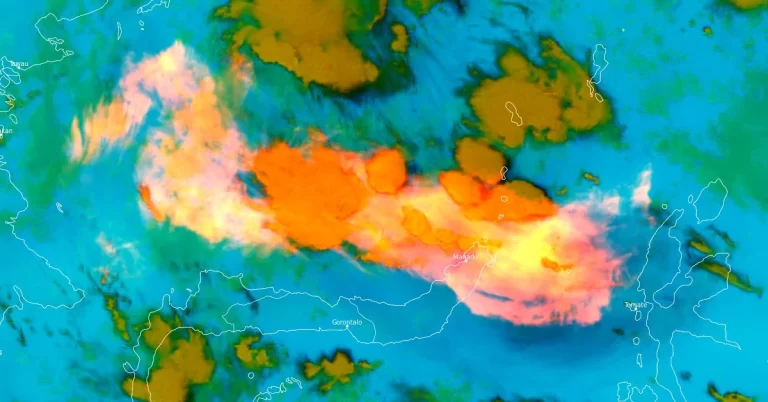
• Potential tsunami risk after major eruption at Ruang volcano, Indonesia

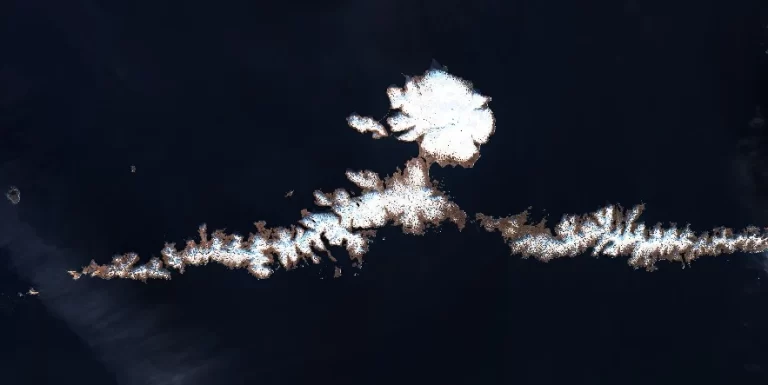
    Indonesia’s Ruang volcano in North Sulawesi experienced several violent eruptions on April 16 and 17, 2024, forcing authorities to raise the Alert Level to 4 of 4 and warn nearby residents there is a potential of a tsunami if parts of the volcano collapse into the sea, similarly to what happened in 1871. The last eruptive episode at this volcano was in September 2002 (VEI 4).
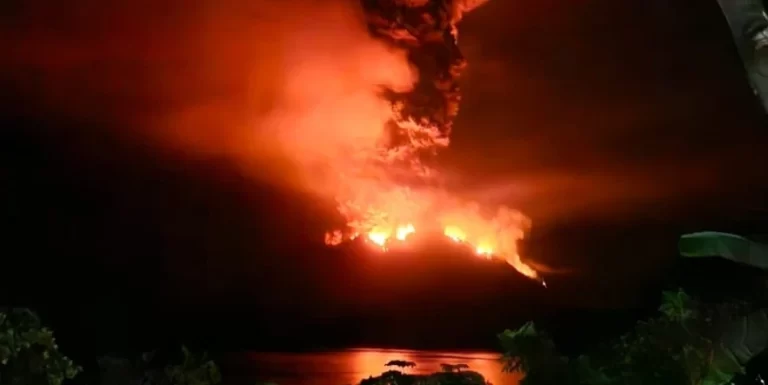
  • Massive eruption at Ruang volcano forces mass evacuation, ash to 16.7 km (55 000 feet) a.s.l., Indonesia

    A series of powerful eruptions took place at Ruang volcano in Indonesia’s North Sulawesi province starting at 17:08 UTC on April 16, 2024 (01:08 LT, April 17). As a result, the Aviation Color Code was raised to Red, the Alert Level to 3 of 4, and local authorities started evacuating more than 800 people living on the island as a preventive measure. The last eruptive episode at this volcano was in September 2002 (VEI 4).
  • High levels of sulfur dioxide emissions in Reykjanes Peninsula, Iceland

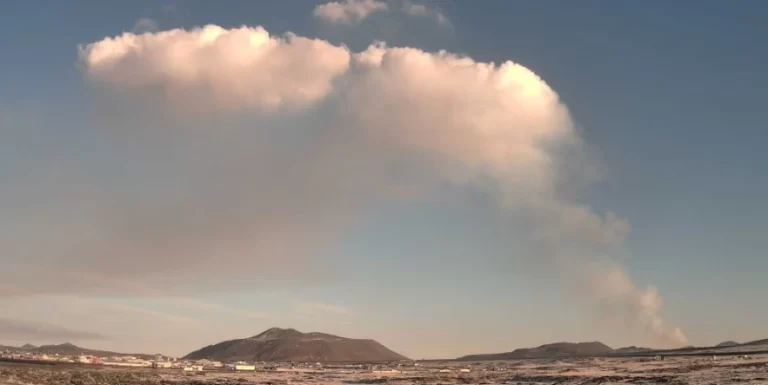
    The eruption that began in Reykjanes Peninsula on March 16, 2024, continues at stable levels. However, the Icelandic Met Office (IMO) has been detecting very unhealthy levels of sulfur dioxide pollution over the past couple of days. Residents are urged to follow instructions provided by the Environment Agency of Iceland and the Office of the National Medical Examiner.

  • Volcanic sulfur dioxide emissions from Iceland reach continental Europe

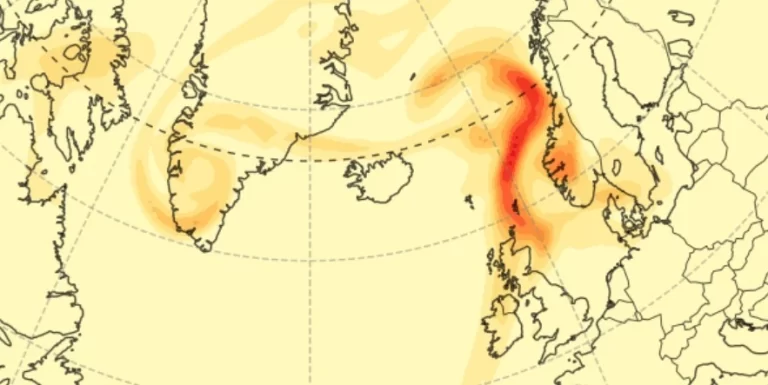
    The volcanic eruption that started in Reykjanes Peninsula, Iceland on March 16, 2024, continues at a fairly constant rate, marking the most substantial activity in the region with four registered eruptions since December 2023. This event has caught the attention of the Copernicus Atmosphere Monitoring Service (CAMS) due to the large volumes of sulfur dioxide (SO2) released into the atmosphere.