• Active volcanoes in the world: June 27 – July 3, 2012

    New unrest has been noticed around 5 volcanoes, ongoing activity was reported for 10 volcanoes. This report covers active volcanoes in the world recorded from June 27 – July 3, 2012 based on Smithsonian/USGS criteria.FUEGO, Guatemala14.473°N, 90.880°W; summit

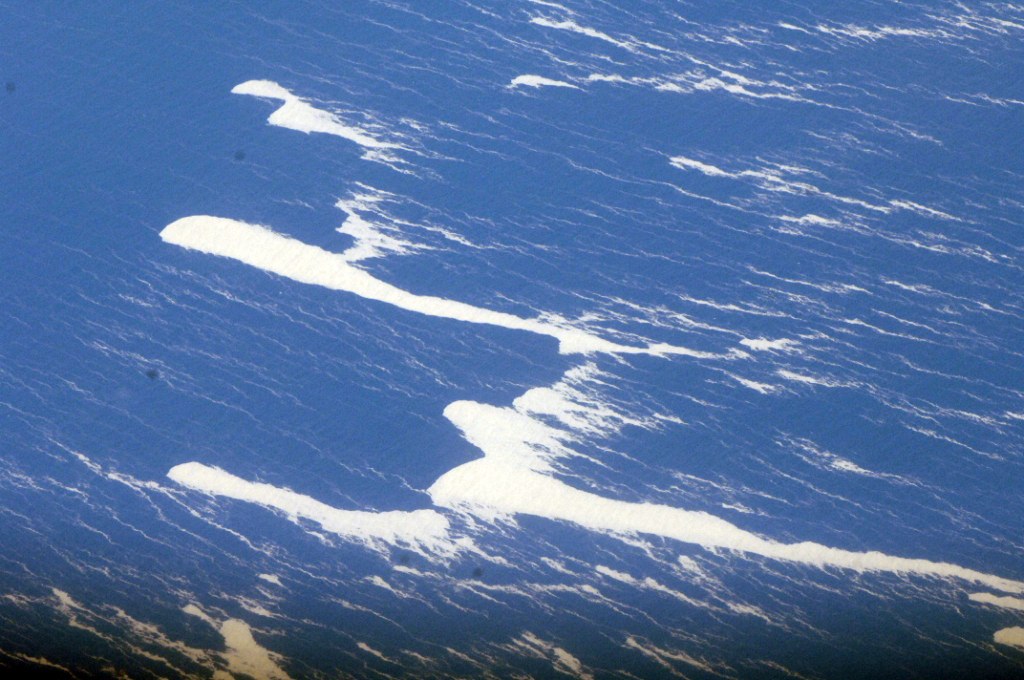
  • Batu Tara volcano emits plume

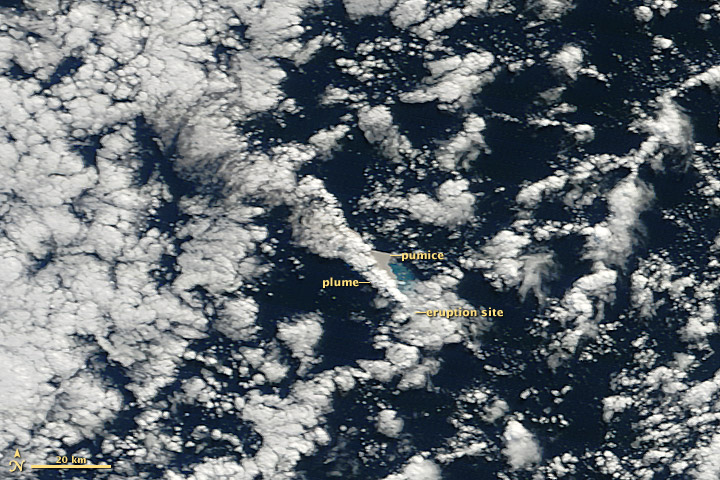
    Active since 2006, Batu Tara continues to puff away. A thin volcanic plume streams northwest from the cloud-shrouded volcano. Based on analyses of satellite imagery, the Darwin VAAC reported that on 19 June ash plumes from Batu Tara rose to an altitude of 2.4 km

  • Active volcanoes in the world: June 20 – June 26, 2012

    New unrest has been noticed around 3 volcanoes, ongoing activity was reported for 9 volcanoes. This report covers active volcanoes in the world recorded from June 20 – June 26, 2012 based on Smithsonian/USGS criteria.FUEGO, Guatemala14.473°N, 90.880°W; summit

  • Yellowstone geysers became active again

    According to article published in YellowstoneGate a handful of Yellowstone National Park geysers appear to be active again after periods of dormancy, including one geyser that last erupted almost two decades ago.Morning Geyser, quiet for 18 years, is now active,

  • Constant lava emission at Guatemalan Fuego volcano continues

    Fuego volcano continues to produce lava flows and strong strombolian explosions. CONRED warned about possibly pyroclastic flows that could be generated by collapsing lava flow fronts and incandescent material rolling down the steep upper slopes of the volcano as has

  • Active volcanoes in the world: June 13 – June 19, 2012

    This report covers active volcanoes in the world recorded from June 13 – June 19, 2012 based on Smithsonian/USGS criteria. New unrest has been noticed around 5 volcanoes, ongoing activity was reported for 9 volcanoes.FUEGO, Guatemala14.473°N, 90.880°W; summit

  • Volcanic gases could deplete ozone layer

    A new study has found that massive volcanic eruptions that took place over the past 70,000 years in Nicaragua could have injected enough gases into the atmosphere to temporarily thin the ozone layer. The study also concluded that if such an event took pace today, the