The Watchers team and our contributors bring the latest on extreme weather, earthquakes, volcanic eruptions, space weather, and all things science. We're all about making sense of the natural world and keeping you informed on what’s happening. Got a tip or a question? Hit us up using the form at newstips!

  • Unprecedented snowfall isolates 87 villages, leaving 24 000 families in need of assistance, Morocco

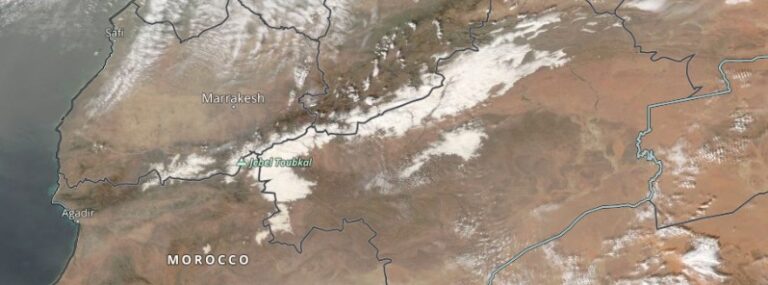
    A severe snowstorm wreaked havoc in Morocco’s southeast region on February 18 and 19, 2023, leaving 24 000 families in dire need of assistance and 87 villages isolated. The unprecedented levels of snowfall have led to road closures and the suspension of classes, while authorities and troops work tirelessly to provide aid to those in need.
  • How ultralow frictional healing could help predict large earthquakes

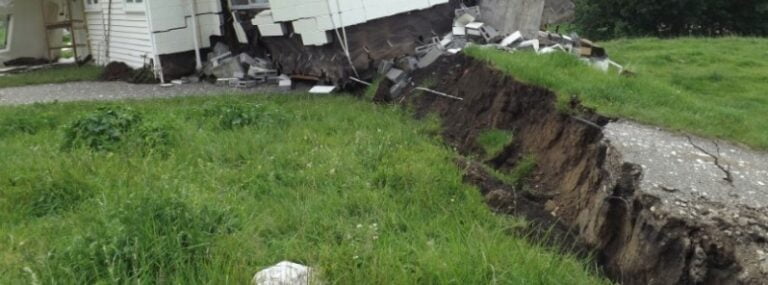
    A new study published in the journal Science could be a game-changer in the field of seismology, as researchers have discovered a potential missing piece in the puzzle of predicting earthquakes. The study suggests that ultralow frictional healing, a common physical phenomenon, could be crucial in understanding when and how violently faults move. While it won’t enable scientists to forecast the next big earthquake, it could be a valuable new way to investigate the causes and potential for large, damaging earthquakes.

  • Fatal rockfall in Austria claims lives of two workers

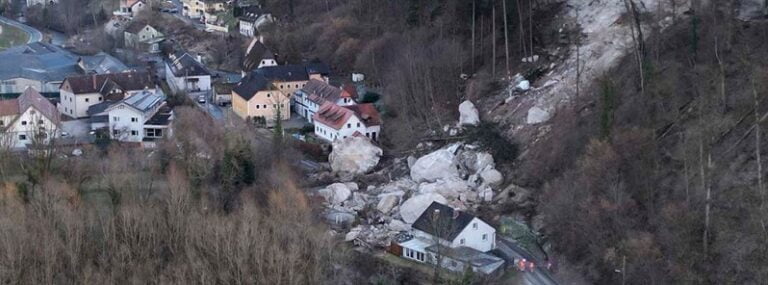
    Two excavator operators lost their lives during a large rockfall at Christkindl in Steyr, Austria on February 8, 2023. The tragic incident occurred despite efforts to mitigate the hazard at the site. The rockfall is estimated to be around 3 000 m3 (105 944 feet3) in total.

  • Extensive flooding hits northern Romania

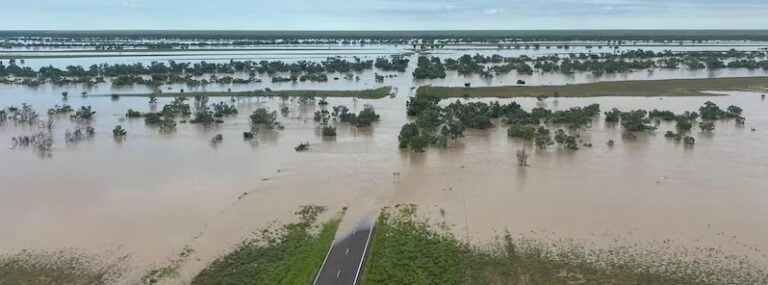
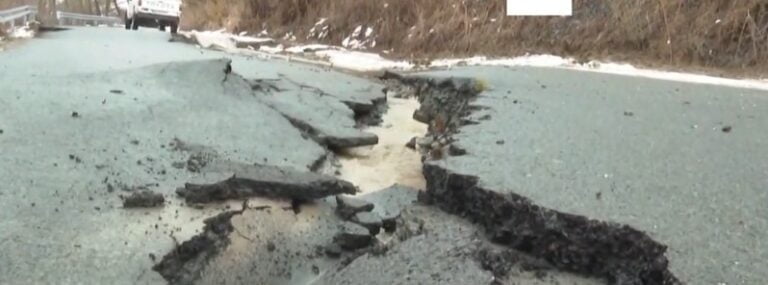
    Heavy flooding in northern Romania caused severe damage to roads and disrupted rail services in Bistrita and Maramures counties. The deluge left homes and farmland flooded and triggered landslides.

  • Paraguay communities cut off by flooded rivers in Amambay Department

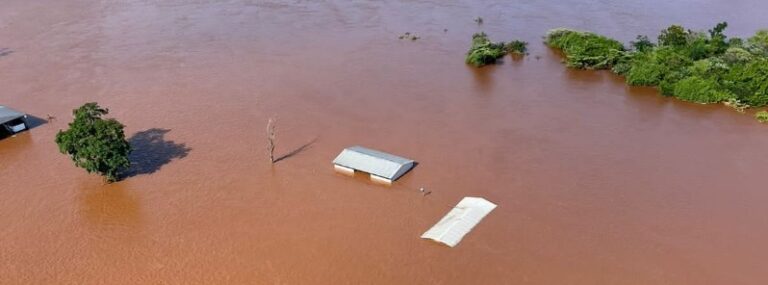
    The Aquidabán River in Amambay Department, Paraguay, overflowed on February 16, 2023, leading to extensive flooding that has caused damage to roads and bridges, affected 700 indigenous families, and displaced many residents. The flooding has caused significant material damage, with many residents losing all their belongings, and has left multiple communities isolated due to the destruction of numerous bridges and roads.

  • From space: A visual roundup of 2022’s global weather

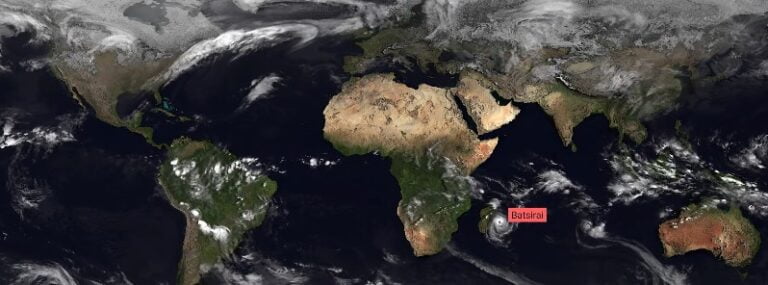
    Take your seat and travel around the world to witness the planet’s weather in just under 10 minutes. In this annual visualization, EUMETSAT’s Training Manager, Mark Higgins, guides you through a mesmerizing view of Earth’s weather patterns captured from space.

  • Extremely heavy rains hit Brazil, leaving at least 46 people dead

    Brazil’s southeastern coastal areas were hit with exceptionally heavy rainfall on February 18 and 19, 2023, causing floods and landslides that killed 40 people, injured 23 others, and displaced thousands more. The region experienced some of the country’s highest recorded rainfall totals for a 24-hour period, with Bertioga registering 694 mm (27.32 inches) and São Sebastião recording 649 mm (25.55 inches) during the same timeframe.

  • Aurorae discovered on all four major moons of Jupiter

    A team of astronomers using the W. M. Keck Observatory in Hawaii has discovered that aurorae at visible lengths appear on all four of Jupiter’s major moons, namely Io, Europa, Ganymede, and Callisto. The discovery was made using the High-Resolution Echelle Spectrometer (HIRES) at the Keck Observatory, as well as other high-resolution spectrographs at the Large Binocular Telescope and Apache Point Observatory.

  • Construction works blamed for mysterious mudflow in the middle of Surat, India

    Residents in Surat, India were caught off guard after what appears to be a mud volcano suddenly erupted in the middle of their city. Social media is awash with videos and images of mud covering streets in the Kapodra neighborhood, which reached depths of approximately 10 cm (4 inches) in some areas. The ongoing metro construction work in the region is thought to have triggered the event.