The Watchers team and our contributors bring the latest on extreme weather, earthquakes, volcanic eruptions, space weather, and all things science. We're all about making sense of the natural world and keeping you informed on what’s happening. Got a tip or a question? Hit us up using the form at newstips!

  • Two long-track tornadoes strike Tampa Bay, Florida

    On October 12, 2023, two long-track tornadoes swept through parts of Tampa Bay, Florida, U.S., significantly affecting Citrus, Pinellas, and Pasco counties. The early morning twisters caused extensive damage, leading to road closures and class cancellations in Citrus County.

  • Tropical Storm “Max” hits Guerrero; Lidia to intensify into hurricane before Mexico landfall

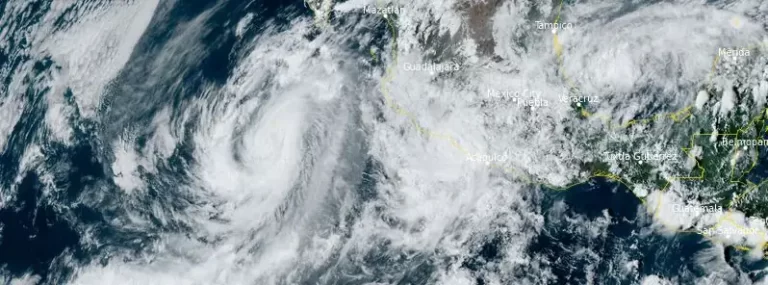
    Tropical Storm “Max” formed at 03:00 UTC on October 9, 2023, and made landfall 15 hours later just west of Puerto Vicente Guerrero, Mexico, with winds of 105 km/h (65 mph). Originating south of Central America, the storm intensified rapidly, bringing with it a threat of heavy rainfall and potential mudslides. Max is closely followed by Lidia, currently an intensifying tropical storm, which is expected to make landfall over west-central Mexico as a hurricane.

  • Ozone hole over Antarctica soars to one of its largest sizes on record, Hunga Tonga eruption possible cause

    On September 16, 2023, a significantly large ozone hole stretched over Antarctica, covering an area of 26 million km3 (10.04 million mi3), prompting a deeper look into the possible causes. The fluctuating size of the ozone hole is a yearly phenomenon, with a notable increase from August to October, and a decrease as temperatures in the southern hemisphere’s stratosphere rise towards the year’s end.

  • Gopalganj tornado leaves 25 shops, temples damaged, Bangladesh

    A tornado struck Kashiani upazila of Gopalganj, Bihar, India around 15:30 local time on October 5, 2023, damaging approximately 25 business establishments, temples, trees, and electric poles. There were no reported casualties.

  • Strongest marine heat wave in 40 years off Canada’s East Coast

    A severe marine heat wave was recorded off Canada’s East Coast this summer, according to data compiled by Fisheries and Oceans climate scientist Peter Galbraith. The event, lasting from the last three weeks of July to the first week of August, saw a weeklong temperature spike off Newfoundland averaging 6.7 °C (12.1 °F) above normal.