The Weekly Volcanic Activity Report: September 24-30, 2025
New activity/unrest was reported for two volcanoes from September 24–30, 2025. During the same period, ongoing activity was reported for 22 volcanoes.


I'm a dedicated researcher, journalist, and editor at The Watchers. With over 20 years of experience in the media industry, I specialize in hard science news, focusing on extreme weather, seismic and volcanic activity, space weather, and astronomy, including near-Earth objects and planetary defense strategies. You can reach me at teo /at/ watchers.news.

New activity/unrest was reported for two volcanoes from September 24–30, 2025. During the same period, ongoing activity was reported for 22 volcanoes.
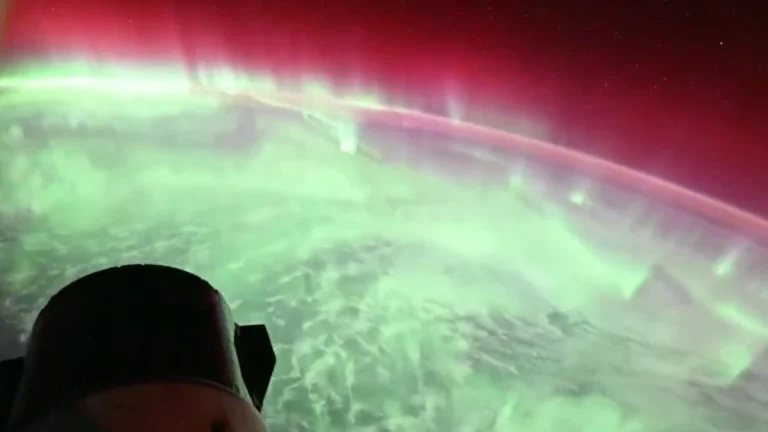
A G3 (Strong) geomagnetic storm is in progress on October 2, 2025, driven by a positive-polarity coronal hole high-speed stream (CH HSS). The U.S. Space Weather Prediction Center (SWPC) issued an active warning valid until 12:00 UTC, with aurora sightings possible as far south as Pennsylvania, Iowa, and Oregon.
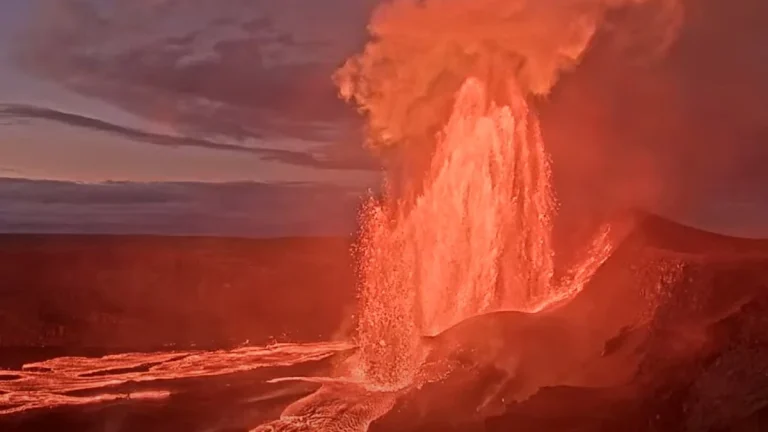
Episode 34 of the ongoing Kīlauea eruption ended at 07:03 HST (17:03 UTC) on October 1, 2025, after 6 hours of lava fountaining from two vents in Halemaʻumaʻu crater at the volcano’s summit, Hawaii. Lava fountains reached up to 400 m (1 300 feet), erupting about 9 million m³ of lava at a peak effusion rate of 500 yd³/s. The eruption filled much of the western crater floor before activity ceased.
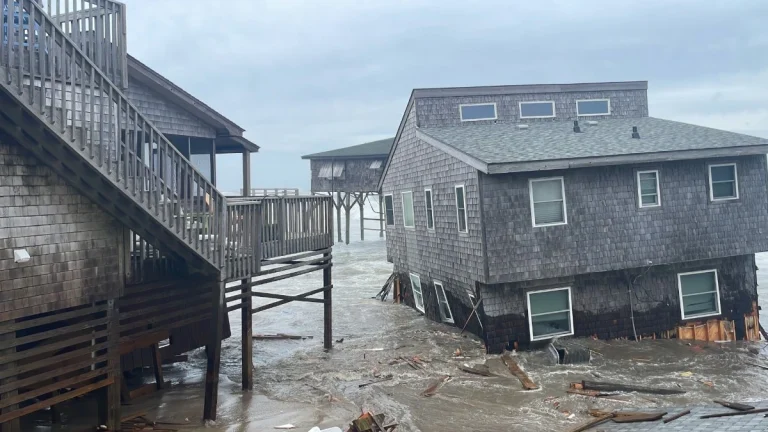
Dangerous coastal flooding from hurricanes Humberto and Imelda collapsed six oceanfront homes in Buxton, North Carolina, on September 30, 2025, with debris forcing beach closures and travel restrictions on NC12. Authorities warn of additional collapses as long-period swells continue.
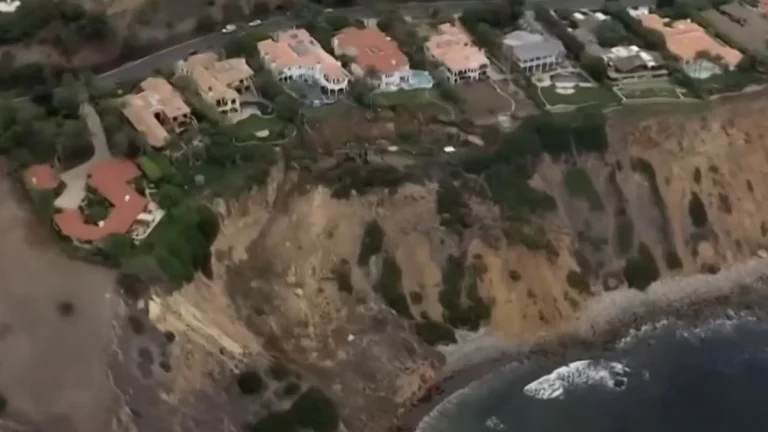
A section of coastal bluff measuring about 91–122 m (300–400 feet) collapsed in Rancho Palos Verdes, California, on September 28, 2025, falling 15–18 m (50–60 feet) toward the ocean. Four backyards were damaged, but no homes sustained structural damage, and no injuries were reported. Authorities said the collapse occurred outside the long-active Portuguese Bend Landslide Complex, located about 6 km (4 miles) away.
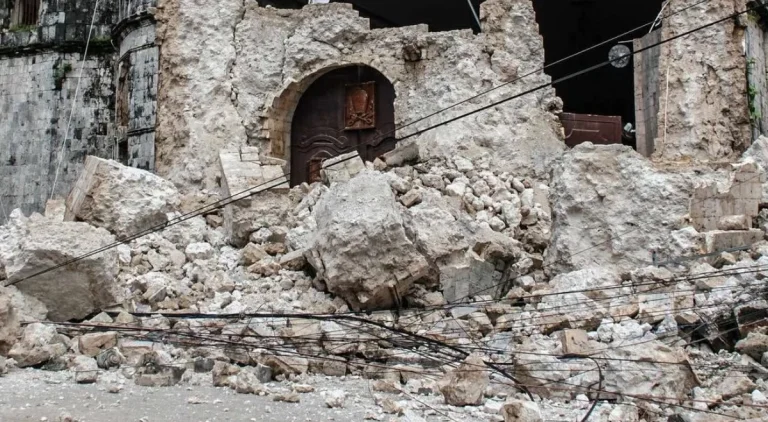
A powerful M6.9 earthquake hit Cebu and Leyte, Philippines at 21:59 local time (13:59 UTC) on September 30, 2025, leaving at least 69 dead and more than 200 injured. Authorities reported extensive structural collapses in towns across Cebu and landslides and transport disruption in Leyte.
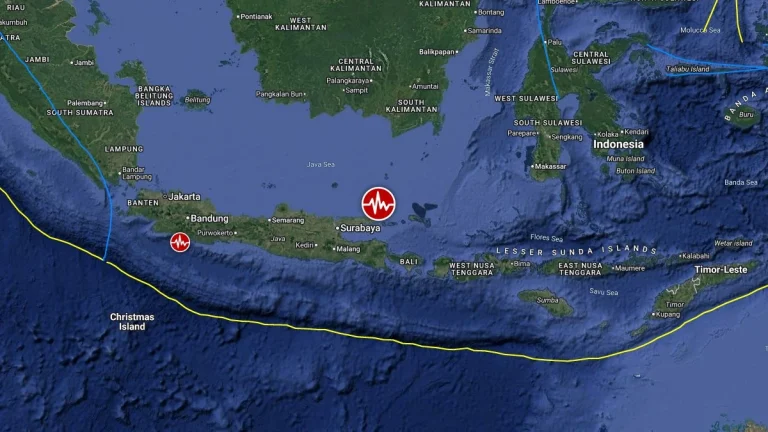
A strong and shallow earthquake registered by the USGS as M6.0 hit Bali Sea, Indonesia at 16:49 UTC on September 30, 2025. The agency is reporting a depth of 13.9 km (6 miles). EMSC is reporting M6.0 at a depth of 20 km (12.4 miles).
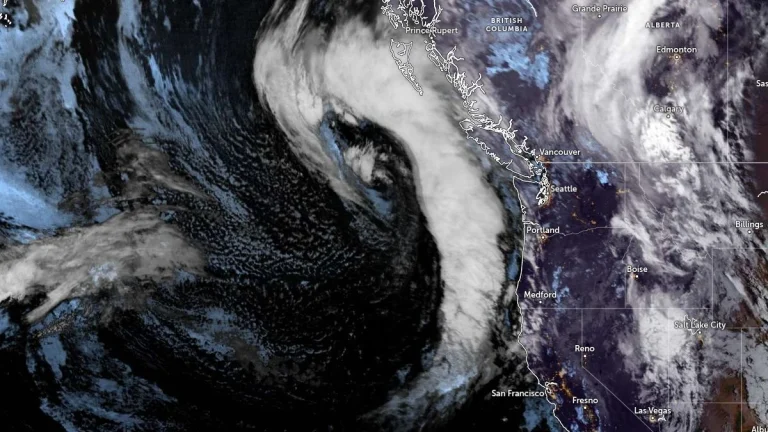
Successive atmospheric rivers are forecast to affect the U.S. West Coast through October 2, 2025. The first system that impacted Washington, Oregon, and Northern California on September 29 was forecast to dissipate by late evening, while a second, stronger event associated with a cyclone near British Columbia is expected to make landfall today. Forecasts call for 25–75 mm (1–3 inches) of rain in coastal ranges and up to 200 mm (8 inches) on the Olympic Peninsula.
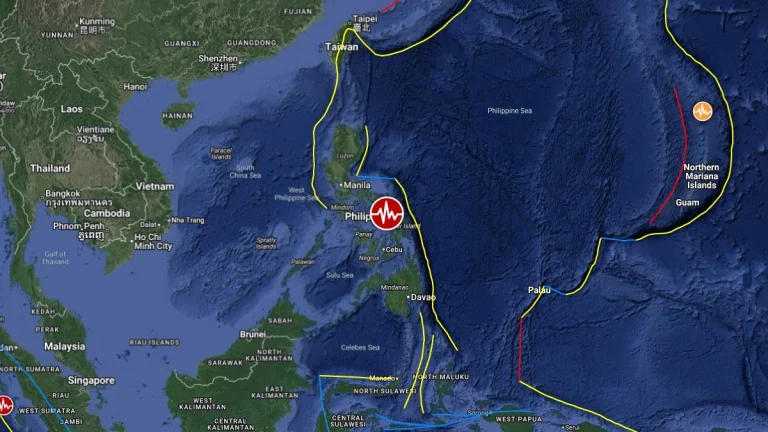
A strong and shallow earthquake registered by the USGS as M6.9 struck near Palompon, Leyte, Philippines at 13:59 UTC (21:59 LT) on September 30, 2025. The agency is reporting a depth of 10 km (6 miles). EMSC is reporting M6.9 at a depth of 15 km (9.3 miles). According to the NWS Pacific Tsunami Warning Center (PTWC), there is no tsunami threat from this event.

Earth’s magnetic field reached G3 – Strong storm levels on September 30, driven by CME impacts and sustained southward IMF. The event was enhanced by seasonal Russell–McPherron geometry near equinox, increasing coupling efficiency. Storm strength has since eased to G2 and G1 as IMF weakened and Bz returned closer to neutral.
