Asteroid 2024 CH4 flew past Earth at 0.28 LD
A newly-discovered asteroid designated 2024 CH4 flew past Earth at a distance of 0.28 LD / 0.0007 AU (109 004 km / 67 732 miles) at 06:10 UTC on February 11, 2024.


Teo Blašković founded The Watchers in 2011 and edited it until 2026, covering seismic and volcanic activity, extreme weather, space weather and near-Earth objects. Articles on this page are his archive.
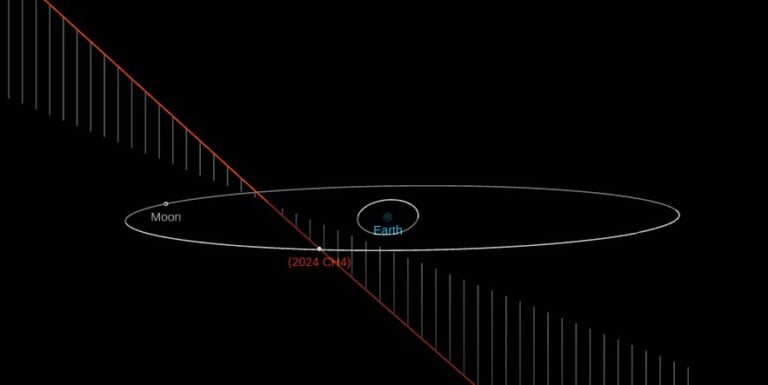
A newly-discovered asteroid designated 2024 CH4 flew past Earth at a distance of 0.28 LD / 0.0007 AU (109 004 km / 67 732 miles) at 06:10 UTC on February 11, 2024.

A strong and shallow earthquake registered by the USGS as M6.0 hit near the coast of Atacama, Chile at 01:31 UTC on February 14, 2024. The agency is reporting a depth of 22 km (13.7 miles). EMSC is reporting the same magnitude and depth.

The Alaska Volcano Observatory (AVO) has detected a notable increase in seismicity at Mount Gareloi beginning at 18:15 UTC on February 12, 2024, prompting the elevation of the Aviation Color Code to Yellow and the Volcano Alert Level to Advisory. Despite the uptick in seismic activity, there are no signs of an imminent eruption.

Recent severe weather in south-eastern Tanzania, particularly the Lindi Region, resulted in three fatalities and 18 injuries due to lightning on February 9. With forecasts predicting more heavy rainfall and thunderstorms, Tanzania braces for further impacts.

Heavy rains affecting Oman over the past couple of days caused significant disruption and widespread floods in which at least 3 people lost their lives. Over 200 individuals have been evacuated or rescued, with schools suspending classes in affected areas. The Ministry of Health has also rescheduled 25 000 appointments in light of the flooding.

The University of the West Indies Seismic Research Center (UWI SRC) has reported a return to normal seismic activity levels at the Kick ’em Jenny submarine volcano in Grenada as of early February 11, 2024, following increased activity since February 9. The National Disaster Management Agency (NaDMA) Grenada maintains a Yellow alert level, advising continued adherence to the 1.5 km (0.9 miles) marine exclusion zone.

Violent thunderstorms struck Australia’s east coast on February 13, 2024, leading to significant damage and disruptions. The storms caused the shutdown of AGL’s Loy Yang A power station in Victoria, leaving approximately 590 000 homes and businesses without electricity. The Australian Energy Market Operator (AEMO) was forced to cap electricity prices at A$16,600 per megawatt hour, a significant increase from the usual A$200. Efforts to restore power are ongoing, with some customers already reconnected.

At least three coronal mass ejections (CMEs) are heading toward Earth. The impact is expected early on February 13 (UTC), producing G2 – Moderate or stronger geomagnetic storming.
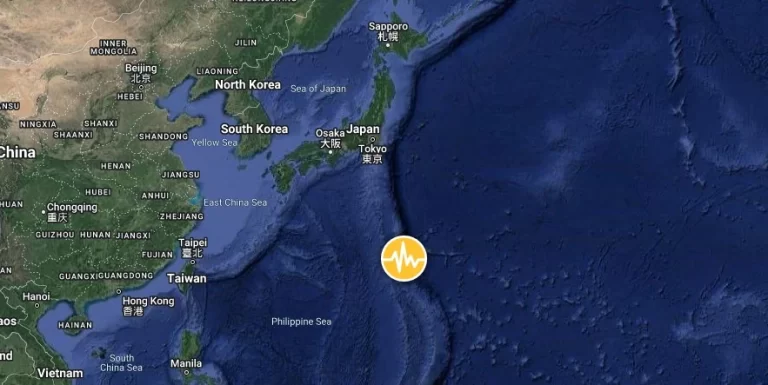
A strong earthquake registered by the JMA as M6.3 hit Volcano Islands, Japan at 11:19 UTC on February 12, 2024. The agency is reporting a depth of 260 km (161 miles). The USGS is reporting the quake as M6.1 at a depth of 250 km (155 miles); EMSC as M6.0 at a depth of 254 km (159 miles).

Heavy rain accompanied by lightning and intense hailstorms hit the city of Al Ain and other parts of UAE on the morning of February 12, 2024, causing impressive hail accumulations. This is reportedly the strongest hailstorm Al Ain has seen in 40 years. It comes after NMC conducted a series of cloud seeding flights.
