Strong M9.4 solar flare erupts from Region 3889, CME produced
A strong solar flare measuring M9.4 erupted from Active Region 3889 at 12:06 UTC on November 10, 2024. The event started at 11:51 and ended at 12:14 UTC.


I'm a dedicated researcher, journalist, and editor at The Watchers. With over 20 years of experience in the media industry, I specialize in hard science news, focusing on extreme weather, seismic and volcanic activity, space weather, and astronomy, including near-Earth objects and planetary defense strategies. You can reach me at teo /at/ watchersnews.bigscoots-staging.com.

A strong solar flare measuring M9.4 erupted from Active Region 3889 at 12:06 UTC on November 10, 2024. The event started at 11:51 and ended at 12:14 UTC.

An eruption at the Kumani Bank mud volcano in the Caspian Sea created a temporary island in early February 2023, only 20 km (12.4 miles) off Azerbaijan’s coast and near the capital, Baku. Despite the island’s rapid emergence, measuring approximately 400 m (1 312 feet) in width, the event went largely unreported.

A plume of moisture from Hurricane “Rafael” moved northward into the Southeastern United States and collided with a stationary front over South Carolina, causing intense rainfall in Orangeburg County on November 6 and 7, 2024. The extreme rainfall, totaling 180 – 380 mm (7 – 15 inches) in 24 hours, overwhelmed local ponds and dams, leading to failures that sent water downstream, damaging bridges and roads near Norway, South Carolina.

A strong and shallow earthquake registered by the USGS as M6.3 hit off the coast of Aisen, Chile at 11:37 UTC on November 8, 2024. The agency is reporting a depth of 10 km (6.2 miles). Centro Sismilogical Nacional (CSN) Chile is reporting M6.2 at a depth of 7 km (4.3 miles).

A new powerful eruption took place at Indonesia’s Lewotobi Laki-laki volcano on November 7, 2024, producing a thick column of ash that rose up to 16.7 km (55 000 feet) above sea level. This eruption follows increased volcanic activity since the end of October and a powerful eruption on November 3 during which 9 people died and more than 2 000 homes were damaged by lava bombs.
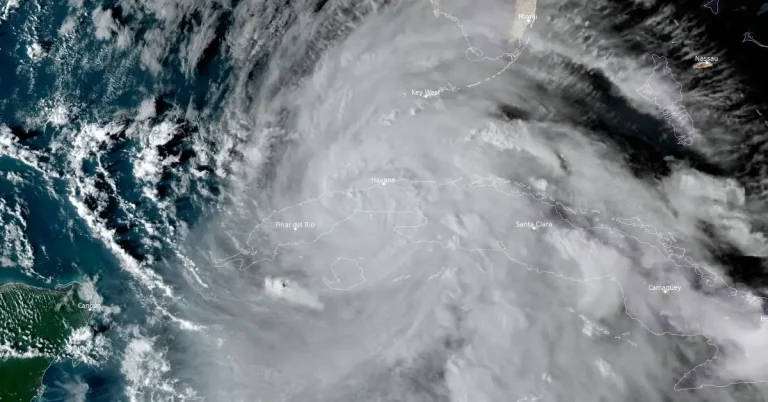
Hurricane “Rafael” made landfall in Cuba’s Artemisa Province, near Playa Majana, at 21:15 UTC on November 6, 2024, with maximum sustained winds of 185 km/h (115 mph) and a minimum central pressure of 956 hPa. The storm caused a national power outage, leaving 10 million people without electricity, marking Cuba’s second blackout in less than a month. Authorities suspended public transit, schools, and flights from Havana’s main airport and Varadero, while farmers in key agricultural regions moved to protect valuable tobacco crops and other produce from damage.
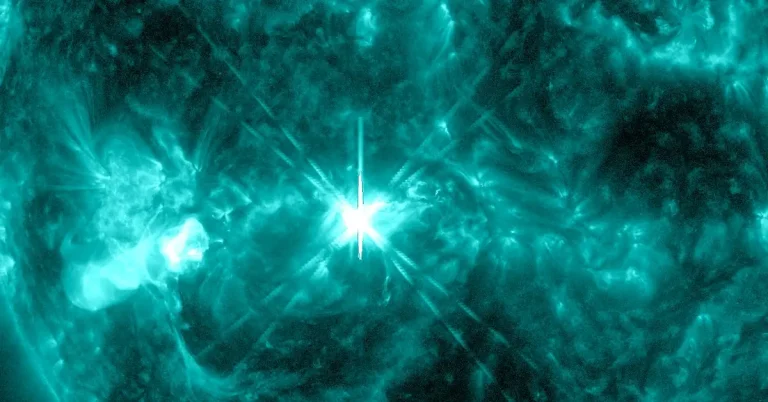
A major solar flare registered as X2.3 erupted from Active Region 3883 at 13:40 UTC on November 6, 2024. The event started at 13:24 and ended at 13:46 UTC. Meanwhile, a glancing blow from the CME associated with the M3.8 on November 4 is expected on November 7.

A major eruption took place at Lewotobi Laki-laki volcano, Indonesia on Sunday, November 3, 2024, producing an ash column up to 12.2 km (40 000 feet) above sea level. The Aviation Color Code was raised to Red.
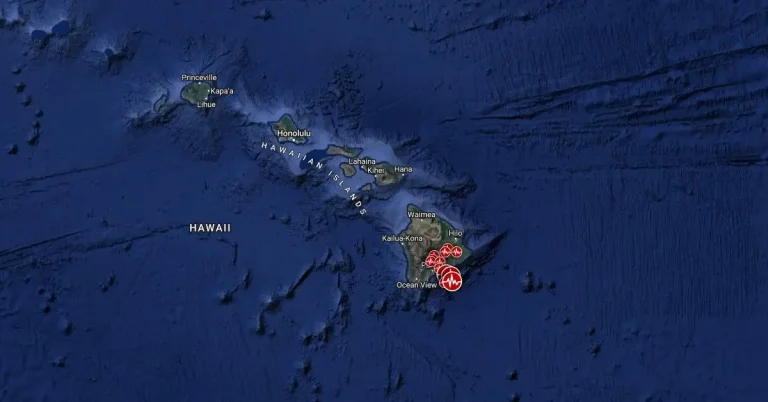
A period of increased seismic activity started at Kamaʻehuakanaloa volcano (previously known as Lōʻihi) near Hawaii on November 1, 2024, with over 70 recorded earthquakes and two reaching M4.3. Seismicity remains above normal levels today, indicating magma movement beneath the volcano.
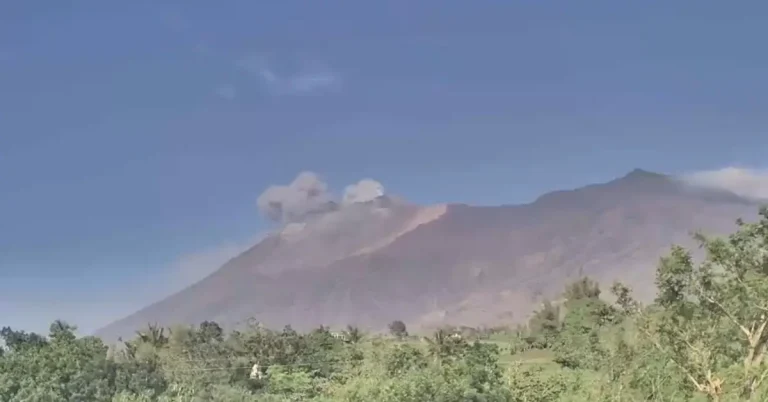
The Kanlaon Volcano on Negros Island, Philippines, produced three minor ash plumes from its summit crater on November 2, 2024, during brief eruptions lasting between four and twelve minutes each. The plumes rose to approximately 400 m (1 310 feet) above the crater and drifted southwest. No seismic or infrasonic signals accompanied the events, indicating low-energy emissions.
