Major flash floods hit SE Australia
Widespread rain and thunderstorms impacted large parts of southeast Australia on November 12 and 13, 2022, producing major flash floods, stranding residents and damaging homes.


I'm a dedicated researcher, journalist, and editor at The Watchers. With over 20 years of experience in the media industry, I specialize in hard science news, focusing on extreme weather, seismic and volcanic activity, space weather, and astronomy, including near-Earth objects and planetary defense strategies. You can reach me at teo /at/ watchers.news.
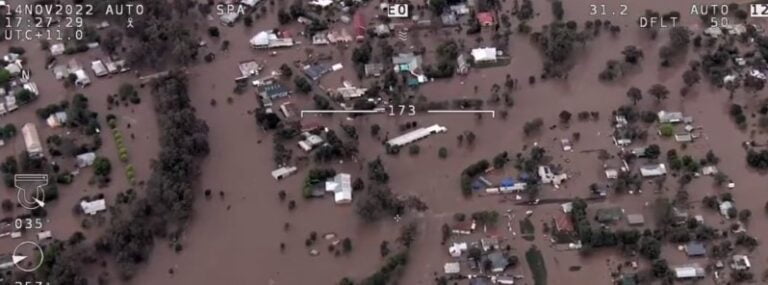
Widespread rain and thunderstorms impacted large parts of southeast Australia on November 12 and 13, 2022, producing major flash floods, stranding residents and damaging homes.
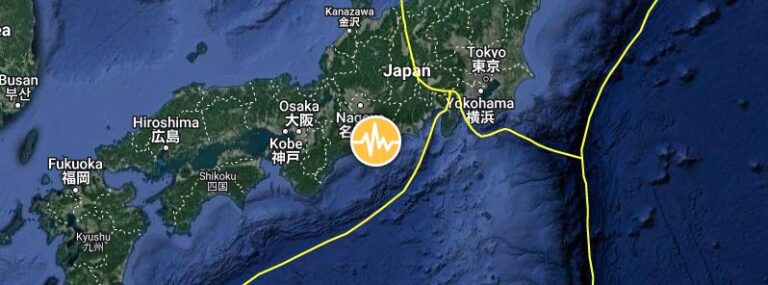
A strong earthquake, registered by the Japan Meteorological Agency (JMA) as M6.1, hit off the southeast coast of Mie Prefecture, Honshu, Japan at 08:08 UTC on November 14, 2022 (17:08 JST). The agency is reporting a depth of 350 km (217 miles). USGS is reporting M6.1 at a depth of 357 km (222 miles); EMSC M6.1 at a depth of 352 km (218 miles).
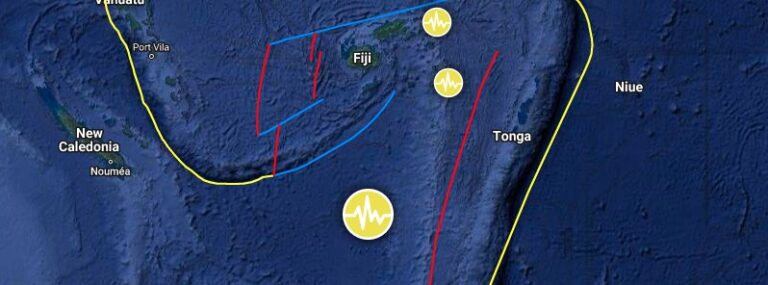
A very deep earthquake, registered by the USGS as M6.1, hit south of the Fiji Islands at 05:04 UTC on November 14, 2022. The agency is reporting a depth of 627 km (389 miles). EMSC is reporting M6.1 at a depth of 618 km (384 miles).
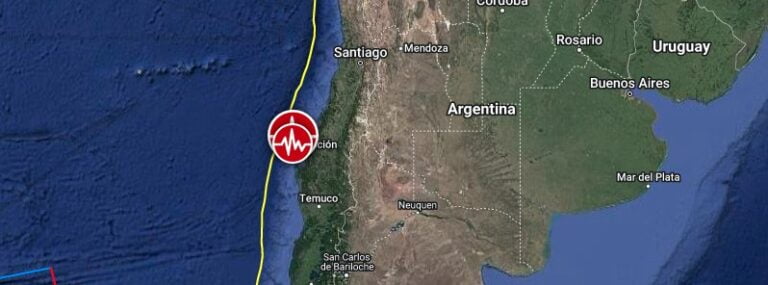
A strong and shallow earthquake, registered by Chile’s National Seismological Center (CSN) as M6.2, hit near the coast of Bio-Bio, Chile at 02:24 UTC on November 13, 2022 (23:25 LT on November 12). The agency is reporting a depth of 20 km (12.4 miles). USGS is reporting M6.2 at a depth of 18 km (11.1 miles), and EMSC M6.3 at a depth of 10 km (6.2 miles).
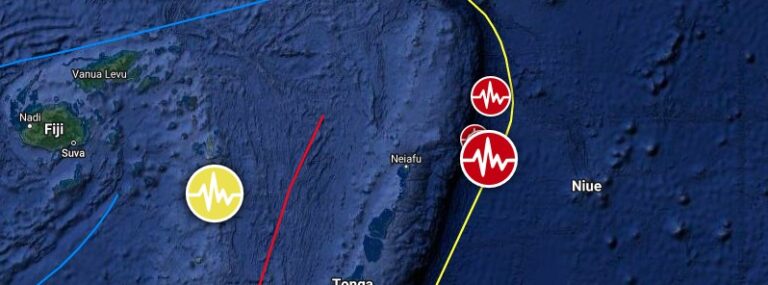
A deep earthquake, registered by the USGS as M7.0, hit Fiji Region at 08:09 UTC on November 12, 2022. The agency is reporting a depth of 587 km (364 miles). EMSC is reporting the same magnitude and depth.
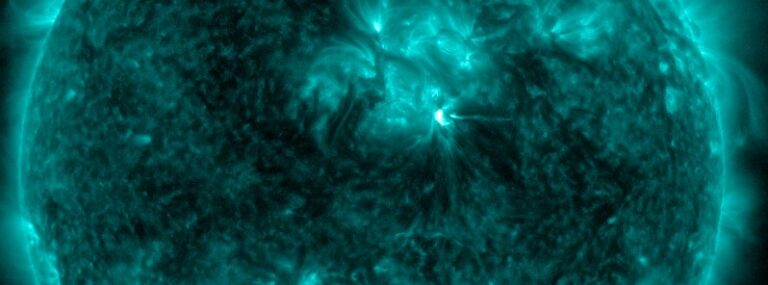
Two M1.2 solar flares erupted from Active Region 3141 (Beta-Gamma-Delta) on November 11, 2022 – the first at 07:14 and the second at 11:40 UTC. The region is located at the center of the solar disk — coronal mass ejections (CMEs) produced by it are likely to be Earth-directed.
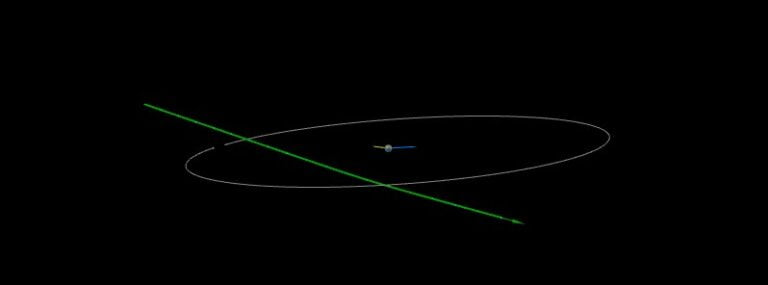
A newly-discovered asteroid designated 2022 UU63 flew past Earth at a distance of 0.197 LD / 0.00051 AU (75 683 km / 47 027 miles) at 21:01 UTC on October 27, 2022.

A very strong earthquake, registered by the USGS as M7.1, hit the Tonga Islands region at 10:48 UTC on November 11, 2022. The agency is reporting a depth of 10 km (6.2 miles). EMSC is reporting M7.3 at a depth of 60 km (37 miles).
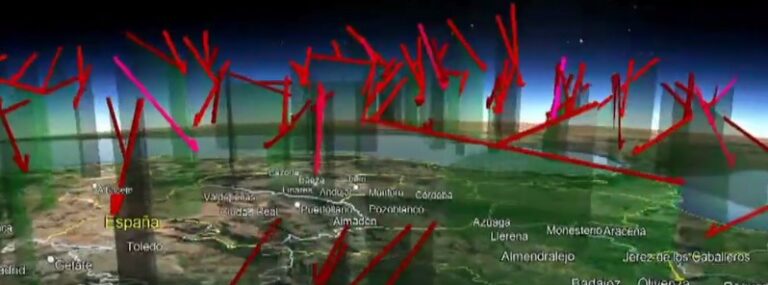
This video shows the atmospheric trajectory of some of the brightest fireballs recorded by the Southwestern Europe Meteor Network (SWEMN) from La Hita Astronomical Observatory (Toledo, Spain) in 2022.
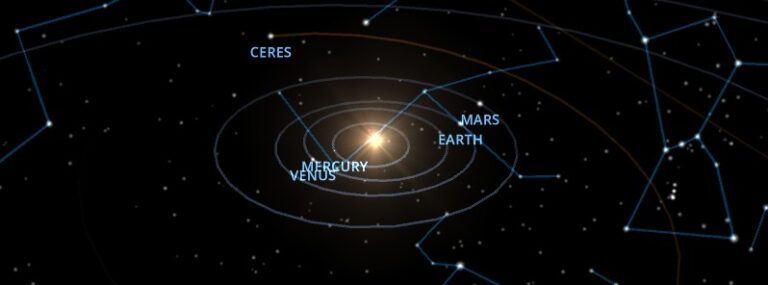
A new research led by the University of California, Berkeley, demonstrates that one driver of annual weather cycles in the eastern equatorial Pacific Ocean—in particular, a cold tongue of surface waters stretching westward along the equator from the coast of South America—has gone unrecognized: the changing distance between Earth and the Sun.
