• Volcanic activity at Mt. Soputan continues

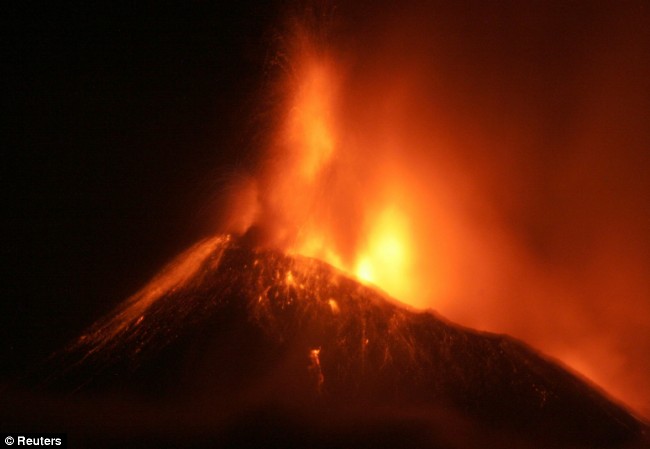
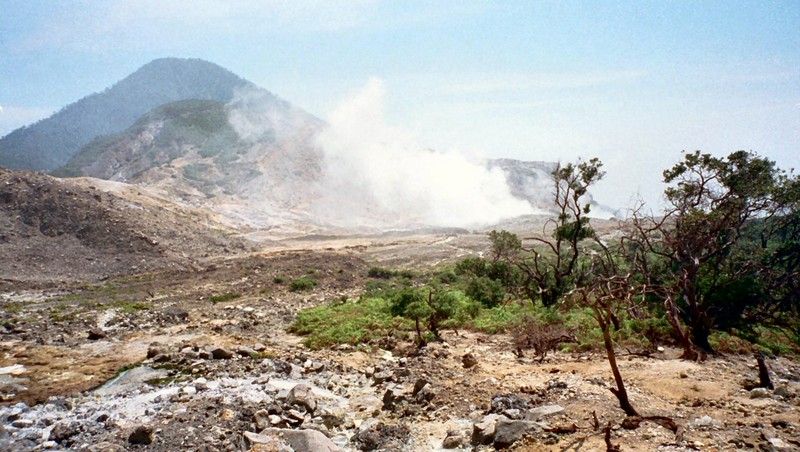
    Mount Soputan once again started spewing ash clouds in the air as it did on July 3. Volcanic ash reached 12 000 feet (3 700 meters). The density stays moderately dangerous for air traffic for approximately 100 km in a westerly direction, according to Darwin VAAC.The Ind

  • Space junk cleanup poses grand challenge for 21st century

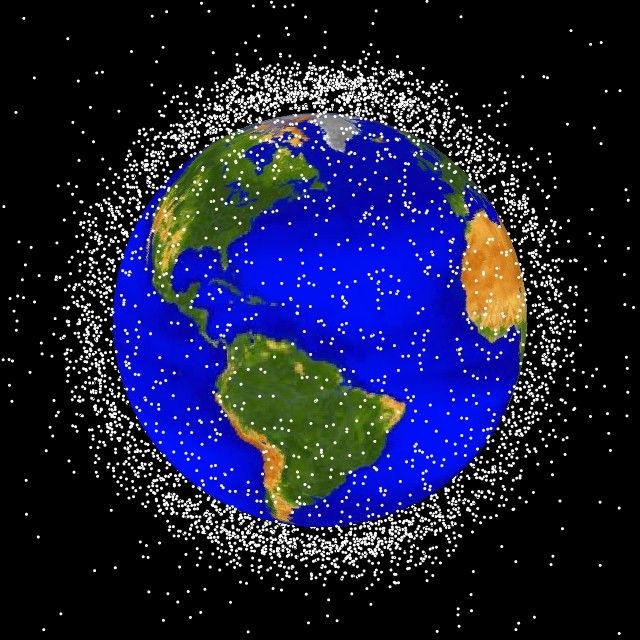
    Scientist warn about threat to spacecraft and the enviroment that posses space debris orbiting the Earth. According to J.-C. Liou of the Orbital Debris Program Office at NASA’s Johnson Space Center, the space junk trend no longer can be reversed by full compliance with

  • Sun activity is getting back

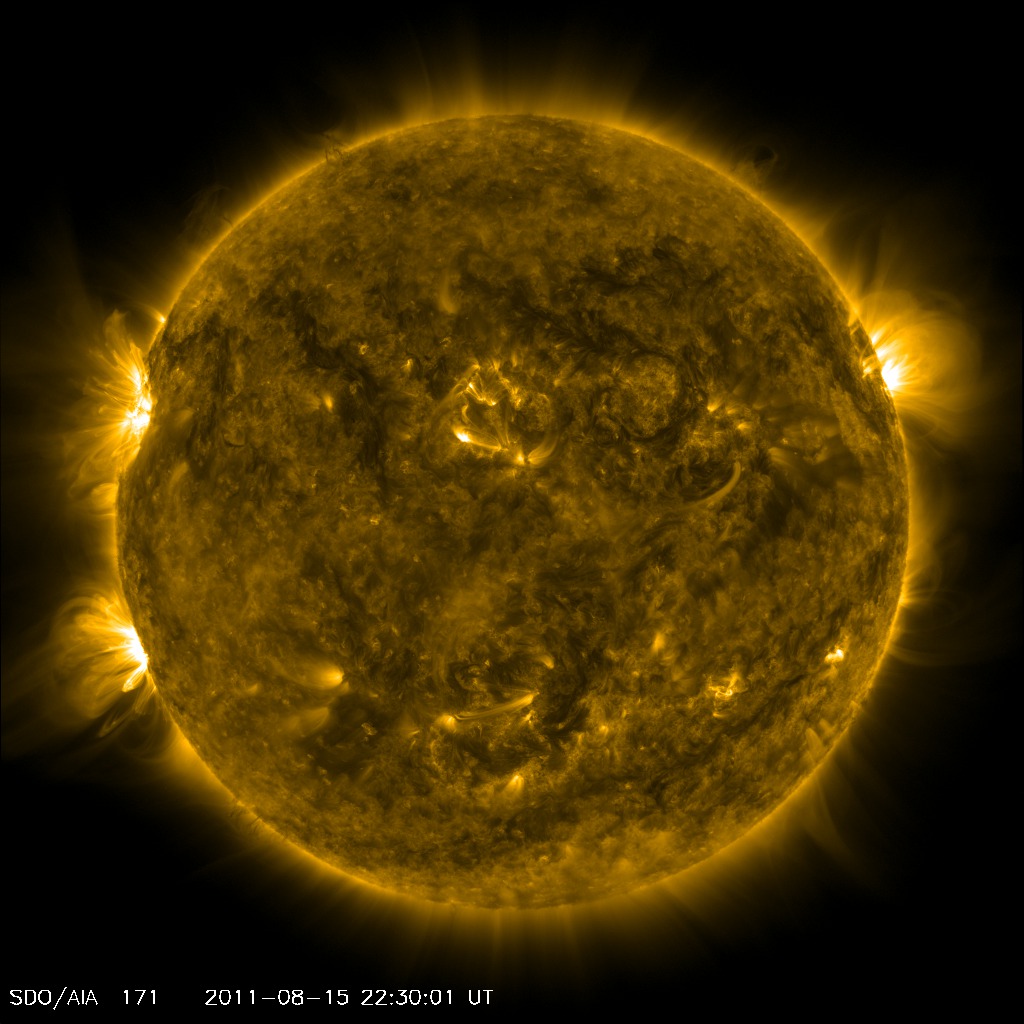
    After a few days of quiet, the sun is coming alive again. Amateur astronomers around the world report a beautiful complex of prominences dancing along the eastern limb, one of them big enough to swallow Earth:The blue dot is merely a digital image of Earth inserted

  • Rare snowstorm hits New Zealand

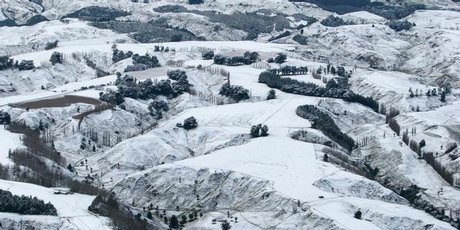
    New Zealand was hit by very rare snowfall and polar blast. Snowfall covering far-flung areas of New Zealand as of Monday has been described as a once in a 50-year event by the New Zealand MetService. On the North Island, the storm left a mantle of snow over the…

  • More activity at Mt. Etna

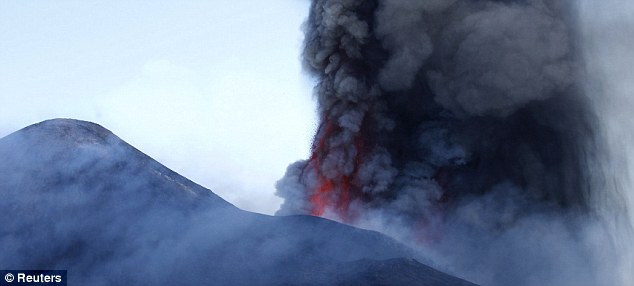
    New Southeast Crater of Etna produced its tenth paroxysmal eruptive episode of the year during the forenoon of 12 August 2011. This event was, in its main characteristics, a repetition of its predecessors, with the emission of a lava flow toward the Valle del Bove,

  • Comet Garradd seen in the night sky

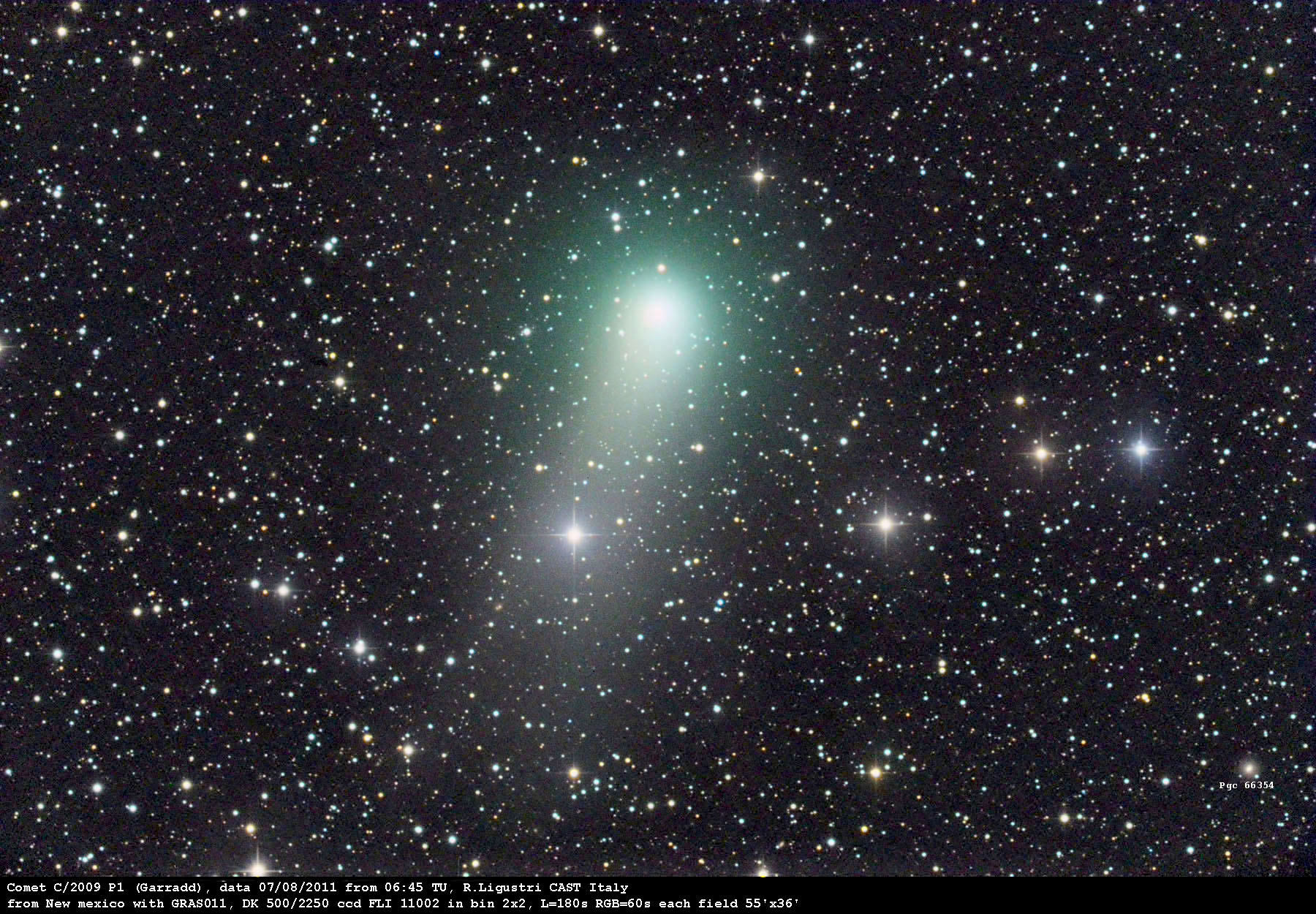
     The comet, with the nomenclature C/2009 P1, is now coming into small telescope/binocular view so here’s your chance to see the brightest comet in the current night sky. You can find it in the late evening sky in the constellation Pegasus. Viewing it now,

  • 45P/Honda–Mrkos–Pajdušáková

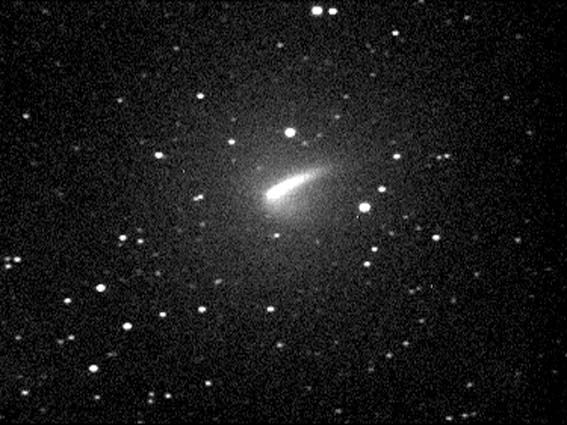
    The comet Honda-Mrkos-Pajdusakova is expected to brighten rapidly in August as it passes to the south of the Earth. It will be observable from the southern hemisphere for about 2 weeks before getting too close to the Sun.At its closest the comet will be 0.060 AU from

  • New coral map ranks reefs most at risk

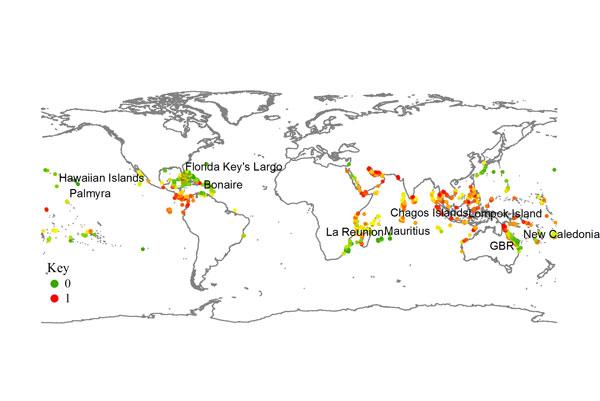
    The world’s coral reefs face a multitude of threats, from rising ocean temperatures to overfishing. A new map aimed at aiding coral conservation has been developed that points out the reefs that are most and least at risk.The map, and the study that led to it, say