I'm a dedicated researcher, journalist, and editor at The Watchers. With over 20 years of experience in the media industry, I specialize in hard science news, focusing on extreme weather, seismic and volcanic activity, space weather, and astronomy, including near-Earth objects and planetary defense strategies. You can reach me at teo /at/ watchers.news.

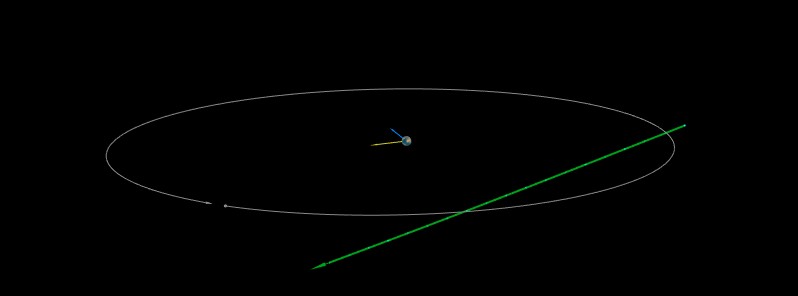
  • Asteroid 2021 LO2 to fly past Earth at 0.5 LD

    A newly-discovered asteroid designated 2021 LO2 will fly past Earth at a distance of 0.58 LD / 0.00148 AU (221 404 km / 137 574 miles) at 16:16 UTC on June 13, 2021. This the 64th known asteroid to flyby Earth within 1 lunar distance since the start of the year and…
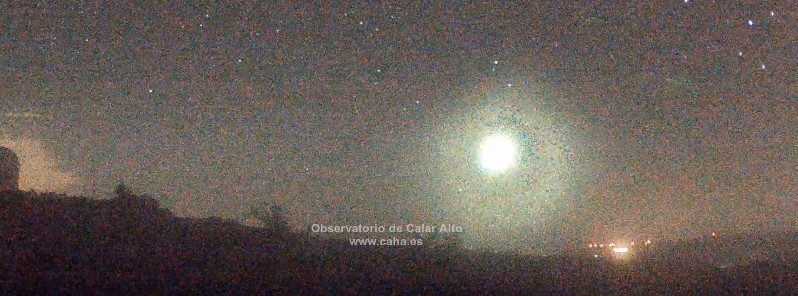
  • Very bright fireball over Almeria, Spain

    A very bright fireball was recorded by Calar Alto Observatory (CAHA) in Almeria, Spain at 23:29 UTC on June 5, 2021. Unfortunately, most of Spain was completely covered by clouds and no other station of the other observatories could detect this object, CAHA said in…

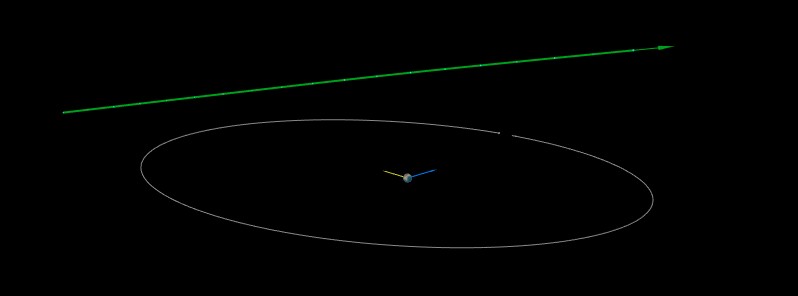
  • Asteroid 2021 LX1 flew past Earth at 0.42 LD

    A newly-discovered asteroid designated 2021 LX1 flew past Earth at a distance of 0.42 LD / 0.00107 AU (160 069 km / 99 462 miles) at 04:31 UTC on June 4, 2021. This is the 63rd known asteroid to fly past Earth within 1 lunar distance since the start of the year and…
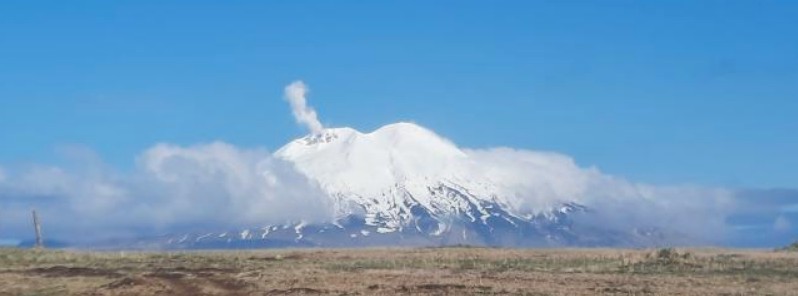
  • Earthquake swarm under Mount Hood volcano, Oregon

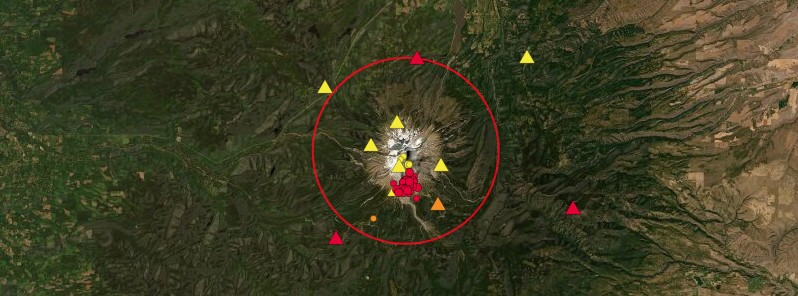
    The Cascades Volcano Observatory (CVO) has detected an earthquake swarm in the Mount Hood area, Oregon on June 5, 2021. The swarm continued into June 6 when the activity started to quiet down. The last known eruption of this volcano took place in 1865 and 1866 (VEI…

  • Intense earthquake swarm near Salton Sea, Southern California

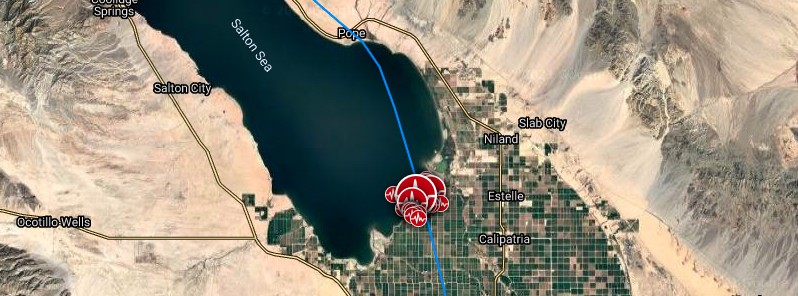
    An intense earthquake swarm is taking place near the Salton Sea in Southern California, U.S. on June 5, 2021, starting with M2.2 at 08:05 UTC (01:05 LT). The USGS has registered 285 earthquakes by 21:24 UTC. The swarm is still in progress and new earthquakes are…

  • NLC seasons getting longer, clouds moving farther south

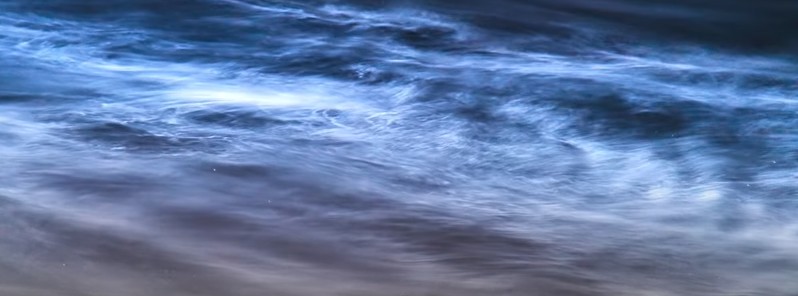
    New data provided by NASA's AIM (Aeronomy of Ice in the Mesosphere) satellite mission shows that the first noctilucent clouds (NLCs) of summer have been trending earlier since 2007, when the spacecraft was launched. Each year, NLCs first appear in the Arctic and…