Strong and shallow M6.7 earthquake hits northern Mid-Atlantic Ridge
A strong and shallow earthquake registered by the USGS and EMSC as M6.7 struck the northern Mid-Atlantic Ridge at 12:16 UTC on March 21, 2026, at a depth of 10 km (6.2 miles).


I'm a dedicated researcher, journalist, and editor at The Watchers. With over 20 years of experience in the media industry, I specialize in hard science news, focusing on extreme weather, seismic and volcanic activity, space weather, and astronomy, including near-Earth objects and planetary defense strategies. You can reach me at teo /at/ watchers.news.
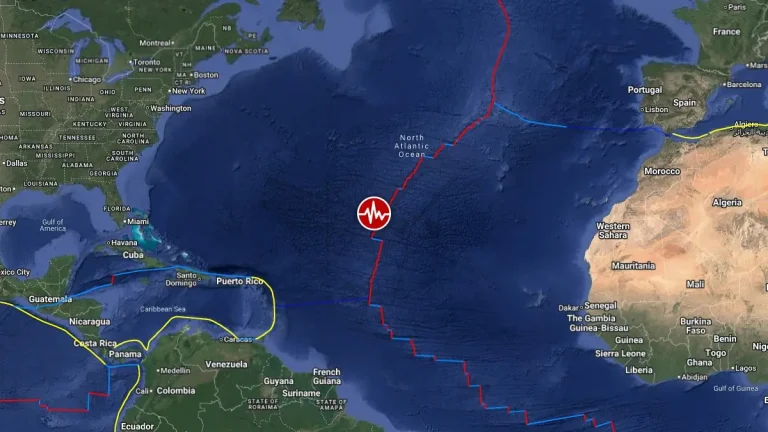
A strong and shallow earthquake registered by the USGS and EMSC as M6.7 struck the northern Mid-Atlantic Ridge at 12:16 UTC on March 21, 2026, at a depth of 10 km (6.2 miles).
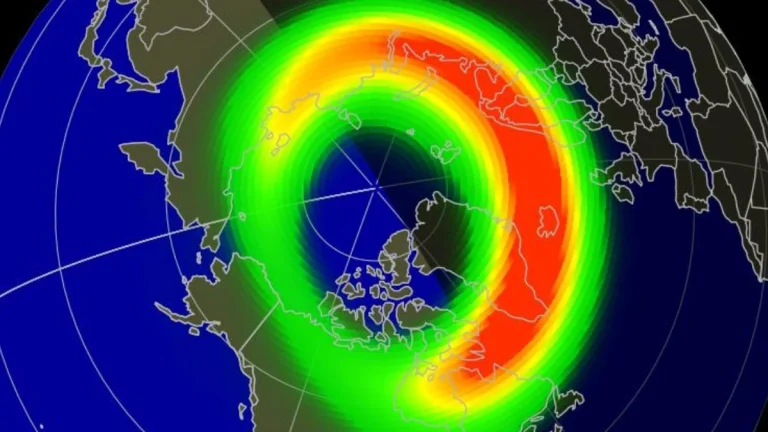
A G3 – Strong geomagnetic storm developed late on March 20 into early March 21, 2026, after a coronal mass ejection that left the Sun on March 18 impacted Earth. The storm intensified after at least two CME arrivals, with solar wind speeds reaching 567 km/s and the interplanetary magnetic field turning strongly southward to −28 nT.
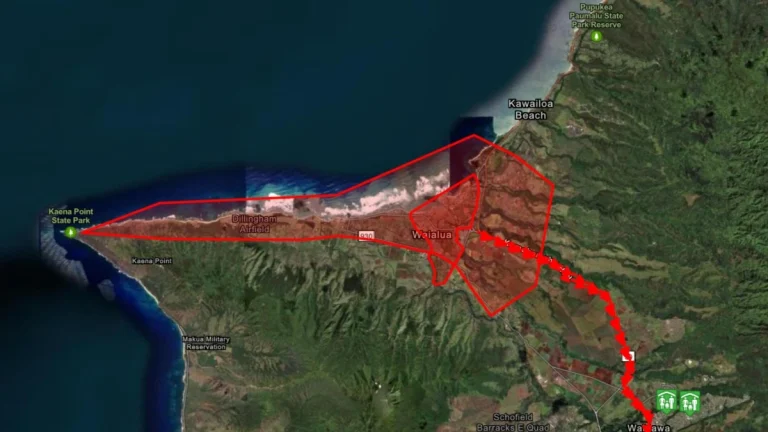
Wahiawa Dam on Oʻahu, Hawaii, was placed under an imminent failure risk alert on March 20, 2026, prompting emergency evacuations in downstream communities, including Haleiwa and Waialua.

New activity/unrest was reported for 7 volcanoes from March 12 to 18, 2026. During the same period, ongoing activity was reported for 20 volcanoes.
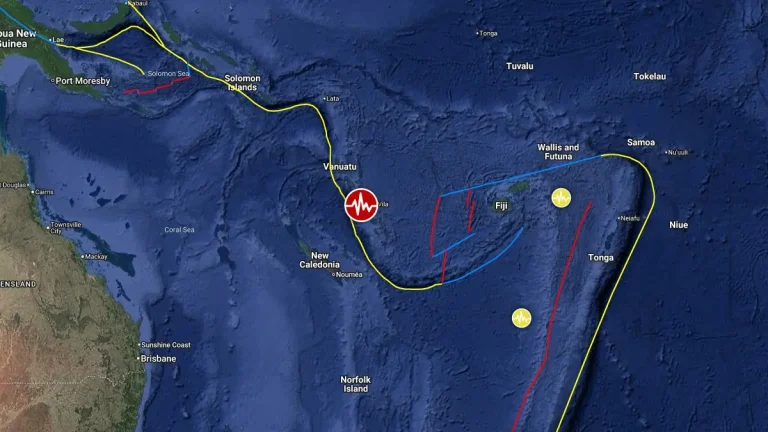
A strong and shallow earthquake registered by the USGS as M6.1 hit 100 km (62.5 miles) WNW of Isangel, Vanuatu, at 02:30 UTC on March 20, 2026. The earthquake occurred at a depth of 10 km (6.2 miles). This is the second M6+ earthquake of the day, following M6.6 in the South Shetland Islands at 00:22 UTC.
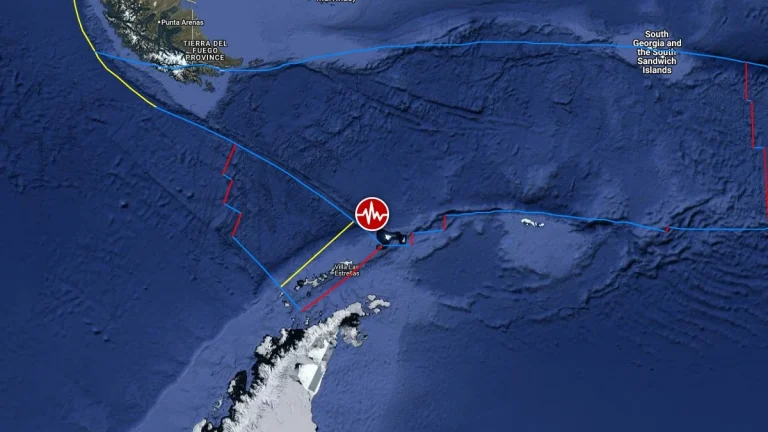
A strong and shallow earthquake registered by the USGS as M6.6 hit the South Shetland Islands at 00:22 UTC on March 20, 2026. The earthquake occurred at a depth of 4.9 km (3 miles). EMSC is reporting the same magnitude and depth.
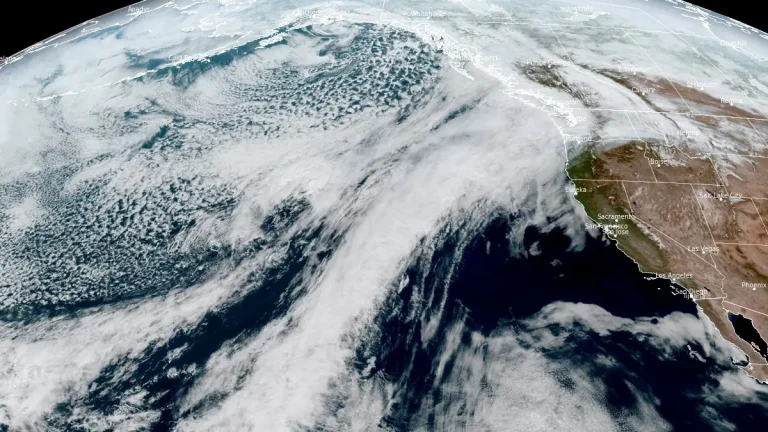
A multi-day atmospheric river event affecting western Washington, United States, since March 15, 2026, is elevating flood potential as cumulative rainfall and snowmelt impact the regional river basins. Prolonged precipitation and high snow levels are leading to rising rivers, with flood risk expected to persist through early March 21.

An Earth-directed coronal mass ejection (CME) produced by an M2.7 solar flare on March 16, 2026, is expected to impact Earth on March 19, producing G2 – Moderate geomagnetic storming and aurora at mid-latitudes.

A landslide struck above residential areas in Crosia, Province of Cosenza, Italy, on March 17, 2026, as severe weather caused the Trionto and Fiumarella rivers to overflow, triggering flooding and emergency evacuations.
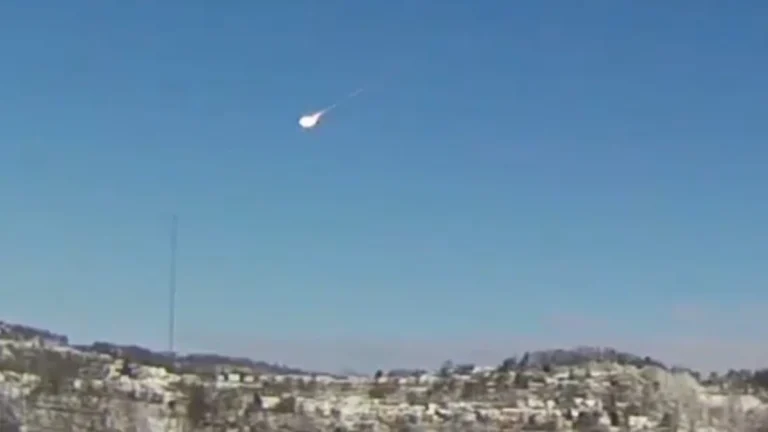
A bright daylight meteor accompanied by a loud boom was observed over parts of Pennsylvania and Ohio at around 13:01 UTC (09:01 local time) on March 17, 2026. The event was detected by satellite-based lightning mapping systems and reported widely by residents. No confirmed impacts have been reported.
