• Severe ‘black blizzard’ in Moscow: Snowfall hits 35% of monthly average overnight, Russia

    The Russian capital of Moscow is facing an extraordinary ‘black blizzard’, a weather pattern typically seen in the Far North. This phenomenon, which started overnight, has resulted in heavy snowfall and reduced visibility to approximately 100 m (328 feet), with the situation expected to persist until Tuesday, November 28, 2023.

  • NJIT astronomers reveal unique aurora-like radio emission above sunspot

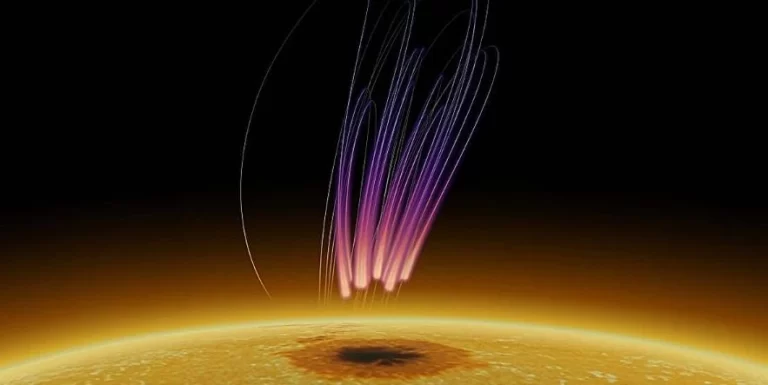
    In a groundbreaking study published in Nature Astronomy, researchers from the New Jersey Institute of Technology’s Center for Solar-Terrestrial Research (NJIT-CSTR) have documented an extraordinary aurora-like radio emission occurring approximately 40 000 km (25 000 miles) above a sunspot. This novel radio emission, which shows characteristics akin to the auroral emissions observed around planets like Earth, Jupiter, and Saturn, presents an unprecedented understanding of solar radio bursts and their potential link to similar phenomena in stars with large starspots.

  • Guaíba River overflows in Porto Alegre’s center in third-highest flood since 1941, Brazil

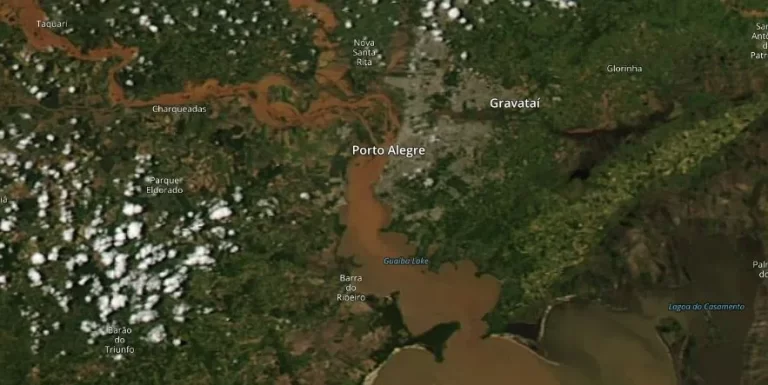
    The Guaíba River in Porto Alegre, Brazil, reached a historic water level of 3.01 meters on the morning of November 20, 2023. This marked the third-highest flood level since 1941, following heavy rainfall across its contributing basins. The rising waters led to the river overflowing its banks at the Central Wharf, a rare occurrence in the city’s recent history.

  • New island emerges near Iwo Jima in Ogasawara chain, Japan

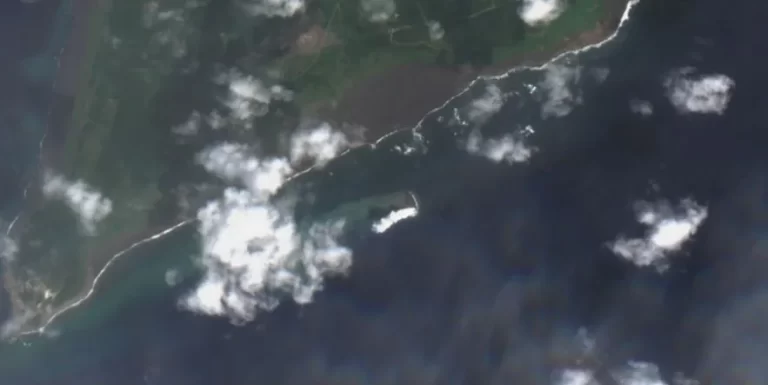
    On November 1, 2023, military personnel located on Iwoto Island witnessed the birth of a new island following intense volcanic activity. The eruption, which occurred 1 km (0.62 miles) off the island’s southern coast, was preceded by frequent volcanic tremors since October 21.

  • Chemical reactions triggered by Hunga Tonga eruption led to severe stratospheric ozone depletion

    On January 15, 2022, the Hunga Tonga–Hunga Ha’apai underwater volcanic eruption led to a sudden and significant loss of stratospheric ozone. This event occurred over the tropical southwestern Pacific and Indian Ocean region. Researchers found that the eruption injected an unprecedented amount of water vapor into the stratosphere, causing chemical reactions that resulted in rapid ozone depletion.

  • Corrosive ash from massive 2022 Hunga Tonga-Hunga Ha’apai eruption causes power crisis in Tonga

    Corrosive ash fallout from the massive eruption of Hunga Tonga-Hunga Ha’apai volcano last year has triggered a series of power outages on Tonga’s main island, Tongatapu, beginning September 2022. Tonga Power, the island’s electricity provider, has termed the situation a “crisis” due to the unprecedented damage to the High Voltage Aerial Bundled Cabling across the island.