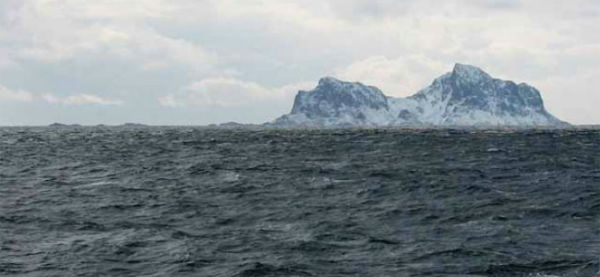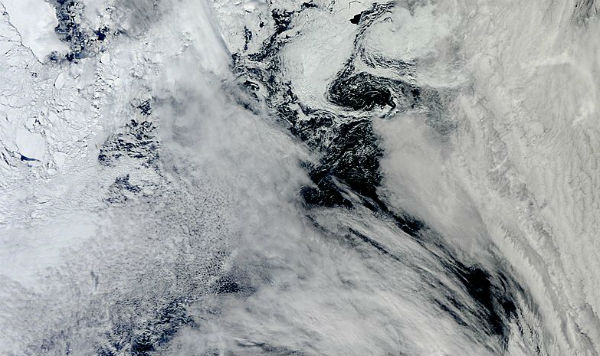
• Major study finds ice sheet loss at both poles increasing

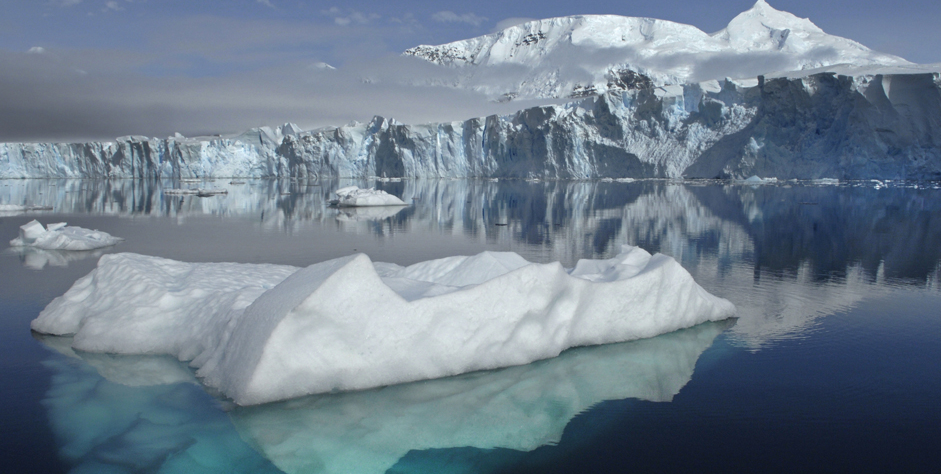
    In a landmark study published on Thursday, November 29, 2012 in the journal Science, 47 researchers from 26 laboratories report the combined rate of melting for the ice sheets covering Greenland and Antarctica has increased during the last 20 years. Together, these ice

  • Messenger finds new evidence for ice on Mercury

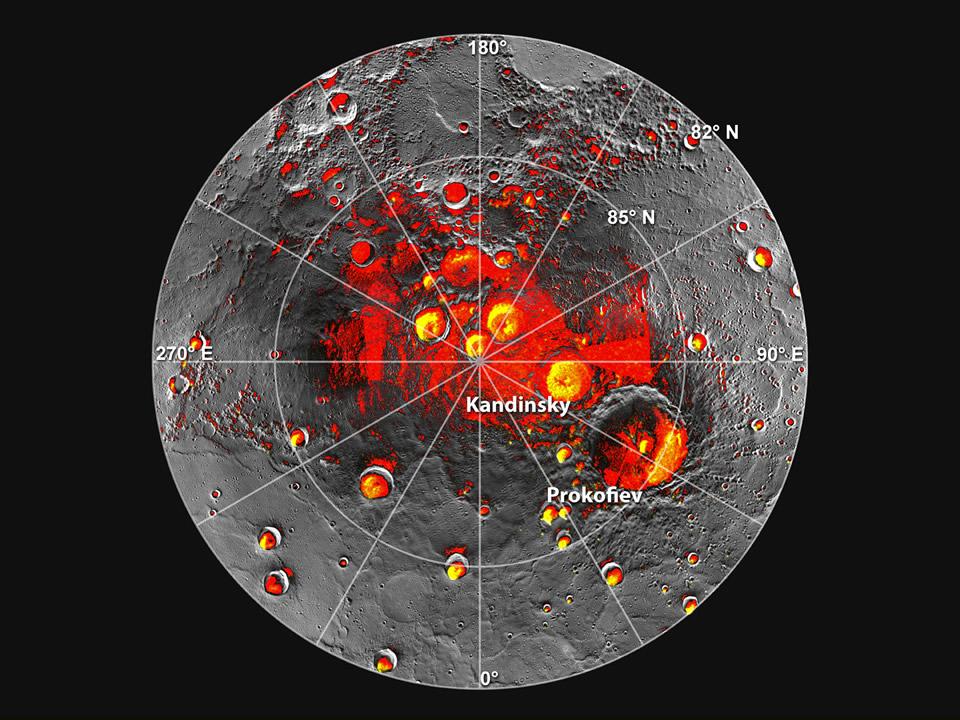
    New data from NASA’s MESSENGER spacecraft suggest that there’s plenty of ice on Mercury’s polar regions. Given its proximity to the Sun, Mercury would seem to be an unlikely place to find ice. But the tilt of Mercury’s rotational axis is almost zero — less than one

  • State of global temperatures in 2012

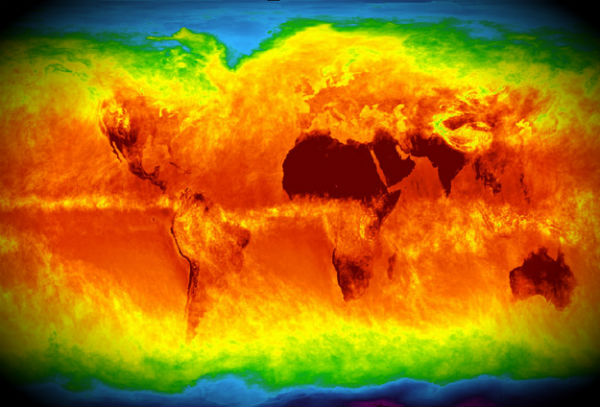
    According to the World Meteorological Organization, the first ten months of 2012 indicate that it will most likely be the ninth warmest on record (since records began in 1850), despite the cooling influence of La Niña early in the year. The presence of a La Niña

  • X-Class: A Guide to Solar Flares

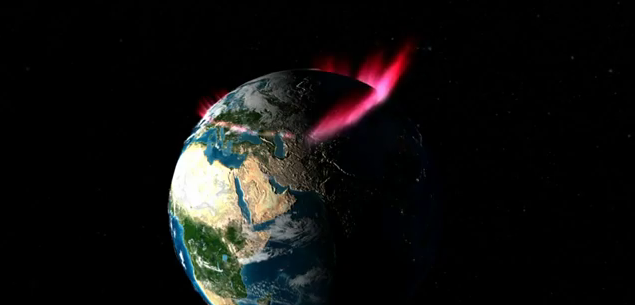
    Solar flares happen when the powerful magnetic fields in and around the Sun reconnect. They're usually associated with active regions, often seen as sunspots, where the magnetic fields are strongest. Flares are classified according to their strength. The…

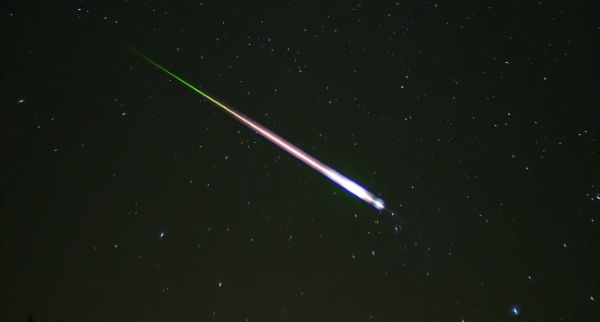
  • Leonid meteor shower peak tonight

    This year’s annual Leonid meteor shower is expected to peak tonight. Although Leonids can sometimes be seen at rate of more than thousands meteors per hour, a stream of debris from Comet 55P/Tempel-Tuttle which orbits the sun every 33 years, is forecasted to display

  • Coffee Arabica could be extinct by the end of the century

    Arabica coffee production is strongly (negative) influenced by accelerated climate change, and in most cases the outcome will be negative for the coffee industry.Wild Arabica coffee or Coffee Arabica could extinct due climate changes by the end of this century