• Wettest March in 100 years in north and central India

    According to the Indian meteorological department (IMO), March 2015 has been the "wettest" March for nothern and central parts of the country in the past 100 years.Excessive rains made extensive damage to field and horticulture crops as well as vegetbles in va
  • Global lightning activity

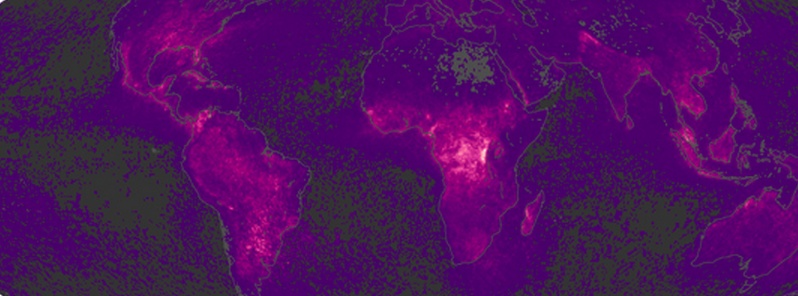
    Lightning occurs more often over land than over the oceans and it seems to happen more often closer to the equator, according to satellite observations.The map below shows the average yearly counts of lightning flashes per square kilometer from 1995 to 2013. Areas with

  • Primordial plasma: Hot gas or streams of charged particles?

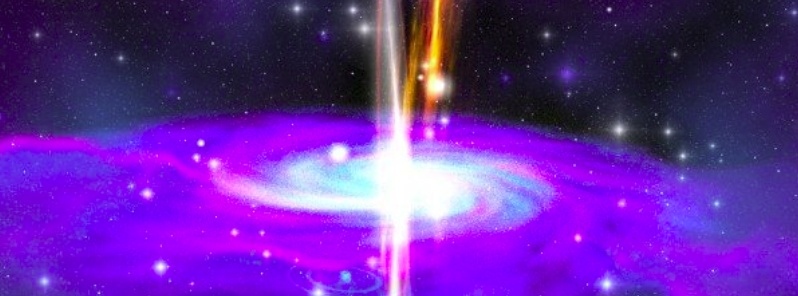
    Complex rings, knots, and twisted streamers are often ejected from stars (and other celestial objects). The overall shape of so-called “planetary nebula” sometimes reveal gigantic, bifurcated jets emerging from the central star, indicating the beginnings of

  • Unexplained warm layer discovered in Venus’ atmosphere

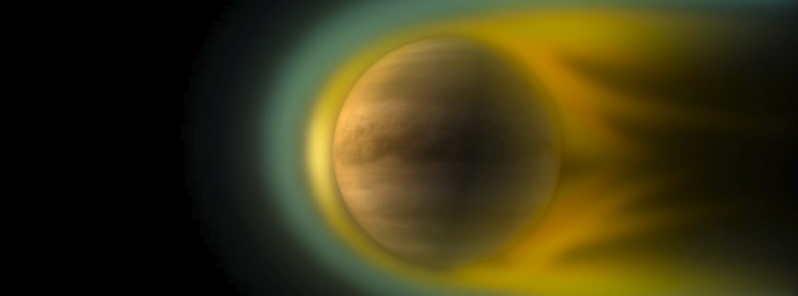
    A group of Russian, European and American scientists have found a warm layer in Venus’ atmosphere, the nature of which is still unknown. The researchers made the discovery when compiling a temperature map of the upper atmosphere on the planet’s night side ba

  • Total solar eclipse of March 20, 2015 as seen from Svalbard, Arctic Ocean

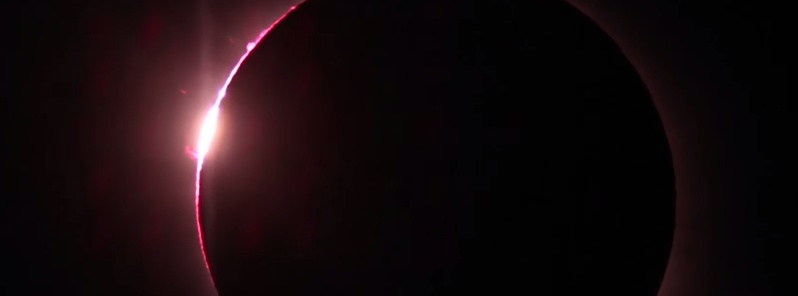
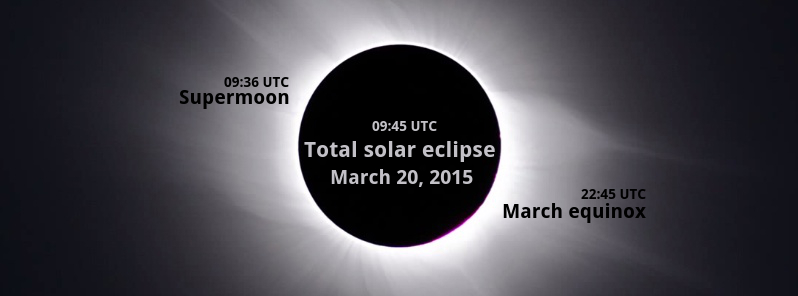
    This video of March 20, 2015 total solar eclipse was made by eclipse-chaser Nick James who was in Longyearbyen, Svalbard, for the event."The weather was perfect and the corona was amazing in a very transparent deep blue sky," James said."There were intere

  • It is a Magnetic Universe Genius

    Part one: Cosmic Accelerators Current physics cannot explain the intense galactic magnetic fields in spiral galaxies and also the source of high energy particles, both charged and neutral particles (Cosmic Rays and Neutrinos) because of the major defects in the fundamen

  • Rosetta makes first detection of molecular nitrogen at a comet

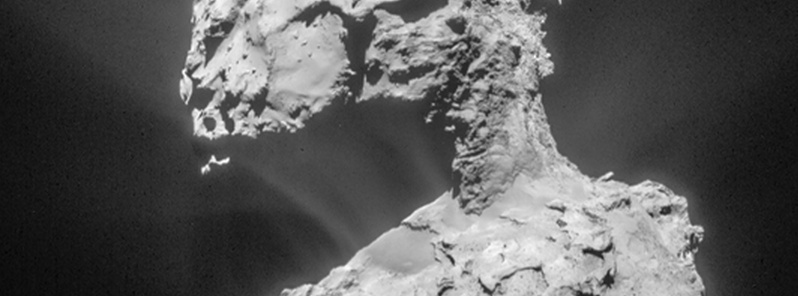
    ESA's Rosetta spacecraft has made the first measurement of molecular nitrogen at a comet, providing clues about the temperature environment in which Comet 67P/Churyumov-Gerasimenko formed, the agency reports.The in situ detection of molecular nitrogen has long been

  • Saturn’s moon Enceladus exhibits signs of hydrothermal activity

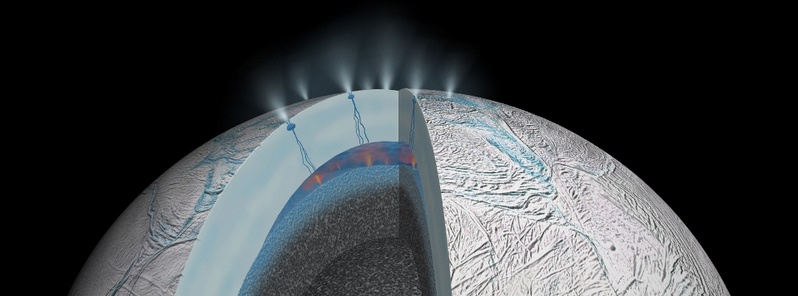
    Data obtained by NASA's Cassini spacecraft provided first clear evidence that Saturn's moon Enceladus exhibits signs of present-day hydrothermal activity which may resemble that seen in the deep oceans on Earth. The implications of such activity on a world