• Below 10-year average number of tornadoes reported to date, US

    A trend of well-below the 10-year average number of estimated tornadoes, observed since 2012, continues so far, according to the US Storm Prediction Center (SPC) and local storm reports from the National Weather Service (NWS). 770 tornadoes were reported up to July…
  • Noctilucent clouds storm from July 12 – 14 over Denmark

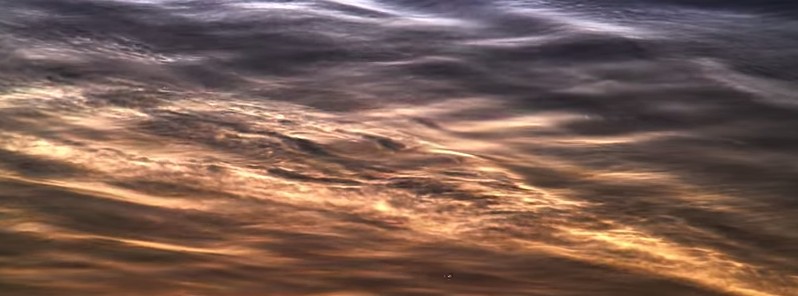
    You are not dreaming, you can see waves, shock fronts or waterfalls in the night sky! On the nights of the 12-13th and 13-14th of July 2016, Denmark has witnessed two very powerful and bright noctilucent cloud shows in a row. The brightest and broadest I can…

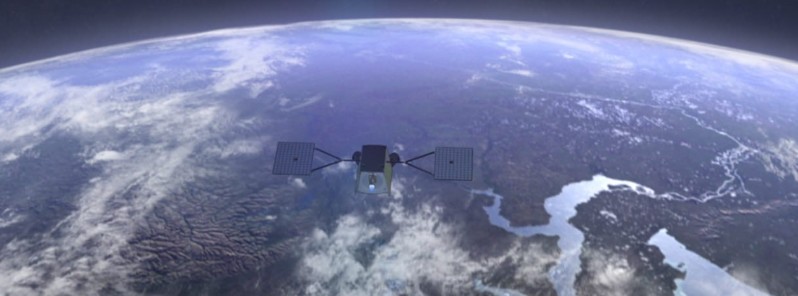
  • OneWeb’s 700-satellite constellation is right on schedule

    There is nothing better than finding a free open Wi-Fi signal when you’re wandering around the world, especially if you’re using your navigation app or something else that eats up a lot of your phone’s data plan. If that sounds good, imagine this…

  • Bright Alpha Capricornid fireball recorded over Northern Africa

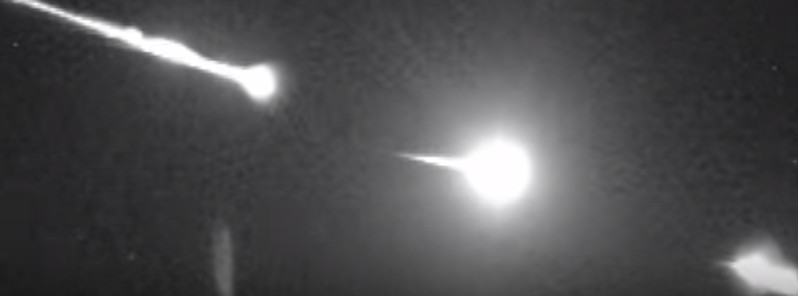
    A very bright fireball was observed over Northern Africa at 21:05 UTC on July 8, 2016, and recorded by Spain's SMART Project meteor-observing network. The data collected by SMART network have been analyzed by its principal investigator, Professor José…

  • Massive landslide detected in Glacier Bay National Park, Alaska

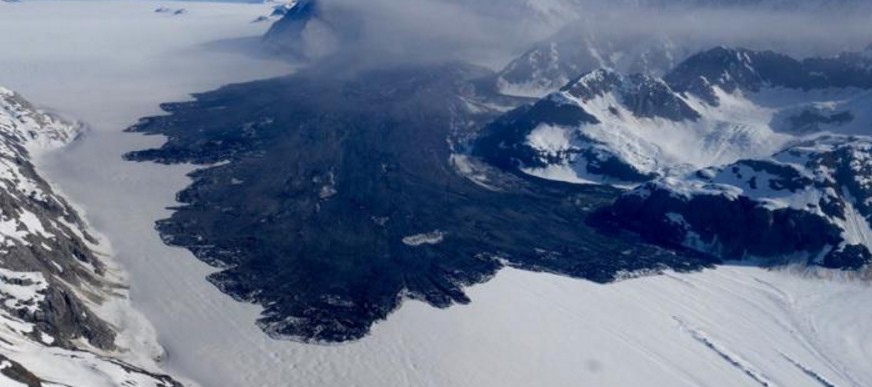
    A massive landslide hit Alaska's Glacier Bay National Park on June 28, 2016, when a 1.2-km-high (4 000 feet) mountain collapsed. The event spread debris for kilometers across the glacier below. Just 16 km (10 miles) away, the glacier ends in Johns Hopkins Inlet,…

  • Juno enters orbit around Jupiter

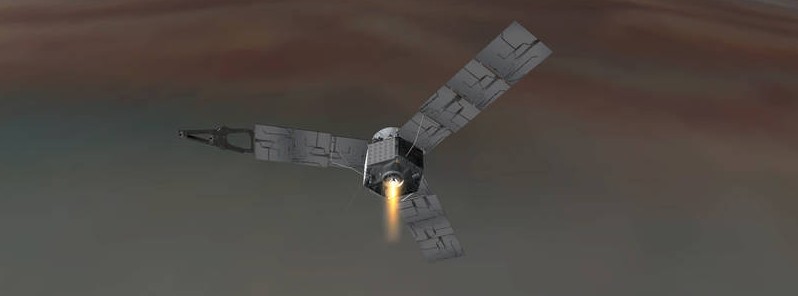
    NASA's Juno spacecraft has successfully entered Jupiter's orbit during a 35-minute engine burn on July 5, 2016 (UTC). The confirmation that the burn had completed was received on Earth at 03:53 UTC (Earth-receive time, currently 48 minutes after the actual…

  • Night sky guide for July 2016

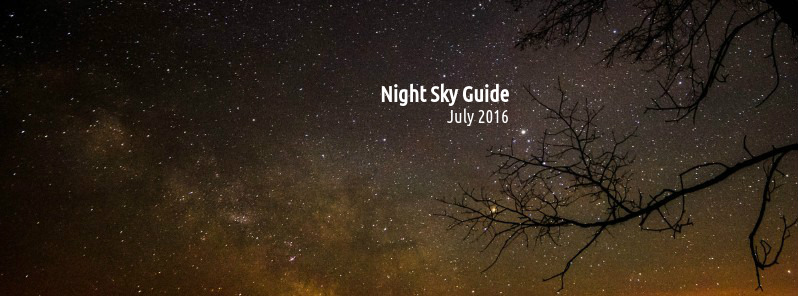
    July brings two meteor showers under relatively dark skies. Alpha Capricornids will reach their peak on July 26 with the maximum rate of around 5 per hour. A few days later, on July 29, the Delta Aquarid meteor shower will peak with up to 20 meteors per hour. The…

  • Antarctic ozone hole shows signs of healing

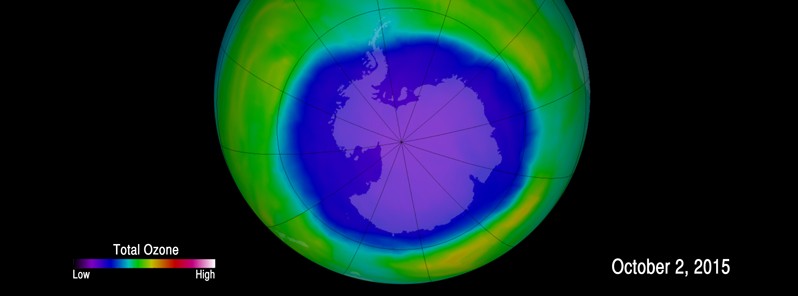
    An international team of scientists has observed first clear signs that the hole in the Antarctic ozone layer is beginning to close. Led by Professor Susan Solomon of the Massachusetts Institute of Technology, the team found that the September ozone hole had shrunk…