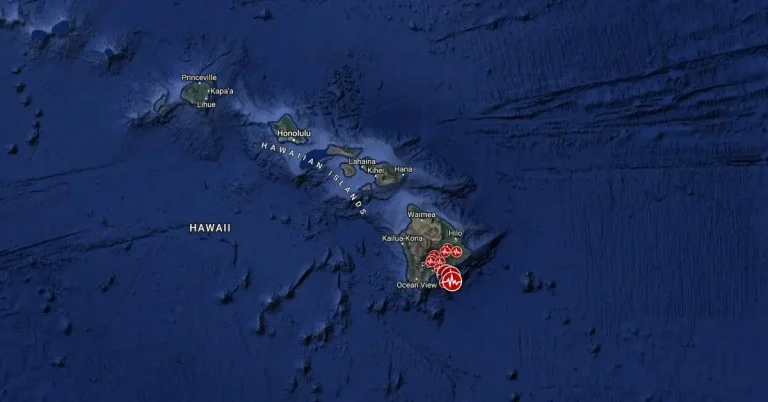
• Earthquake swarm at Kamaʻehuakanaloa (Lōʻihi) volcano, Hawaii

    A period of increased seismic activity started at Kamaʻehuakanaloa volcano (previously known as Lōʻihi) near Hawaii on November 1, 2024, with over 70 recorded earthquakes and two reaching M4.3. Seismicity remains above normal levels today, indicating magma movement beneath the volcano.

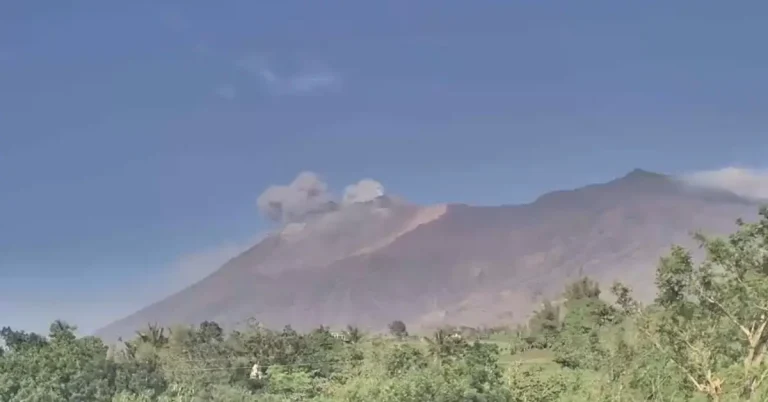
  • Continuous degassing, three ashing events observed at Kanlaon volcano, Philippines

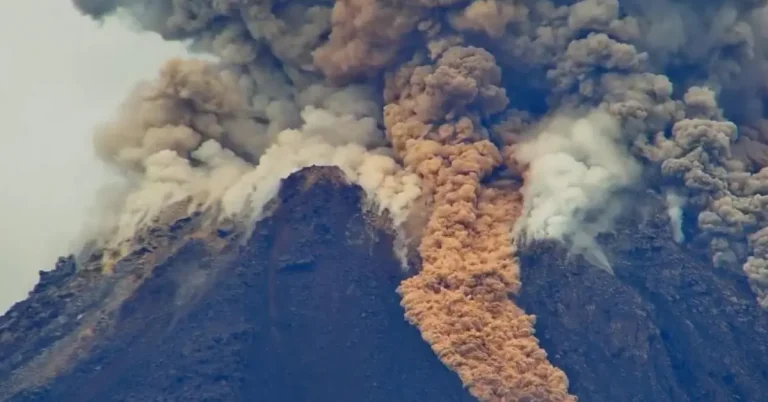
    The Kanlaon Volcano on Negros Island, Philippines, produced three minor ash plumes from its summit crater on November 2, 2024, during brief eruptions lasting between four and twelve minutes each. The plumes rose to approximately 400 m (1 310 feet) above the crater and drifted southwest. No seismic or infrasonic signals accompanied the events, indicating low-energy emissions.

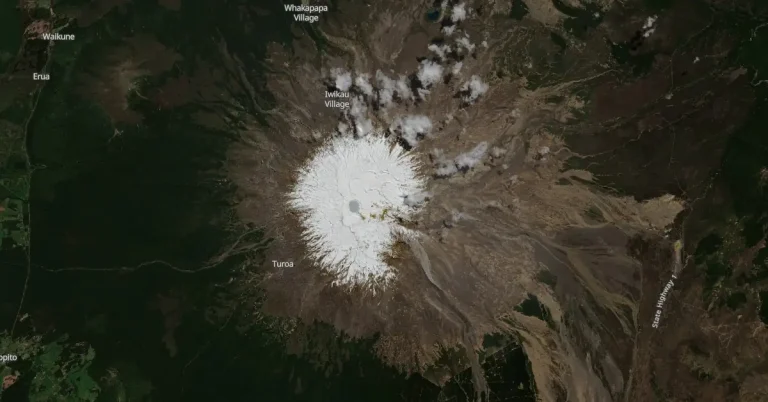
  • Ruapehu’s Crater Lake temperature slowly increases, New Zealand

    Te Wai ā-moe, the Crater Lake of Ruapehu volcano in New Zealand, is experiencing a mild heating trend, with temperatures rising from 8 °C (46.4 °F) to approximately 10 – 11 °C (50 – 51.8 °F). The recent changes have been noted in late October 2024, following several months of cooling that began in February of the same year.

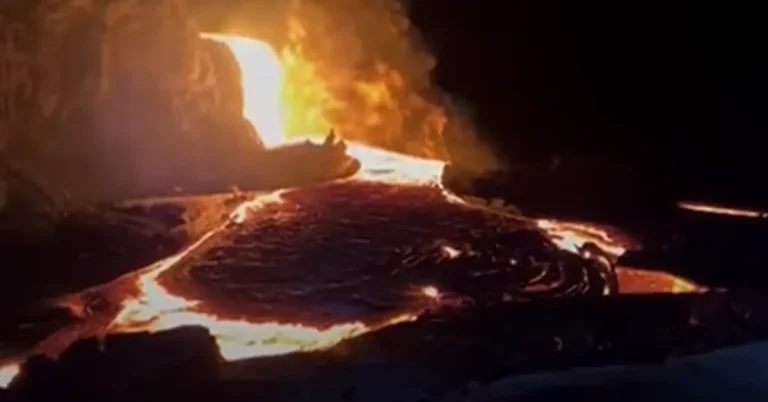
  • Intense explosions at Lewotobi Laki-laki volcano, Indonesia

    Intense explosions at the Lewotobi Laki-laki volcano in Flores, Indonesia, on October 31, 2024, have generated ash plumes up to 2.5 km (1.5 miles) above sea level, impacting nearby communities. This series of eruptions began in late October 2024, with regular blasts occurring 3 to 4 times daily. The activity has continued since June 13, when the Alert Level was raised to Level 3 (Siaga).