The Weekly Volcanic Activity Report: February 8 – 14, 2023
New activity/unrest was reported for 5 volcanoes from February 8 to 14, 2023. During the same period, ongoing activity was reported for 18 volcanoes.


New activity/unrest was reported for 5 volcanoes from February 8 to 14, 2023. During the same period, ongoing activity was reported for 18 volcanoes.
New activity/unrest was reported for 5 volcanoes from February 1 to 7, 2023. During the same period, ongoing activity was reported for 17 volcanoes.
New activity/unrest was reported for 7 volcanoes from January 25 – 31, 2023. During the same period, ongoing activity was reported for 18 volcanoes.
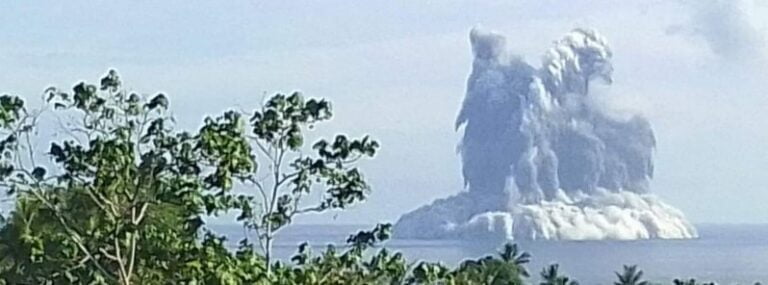
A submarine volcano located near the island of Epi in Vanuatu started erupting at 18:30 UTC on January 31, 2023, prompting authorities to raise the Volcano Alert Level to 1 and establish a 10 km (6.2 miles) danger zone. This marks the first eruption of the volcano since 2004 (VEI 2).
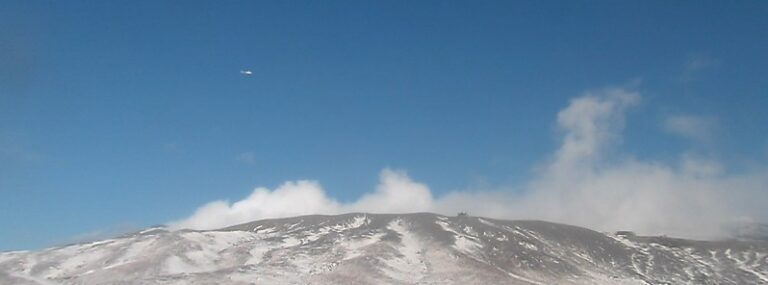
A seismic swarm started under the Asosan volcano in Japan on January 30, 2023, prompting the Japan Meteorological Agency (JMA) to raise the Volcanic Alert Level from 1 to 2.
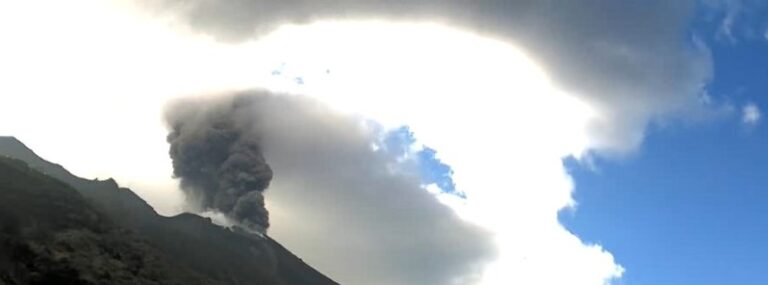
An explosive sequence at the Stromboli volcano in Italy on January 30, 2023, caused the launch of coarse pyroclastic material at several hundred meters in height and produced an ash cloud that quickly dispersed southward.
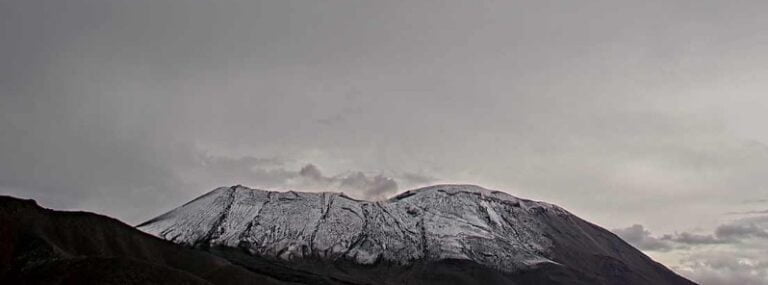
Seismic activity around Chile’s Lascar volcano has increased over the past 2 days, causing Sernageomin to raise its Alert Level to Orange. The security perimeter around the crater was expanded to 10 km (6.2 miles), with the community urged to avoid unnecessary exposure to potential dangers. The seismicity is primarily linked to fluid dynamics within the volcanic system, which could be a result of the destabilization of a remnant magmatic body. This activity could lead to explosive events, potentially causing ashfall in the area.
New activity/unrest was reported for 4 volcanoes from January 18 to 24, 2023. During the same period, ongoing activity was reported for 21 volcanoes.
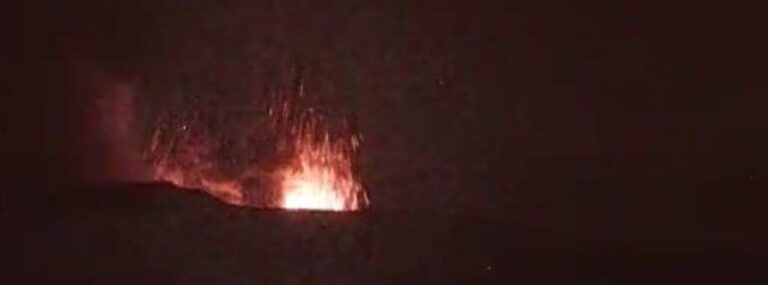
A series of eruptions were registered at Anak Krakatau, a volcanic island located in the Sunda Strait between the islands of Java and Sumatra in Indonesia, on January 22 and 23, 2023. The first took place at 17:41, and was followed by at least 8 eruptions by 02:38 UTC on January 23.

The extrusive eruption at Sheveluch volcano in Russia continues, with the growth of the lava dome and strong fumarole activity observed. Incandescence of the lava dome, explosions, and hot avalanches have also been reported in conjunction with this process.
