• Record highs in Victoria follow coldest January 12 in 55 years, Canada

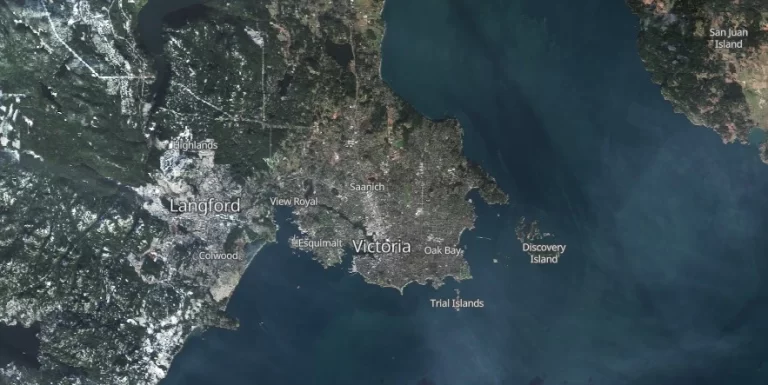
    Victoria, the capital of the Canadian province of British Columbia, recorded its warmest January 29 ever with 15.3 °C (59.5 °F) at the Gonzales weather station, surpassing the previous record of 13.3 °C (55.9 °F) set in 1931. This record-breaking warmth follows closely on the heels of the coldest January 12 in 55 years.
  • The highest temperature ever recorded in Europe

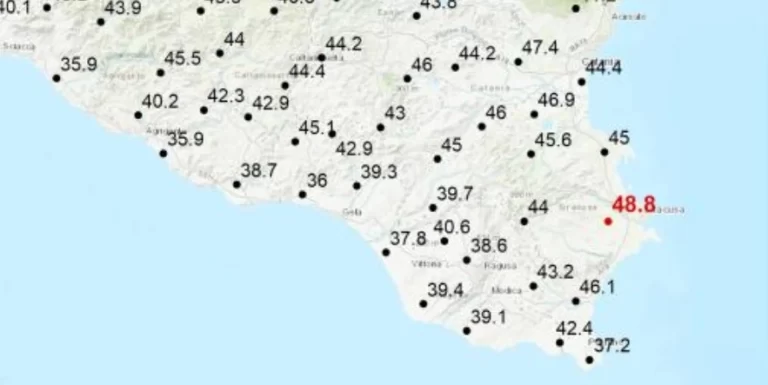
    The World Meteorological Organization confirmed a temperature of 48.8 °C (119.8 °F) in Syracuse, Sicily, on August 11, 2021, as the highest ever recorded in Europe, surpassing the previous record set in 1977.

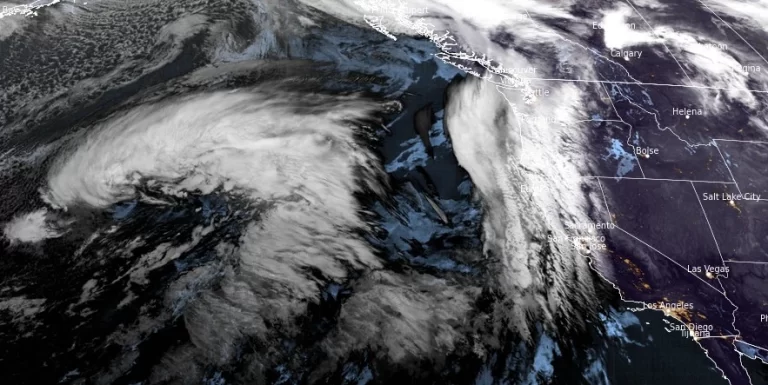
  • Strong atmospheric river to impact the US West Coast

    Starting Tuesday night, January 30, 2024, an atmospheric river will affect southern Oregon and northern California, bringing widespread rain, heavy mountain snow, and strong winds, with impacts expanding to central California and continuing through February 2.

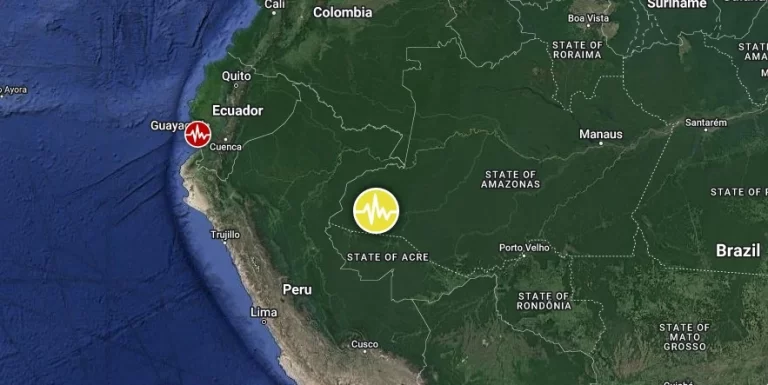
  • Deep M6.5 earthquake hits Acre, Brazil

    A strong and deep earthquake registered by the USGS as M6.5 hit Acre, Brazil at 09:38 UTC on January 28, 2024. The agency is reporting a depth of 609 km (378 miles). EMSC is reporting the same magnitude and depth.

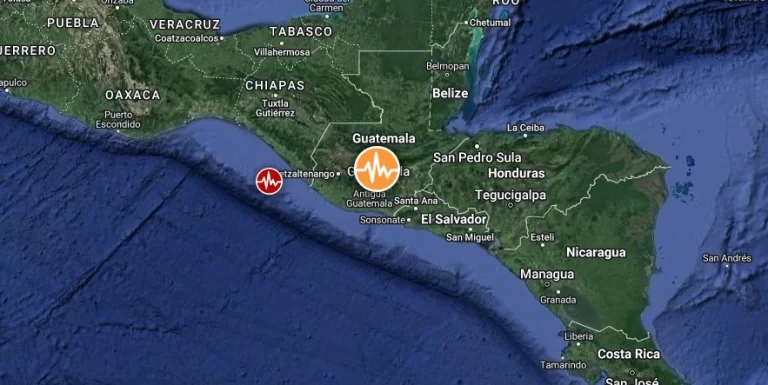
  • M6.1 earthquake hits Guatemala at intermediate depth

    A strong earthquake registered by the USGS as M6.1 hit Guatemala at 05:52 UTC on January 27, 2024, (23:52 local time, January 26). The agency is reporting a depth of 108 km (67 miles). EMSC is reporting the same magnitude and depth.

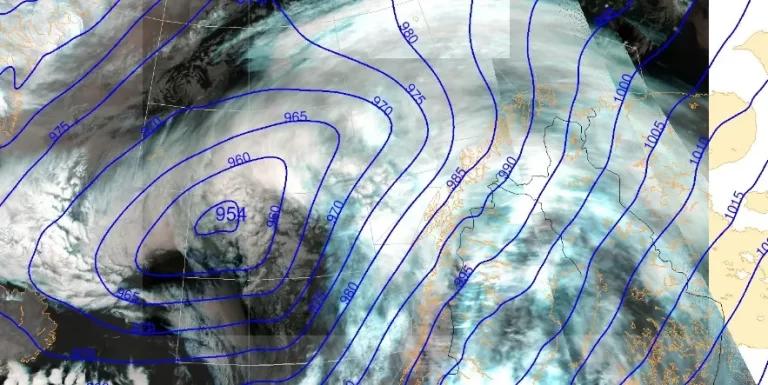
  • Magma accumulation accelerates land rise near Svartsengi, Iceland

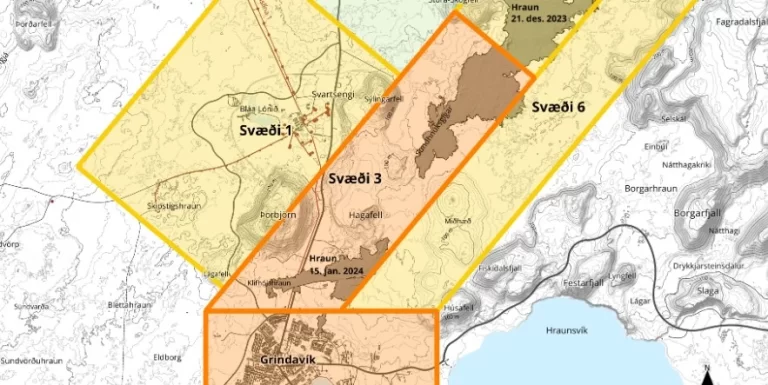
    In recent days, Svartsengi, Iceland, has experienced accelerated land rise, reaching up to 8 mm (0.3 inches) daily, attributed to magma accumulation under the area. While seismic activity remains mild, the risk assessment for Grindavík has been downgraded to orange, with a continued high risk for crack collapse.